
Developing a successful silver jewelry collection requires more than an attractive design. Material selection, manufacturing techniques, surface finishing, quality control, and production planning all influence the final product.
For jewelry brands, retailers, and independent designers, working with an experienced custom 925 sterling silver jewelry manufacturer makes it easier to transform creative ideas into commercially viable products.
At MCGA Jewelry, we provide OEM/ODM jewelry manufacturing solutions for international brands, supporting custom development across 316L stainless steel, brass, and 925 sterling silver. From design development and sampling to manufacturing, finishing, quality inspection, and packaging, our integrated production capabilities help customers build collections with consistent quality and flexible production options.
In this guide, we explore the key considerations for developing custom silver jewelry, helping brands make informed decisions before starting production.
1. Understanding 925 Sterling Silver for Custom Jewelry
Choosing the right material is one of the most important decisions when developing a jewelry collection.
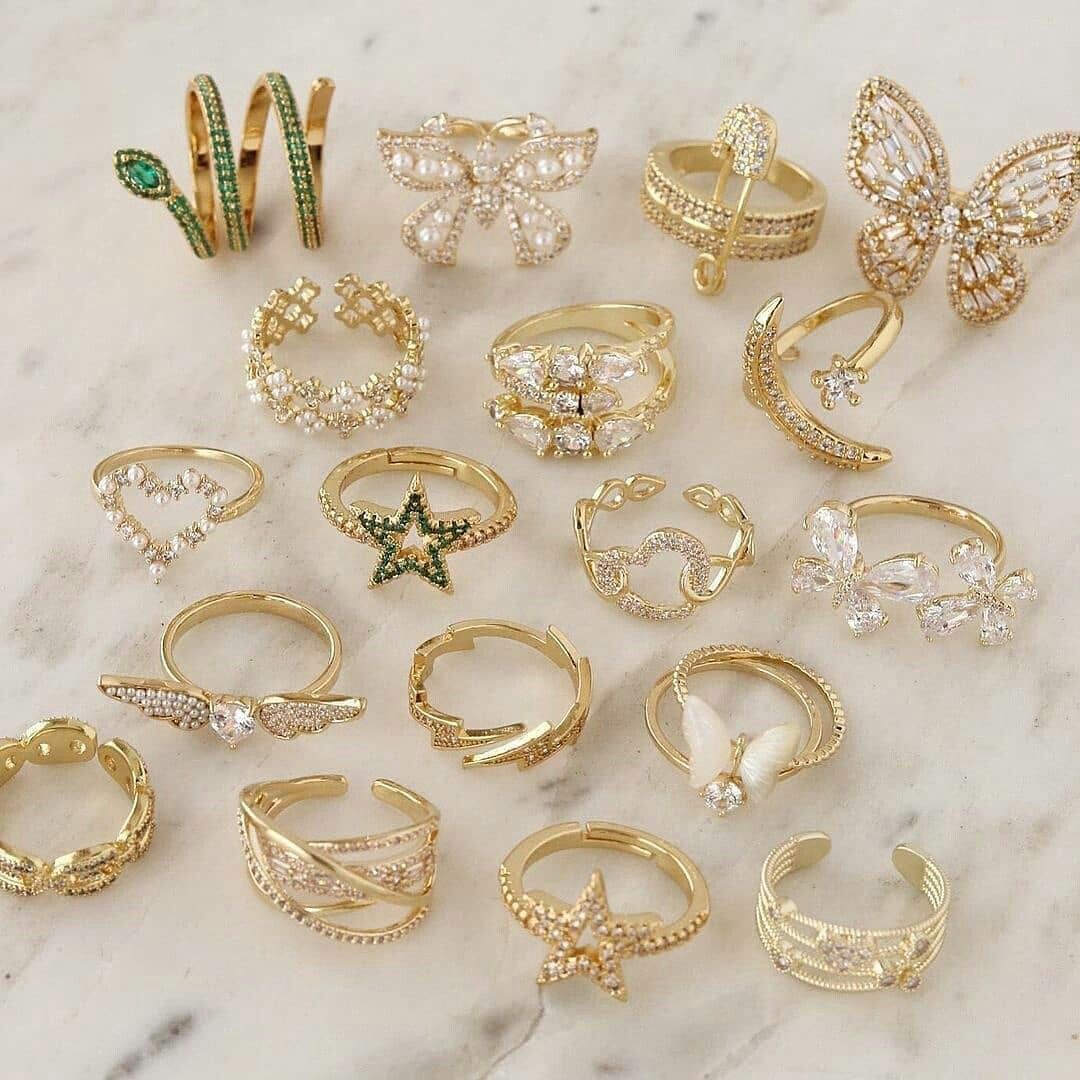
925 sterling silver is widely used in jewelry manufacturing because it combines the natural beauty of silver with improved strength and workability.
What Is 925 Sterling Silver?
925 sterling silver consists of:
92.5% Pure Silver: Provides the characteristic appearance and precious-metal value.
7.5% Alloy Metals: Primarily copper, which improves hardness, strength, and durability.
Pure silver is relatively soft for everyday jewelry applications. Adding copper helps improve its mechanical properties, making it more suitable for rings, earrings, pendants, bracelets, and other jewelry designs.
Why Choose 925 Sterling Silver?
Premium appearance and precious-metal positioning.
Suitable for intricate designs and fine details.
Excellent for engraving, polishing, and stone setting.
Can be finished with different plating colors.
Ideal for personalized jewelry and signature collections.
However, sterling silver can naturally tarnish when exposed to sulfur-containing substances, moisture, and certain environmental conditions. Proper finishing, storage, and maintenance are important for preserving its appearance.
2. Comparing Different Jewelry Materials
Not every jewelry collection needs to use the same material. The best choice depends on the brand's target market, retail price, design requirements, and expected product performance.
| Material | Composition | Main Advantages | Considerations | Best Applications |
|---|---|---|---|---|
| 925 Sterling Silver | 92.5% silver + 7.5% alloy metals | Precious-metal value, excellent detailing, premium appearance | Can tarnish and has higher material costs | Premium collections, personalized jewelry, fine-feel designs |
| 316L Stainless Steel | Iron-based alloy containing chromium, nickel, and molybdenum | Strong corrosion resistance, durable, suitable for daily-wear collections | Harder to process in certain complex designs | Everyday jewelry, men's jewelry, modern collections |
| Brass | Copper-zinc alloy | Cost-effective, versatile, suitable for various plating finishes | Performance depends on plating and surface treatment | Fashion jewelry, trend-driven collections |
| Gold-Filled | Base metal mechanically bonded with a gold layer | More substantial gold layer than basic flash plating | Different construction and manufacturing requirements | Selected premium gold-tone collections |
Which Material Is Right for Your Brand?
925 Sterling Silver: Best for brands focusing on precious-metal value, gifting, personalization, and premium positioning.
316L Stainless Steel: A practical option for durable everyday jewelry and collections requiring strong corrosion resistance.
Brass: Suitable for fashion-focused brands looking for greater design flexibility and more accessible price positioning.
At MCGA, we support multiple material options, allowing brands to develop different product categories within one manufacturing partnership.
3. The Custom Jewelry Manufacturing Process
Turning a jewelry concept into a finished product requires a structured manufacturing process. Every stage contributes to the final appearance, durability, and production consistency.
Step 1: Design Development and CAD Modeling
The process begins with the customer's sketch, reference image, technical drawing, or design concept.
Our development team works with customers to translate ideas into production-ready designs.
Important considerations include:
Product dimensions and overall proportions.
Metal thickness and structural strength.
Stone positions and setting requirements.
Logo placement and engraving details.
Clasp structures and assembly connections.
3D CAD modeling allows designs to be reviewed and adjusted before sampling.
Step 2: Mold Making and Prototyping
For suitable casting designs, mold development helps reproduce the approved shape consistently.
Depending on the product structure, different manufacturing methods may be used, including lost-wax casting and CNC machining.
Complex designs may combine multiple processes to achieve the desired details and structure.
Step 3: Sampling and Design Approval
A physical sample is produced to evaluate the design before bulk manufacturing.
The sample review should include:
Size, thickness, and weight.
Surface details and overall appearance.
Wearing comfort and product balance.
Stone setting and component connections.
Logo and engraving accuracy.
Any necessary adjustments should be confirmed before mass production.
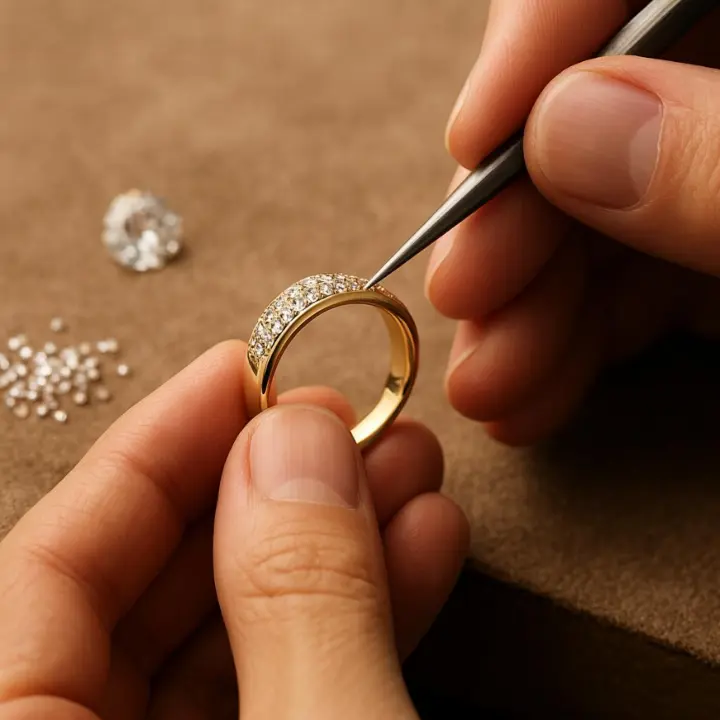
Step 4: Casting, Assembly, and Polishing
After sample approval, production moves into the manufacturing stage.
Depending on the design, operations may include:
Metal casting.
CNC machining.
Welding and soldering.
Component assembly.
Surface grinding and polishing.
These processes help transform raw metal components into finished jewelry structures.
Step 5: Stone Setting and Surface Finishing
For jewelry incorporating gemstones or cubic zirconia, the appropriate setting method is selected according to the design.
Common methods include:
Prong Setting
Bezel Setting
Pavé Setting
Channel Setting
Flush Setting
Adhesive Stone Setting, where suitable for the design
Surface finishing is equally important. Options include mirror polishing, brushed finishing, sandblasting, oxidation, and different plating colors.
Step 6: Quality Inspection and Packaging
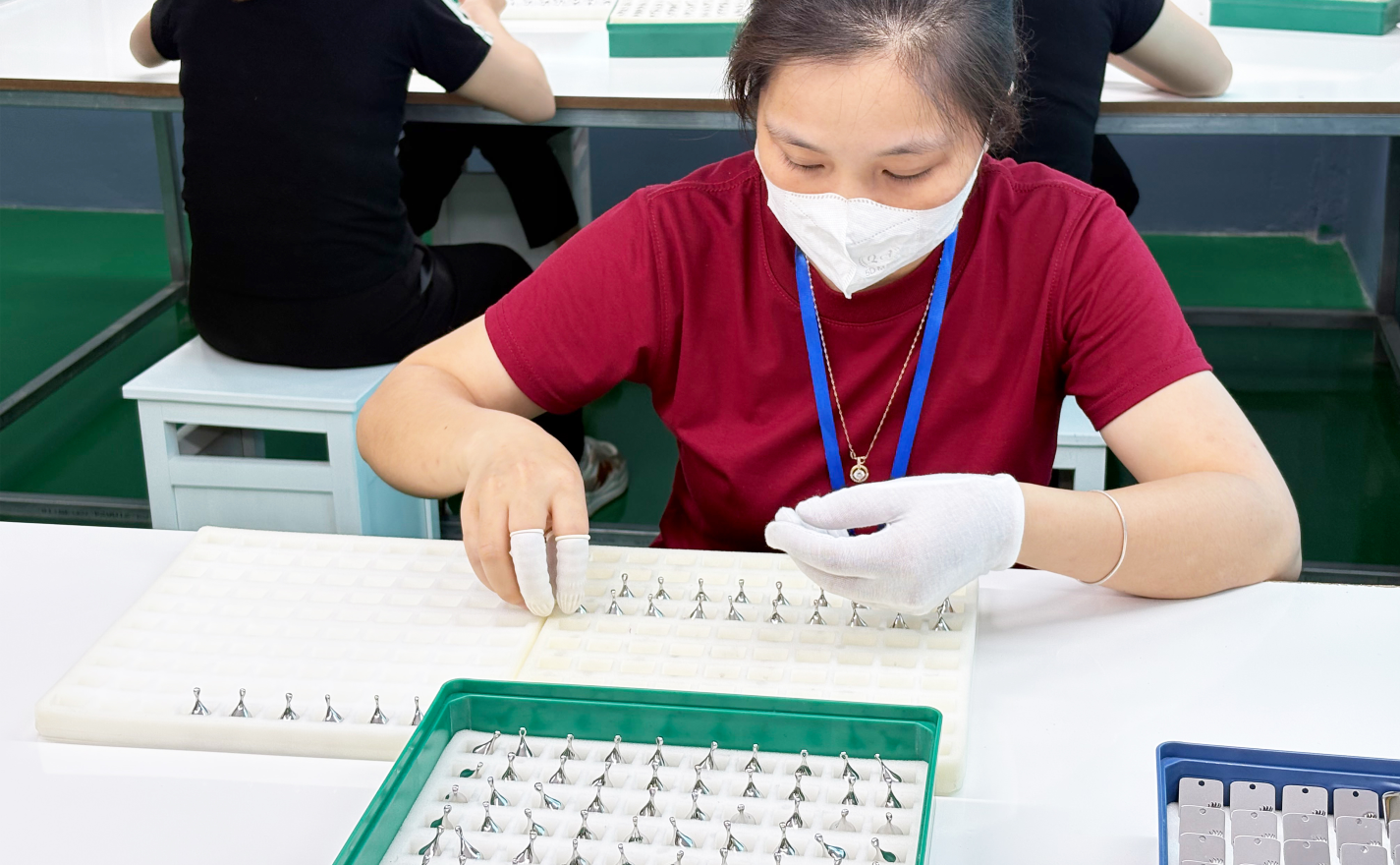
Before shipment, finished jewelry undergoes quality checks to evaluate appearance, construction, finishing, and packaging.
Approved products are then prepared for packaging and delivery according to customer requirements.
4. Customization and Surface Finishing Options
One of the biggest advantages of custom jewelry manufacturing is the ability to develop products that reflect a brand's identity.
For 925 sterling silver jewelry, different finishing methods can create significantly different visual effects.
Popular Silver Jewelry Finishes
Natural Silver Finish
A classic silver appearance that highlights the natural color of sterling silver.
High Polish Finish
Creates a smooth, reflective surface suitable for elegant and minimalist jewelry.
Matte and Satin Finish
Produces a softer, less reflective appearance for modern jewelry collections.
Oxidized Silver Finish
Creates darker recessed areas to emphasize texture, depth, and decorative details.
Gold Plating
Adds a gold-tone appearance to sterling silver jewelry, making it suitable for brands offering multiple color options.
Rhodium Plating
Provides a bright, white-metal appearance and can help improve surface protection when properly applied.
Personalization Options
Brands can further customize silver jewelry through:
Laser logo engraving.
Custom initials and lettering.
Personalized dates and symbols.
Unique gemstone combinations.
Custom shapes and structural details.
Branded packaging and jewelry cards.
The best results come from defining these requirements during the design and sampling stages rather than introducing them after production begins.
5. Quality Control for Custom Silver Jewelry
Consistent quality is essential for jewelry brands, especially when developing collections for wholesale and international markets.
A professional silver jewelry manufacturer should pay attention to both material specifications and finished-product performance.
Key Quality Control Areas
Material Verification
Confirm that the material meets the agreed 925 sterling silver specification.
Dimensional Inspection
Check product dimensions, thickness, weight, and structural consistency against approved drawings or samples.
Surface Quality Inspection
Inspect for scratches, uneven polishing, casting defects, porosity, and inconsistent finishing.
Stone Setting Inspection
Check stone alignment, security, spacing, and overall appearance.
Plating Inspection
For plated silver jewelry, evaluate color consistency, coating thickness, and surface adhesion according to the agreed specifications.
Assembly Inspection
Check clasps, jump rings, solder joints, hinges, and other functional components.
Final Inspection
Review finished products before packaging to identify visible defects and production inconsistencies.
For brands selling internationally, material and chemical compliance documentation should also be discussed with the manufacturer according to the destination market's requirements.
6. Understanding MOQ, Production Costs, and Lead Times
Before starting a custom silver jewelry project, brands should understand the factors that influence production costs and minimum order quantities.
What Determines the Cost of Custom Silver Jewelry?
1. Silver Weight and Material Usage
The weight and dimensions of a jewelry piece directly influence its material cost. Larger and thicker designs generally require more silver.
2. Design Complexity
Intricate structures, detailed engraving, multiple components, and complex stone settings require additional manufacturing time.
3. Surface Finishing
Different polishing, plating, oxidation, and protective treatments involve different production processes and costs.
4. Stone and Component Selection
Gemstone types, stone sizes, setting methods, and custom hardware can influence the overall quotation.
5. Order Quantity
Production quantities affect material planning, setup costs, labor allocation, and unit pricing.
What About MOQ?
The custom jewelry MOQ depends on several factors, including material, design complexity, manufacturing method, and finishing requirements.
For emerging jewelry brands, discussing flexible MOQ options with the manufacturer can help reduce initial inventory risks.
At MCGA, we offer flexible manufacturing discussions based on individual project requirements, helping brands explore suitable production quantities for different materials and designs.
Typical Production Stages
| Production Stage | Main Activities |
|---|---|
| Design Development | Review drawings, specifications, and CAD |
| Sampling | Prototype development and sample approval |
| Pre-Production | Confirm materials, finishes, and production details |
| Mass Production | Manufacturing, assembly, and finishing |
| Quality Control | Inspection and final approval |
| Packaging & Shipping | Custom packaging and order dispatch |
Actual lead times depend on design complexity, material availability, sampling revisions, order quantity, and production scheduling. A project-specific timeline should be confirmed before production begins.
7. How to Choose the Right Custom Jewelry Manufacturer
Selecting a manufacturing partner is about more than comparing quotations.
The right supplier should understand your product requirements and provide reliable support throughout the development and production process.
Here are several important factors to evaluate.
Manufacturing Capabilities
Check whether the manufacturer can support design development, sampling, casting, CNC machining, polishing, plating, stone setting, and final assembly.
Material Options
A manufacturer with multiple material capabilities can support your brand as its product range expands.
MCGA supports custom jewelry development in 316L stainless steel, brass, and 925 sterling silver.
Quality Management
Ask about material verification, finishing standards, production inspections, and testing procedures.
Production Flexibility
Discuss MOQ, sampling arrangements, order quantities, and the manufacturer's ability to support both new product development and repeat orders.
Communication and Design Protection
Clear communication is important throughout the development process. For original designs and private-label projects, discuss NDA requirements and design confidentiality before sharing sensitive files.
Integrated Manufacturing Support
Working with a partner that coordinates development, manufacturing, finishing, quality control, and packaging can simplify sourcing and reduce communication gaps.
8. Why Partner with MCGA Jewelry?
MCGA Jewelry is a Vietnam-based jewelry manufacturer providing OEM/ODM custom jewelry solutions for brands, retailers, designers, and international businesses.
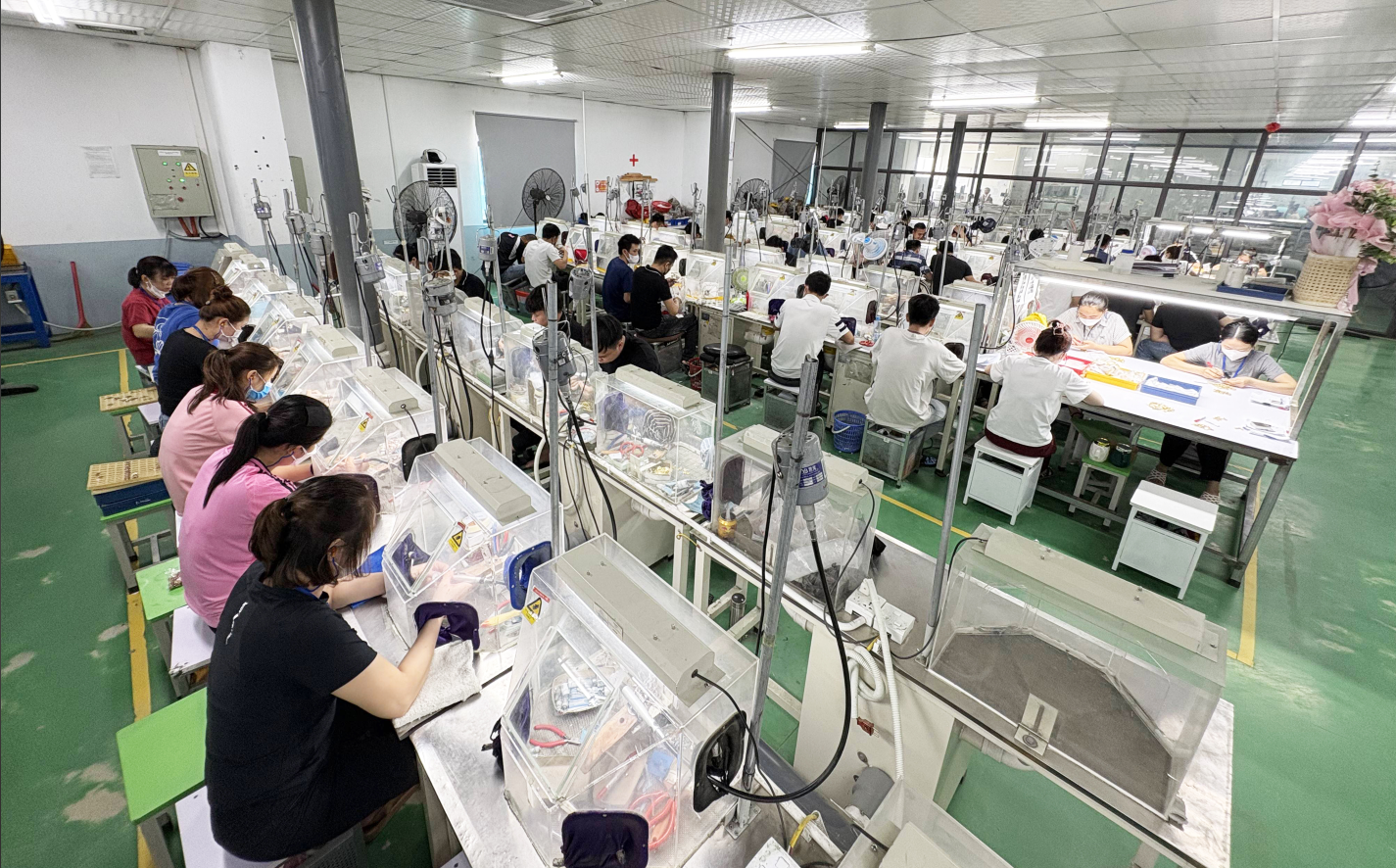
With 20 years of jewelry industry experience in China and an established manufacturing operation in Vietnam, MCGA combines manufacturing experience with flexible production capabilities.
Our Manufacturing Strengths
Multiple Materials: 316L stainless steel, brass, and 925 sterling silver.
Integrated Production: Design development, sampling, manufacturing, finishing, quality inspection, and packaging.
Advanced Processes: Casting, CNC machining, welding, polishing, PVD, water plating, and stone setting.
Flexible Customization: Custom designs, logos, finishes, gemstones, and private-label solutions.
Vietnam Manufacturing: Supporting brands seeking diversified sourcing and China Plus One manufacturing options.
Global B2B Support: Working with jewelry brands, wholesalers, retailers, and designers worldwide.
Our goal is to help customers move from initial concepts to repeatable jewelry production through clear communication and coordinated manufacturing support.
Whether you are developing a new silver collection or expanding an existing product range into stainless steel and brass, MCGA can help you explore the right manufacturing solution.
Start Your Custom Jewelry Project with MCGA
Have a custom 925 sterling silver jewelry design in mind?
Whether you have a technical drawing, a reference image, or just an initial concept, MCGA can help you evaluate materials, manufacturing methods, sampling requirements, and production possibilities.
Let's turn your jewelry ideas into production-ready collections.
Custom OEM/ODM Jewelry Manufacturing
316L Stainless Steel, Brass & 925 Sterling Silver
Flexible MOQ Discussions
Design Development & Sampling
Global B2B Manufacturing Support