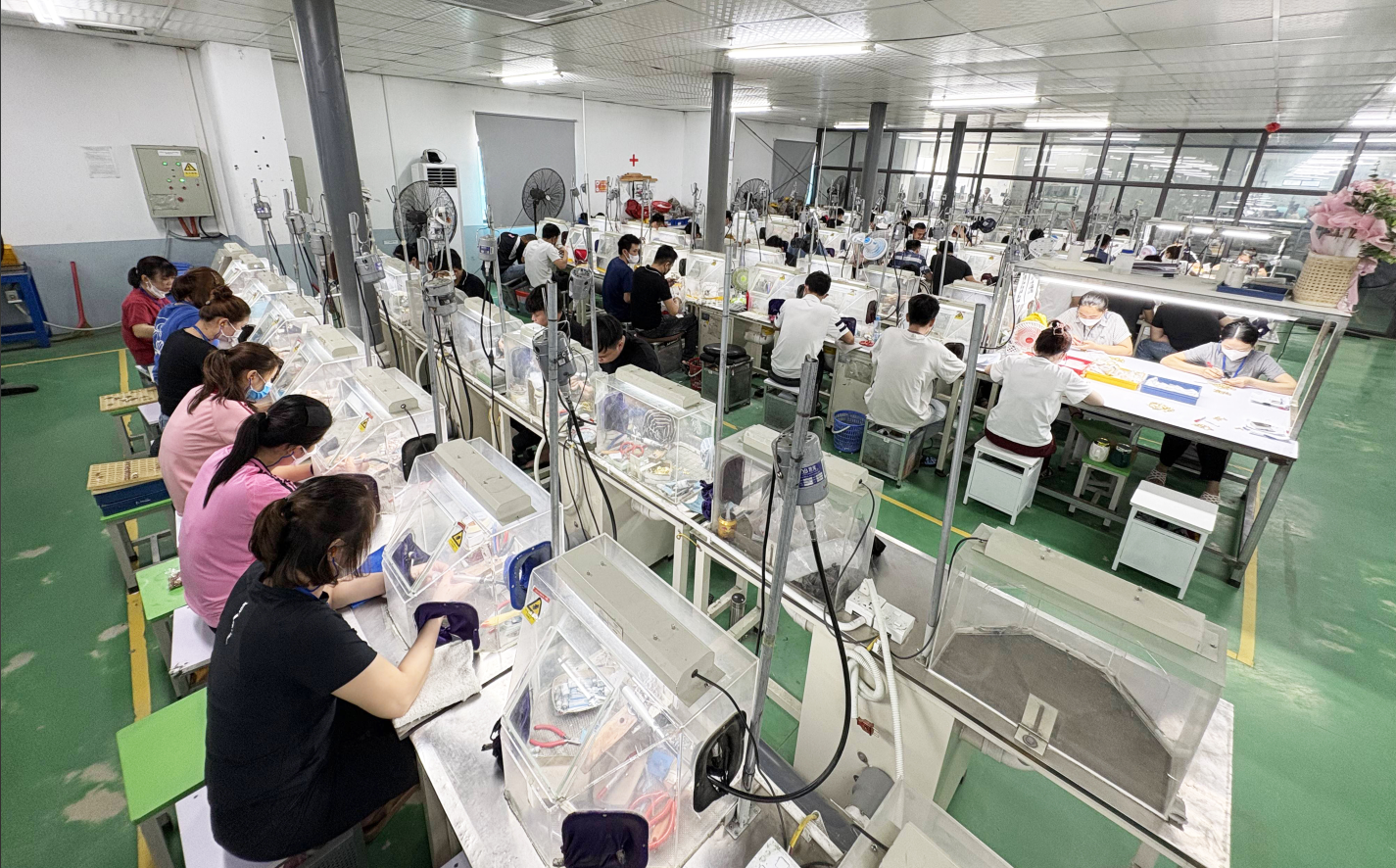
Choosing the right jewelry manufacturer is about more than price and production capacity. Consistent quality directly affects your brand reputation, customer satisfaction, product returns, and long-term profitability.
For jewelry brands, retailers, and wholesalers, understanding jewelry quality control is essential before placing a bulk order. From material verification and dimensional accuracy to plating performance and gemstone security, every detail matters.
In this guide, we explain the key jewelry manufacturer quality standards B2B buyers should evaluate before choosing a manufacturing partner.
1. Material Quality and Verification
The first step in evaluating a jewelry manufacturer is confirming that the materials match your specifications.
Common jewelry materials include:
316L stainless steel for durable, everyday jewelry.
Brass for versatile designs and a wide range of plating finishes.
925 sterling silver for precious metal collections.
Ask your manufacturer how materials are verified and whether relevant material test reports or inspection records are available.
For products requiring specific compliance standards, clarify requirements for lead, cadmium, nickel release, and other applicable chemical restrictions before production.
Reliable jewelry quality control starts with verified materials and clearly documented specifications.
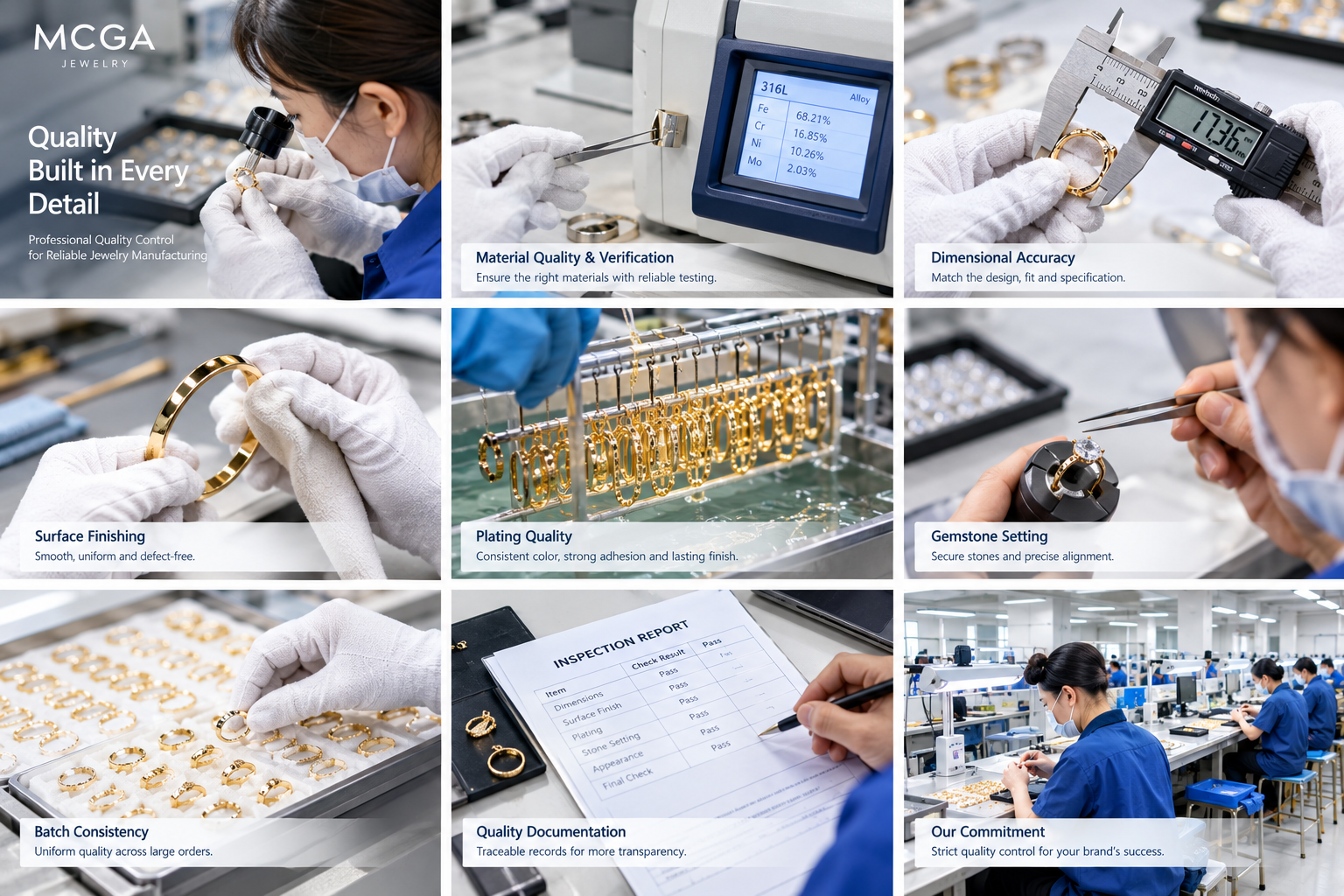
2. Dimensional Accuracy and Design Consistency
Even a well-designed piece can fail if its dimensions do not match the approved sample or technical drawing.
Important inspection points include:
Ring size, inner diameter, and thickness.
Pendant dimensions and chain length.
Clasp functionality and connection strength.
Weight and structural details.
Alignment, symmetry, and component fit.
For custom jewelry projects, manufacturers should work from approved drawings, samples, or technical specifications.
Checking dimensions during production helps identify deviations early and reduces the risk of receiving a bulk order that differs from the approved design.
3. Surface Finishing and Craftsmanship
Surface finishing has a major impact on the appearance and perceived value of jewelry.
Depending on the design, inspect the following:
Polishing: Smooth surfaces and consistent shine.
Brushing: Uniform directional textures.
Plating and PVD: Consistent color and coverage.
Welding and assembly: Clean joints and secure connections.
Edges and details: No unexpected sharp edges, visible defects, or excessive polishing marks.
Different designs require different finishing standards. A mirror-polished pendant, a brushed ring, and a textured brass bracelet should not be evaluated using exactly the same visual criteria.
A professional manufacturer should define acceptable finish requirements and inspect products under suitable lighting.
4. Plating Quality and Durability
For gold-tone and other coated jewelry, plating quality is a key factor in long-term product performance.
When evaluating a manufacturer's plating process, ask about:
The plating or coating method used.
Specified coating thickness, where applicable.
Color consistency across production batches.
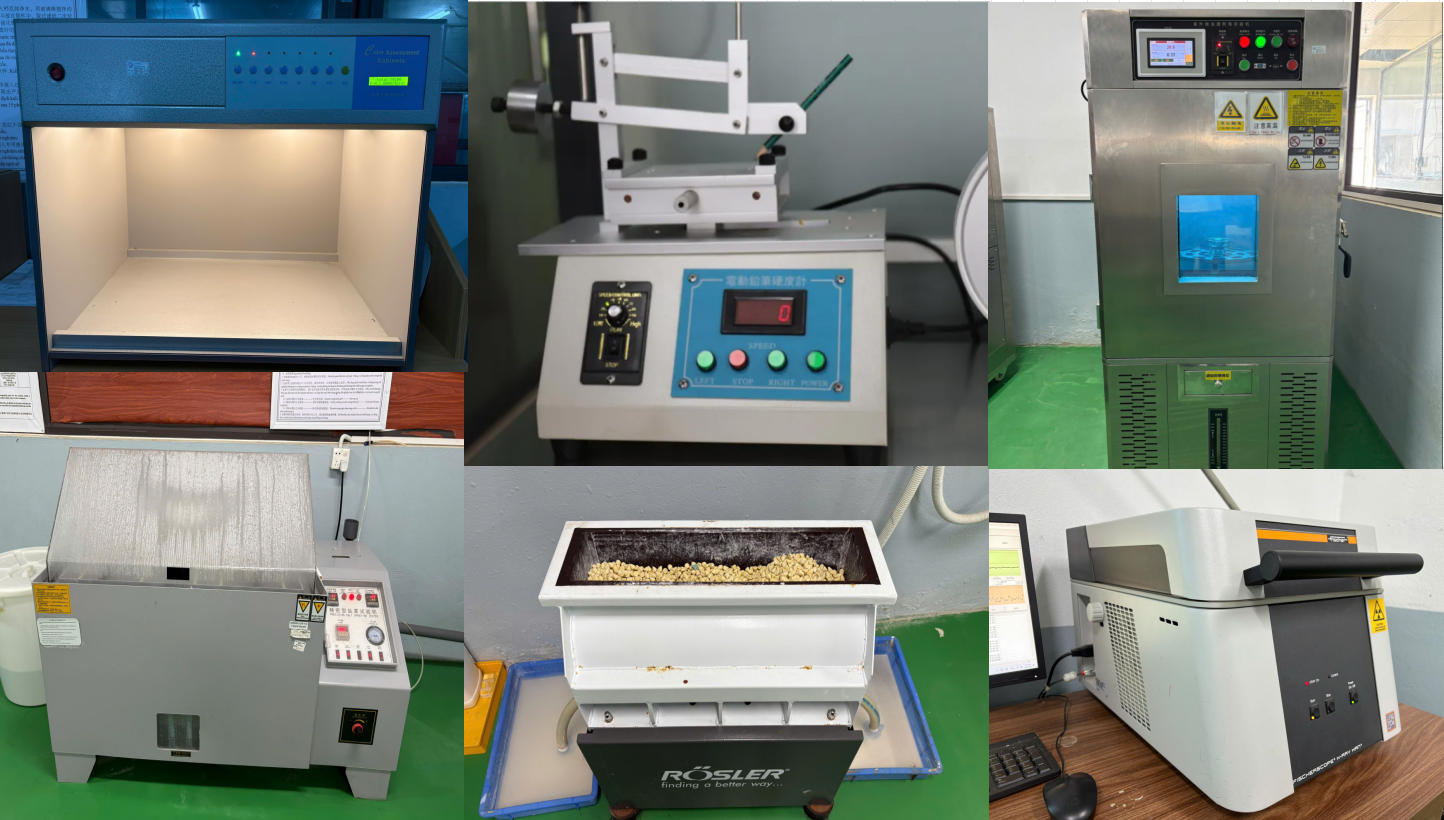
Adhesion and wear-resistance testing.
Corrosion or salt-spray testing, where relevant to the product specification.
PVD coating and conventional electroplating are different processes, and their performance depends on the base material, surface preparation, coating system, and application conditions.
Do not judge plating quality by color alone. Request relevant test results and clarify the expected performance requirements for your product.

5. Gemstone Setting and Stone Security
For jewelry featuring zirconia, crystals, or other gemstones, stone security is essential.
Inspect:
Whether stones sit evenly and securely.
Whether prongs are properly formed and finished.
Whether bezel settings fit the stones correctly.
Whether pavé stones are consistent in alignment.
Whether any stones are loose, chipped, or missing.
Depending on the design, manufacturers may use prong, bezel, pavé, channel, or other setting techniques.
A suitable inspection process should include visual checks and appropriate physical checks to identify loose stones before shipment.
For products with complex settings, approve a sample and establish clear acceptance criteria before mass production.
6. Batch Consistency and Quality Control
A good sample is only the beginning. The real test is whether the manufacturer can reproduce the approved quality across the entire order.
Effective jewelry quality control should cover multiple production stages:
| Inspection Stage | What to Check |
|---|---|
| Incoming materials | Material specifications and visible defects |
| In-process inspection | Dimensions, assembly, and workmanship |
| Surface treatment | Color, coverage, and finishing consistency |
| Stone setting | Alignment and stone security |
| Final inspection | Appearance, function, and order specifications |
| Pre-shipment checks | Quantity, packaging, labeling, and order requirements |
For larger orders, buyers should also discuss the inspection sampling method, defect classification, and acceptance criteria before production begins.
Clear standards help both the manufacturer and the buyer evaluate quality objectively rather than relying only on subjective opinions.
7. Testing Capabilities and Quality Documentation
When comparing jewelry manufacturers, ask what quality checks they perform in-house and which tests are conducted by external laboratories.
Depending on the product and destination market, relevant documentation may include:
Material composition or verification reports.
Lead, cadmium, or nickel-related test reports, where applicable.
Coating thickness measurements.
Adhesion, wear, or corrosion test results.
Final inspection records.
Certifications and test reports should be verified for their scope, validity, and relevance to the specific product or facility. Not every certificate covers every product.
A manufacturer that can explain its testing procedures and provide relevant documentation gives buyers a clearer basis for making sourcing decisions.
Comparison Table: Key Factors When Evaluating a Jewelry Manufacturer
| Quality Factor | What Buyers Should Look For | Why It Matters |
|---|---|---|
| Material quality | Verified materials and relevant reports | Confirms material specifications |
| Dimensional accuracy | Compliance with drawings and approved samples | Supports fit and design consistency |
| Surface finishing | Clean, uniform, defect-controlled surfaces | Improves appearance and perceived value |
| Plating performance | Defined coating requirements and relevant test results | Helps assess durability |
| Stone setting | Secure settings and consistent alignment | Reduces the risk of stone loss |
| Batch consistency | Documented inspections and acceptance criteria | Supports repeatable bulk production |
| Quality documentation | Relevant inspection and testing records | Improves transparency and traceability |
How MCGA Jewelry Approaches Manufacturing Quality
At MCGA Jewelry, quality requirements should be established around the product design, selected material, surface treatment, and intended application.
Our manufacturing capabilities support OEM/ODM jewelry projects across 316L stainless steel, brass, and 925 sterling silver, with processes that can include casting, CNC machining, welding, polishing, plating or PVD, gemstone setting, quality inspection, and packaging.
For each custom project, buyers should confirm the applicable material specifications, approved sample, finish requirements, inspection criteria, and testing needs before mass production.
Our goal is to help jewelry brands develop products with clearly defined requirements and a more consistent path from sampling to bulk manufacturing.
Looking for a Reliable Jewelry Manufacturing Partner?
Choosing the right manufacturer starts with clear specifications, transparent quality requirements, and effective communication.
Whether you are developing a new collection or scaling an existing product line, MCGA Jewelry can support your OEM/ODM jewelry manufacturing needs.
Contact MCGA Jewelry to discuss your designs, materials, quality requirements, and production plans.