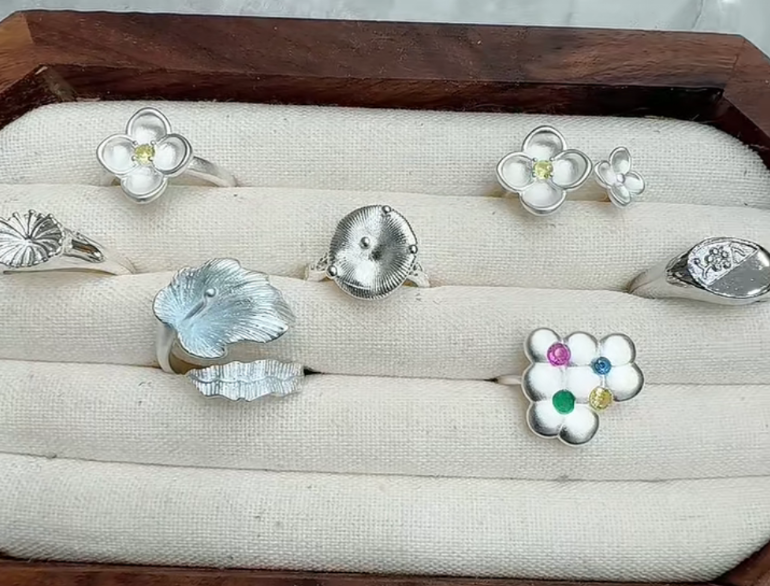
Launching a new jewelry collection takes more than finding a supplier that can produce a finished product. For brands, retailers, wholesalers, and e-commerce businesses, the right manufacturing partner should understand design requirements, materials, production processes, quality control, packaging, and international delivery.
Working with an experienced OEM jewelry manufacturer allows businesses to turn their own ideas, designs, and specifications into production-ready jewelry while maintaining better control over quality, materials, and brand identity.
From CAD design and prototyping to casting, CNC machining, polishing, plating, stone setting, quality inspection, and packaging, every stage can affect the final product.
In this guide, we explain how OEM jewelry manufacturing works, what you can customize, what affects production costs and MOQ, and how to choose a reliable OEM jewelry manufacturing partner.
What Is OEM Jewelry Manufacturing?
OEM stands for Original Equipment Manufacturing.
In jewelry manufacturing, OEM means that a brand provides its own product concept, design, specifications, or requirements, while the manufacturer develops and produces the jewelry according to those specifications.
A brand may provide:
Hand-drawn sketches
Product reference images
Existing jewelry samples
CAD files
Product dimensions
Material requirements
Gemstone specifications
Plating requirements
Logo or engraving requirements
Packaging specifications
The manufacturer then turns these requirements into a production-ready product.
For brands looking for custom jewelry manufacturing, OEM production provides much more control than simply purchasing ready-made wholesale jewelry.
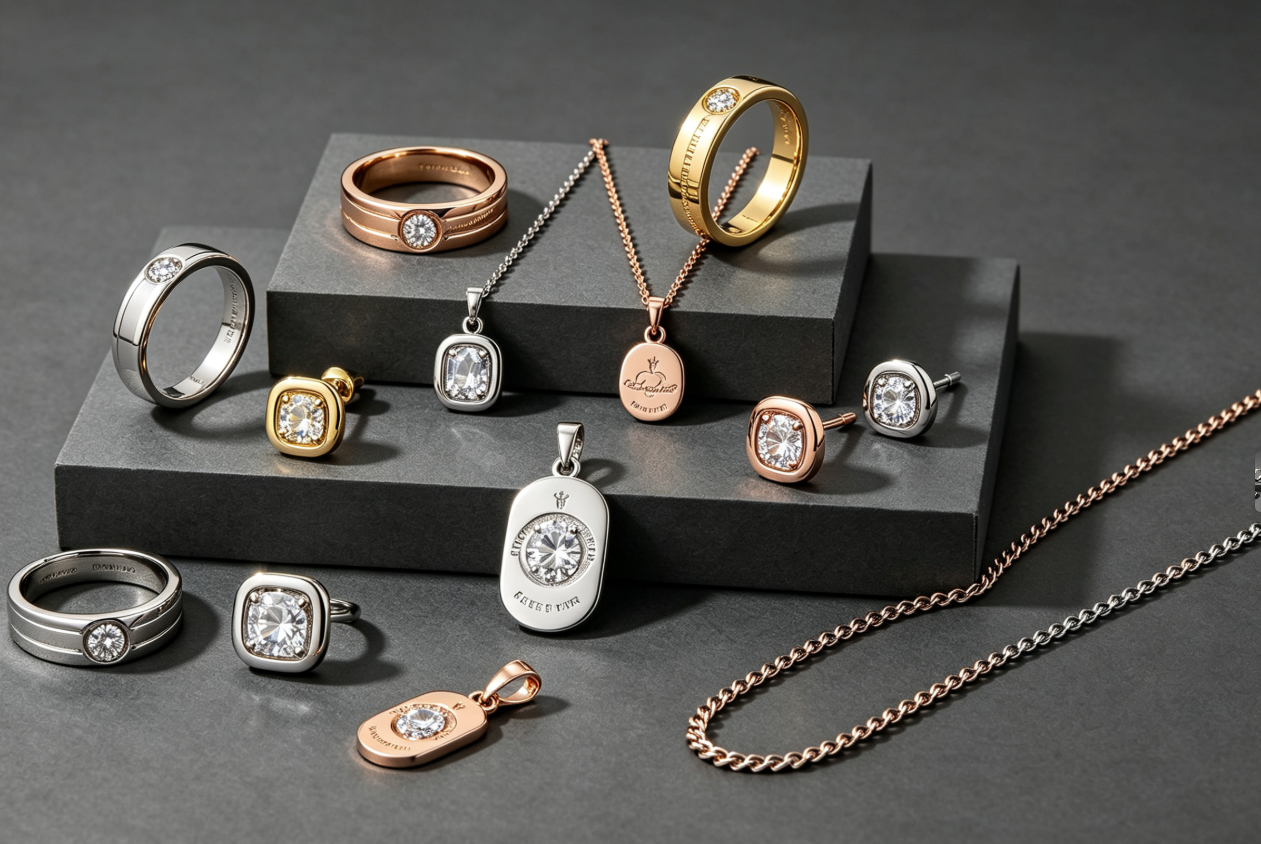
OEM vs. ODM vs. Private Label
OEM, ODM, and private label are related but different manufacturing models.
| Manufacturing Model | How It Works | Best For |
|---|---|---|
| OEM | Buyer provides the design or specifications | Brands with original designs |
| ODM | Manufacturer provides designs or design support | Businesses that need design assistance |
| Private Label | Existing or customized products are sold under the buyer's brand | Retailers and e-commerce brands |
| Contract Manufacturing | Manufacturer produces according to agreed specifications | Established brands and larger buyers |
A flexible jewelry manufacturer can support brands through different stages of development.
For example, a new jewelry brand may start with selected private label styles and later develop exclusive OEM collections based on its own designs.
Why Choose OEM Jewelry Manufacturing?
OEM manufacturing gives brands greater control over product development and brand differentiation.
1. Create Unique Jewelry Designs
Instead of competing with businesses selling the same catalog products, brands can develop jewelry that reflects their own identity.
Custom OEM jewelry can include:
Rings
Earrings
Necklaces
Pendants
Bracelets
Chains
Charms
Brooches
Jewelry sets
Custom development is particularly valuable for brands that want to build a recognizable and differentiated product collection.
2. Choose the Right Materials
Material selection is an important part of jewelry development.
Depending on the product and target market, OEM jewelry can be developed using:
316L stainless steel
Brass
Copper
925 sterling silver
Gold vermeil
Titanium alloy
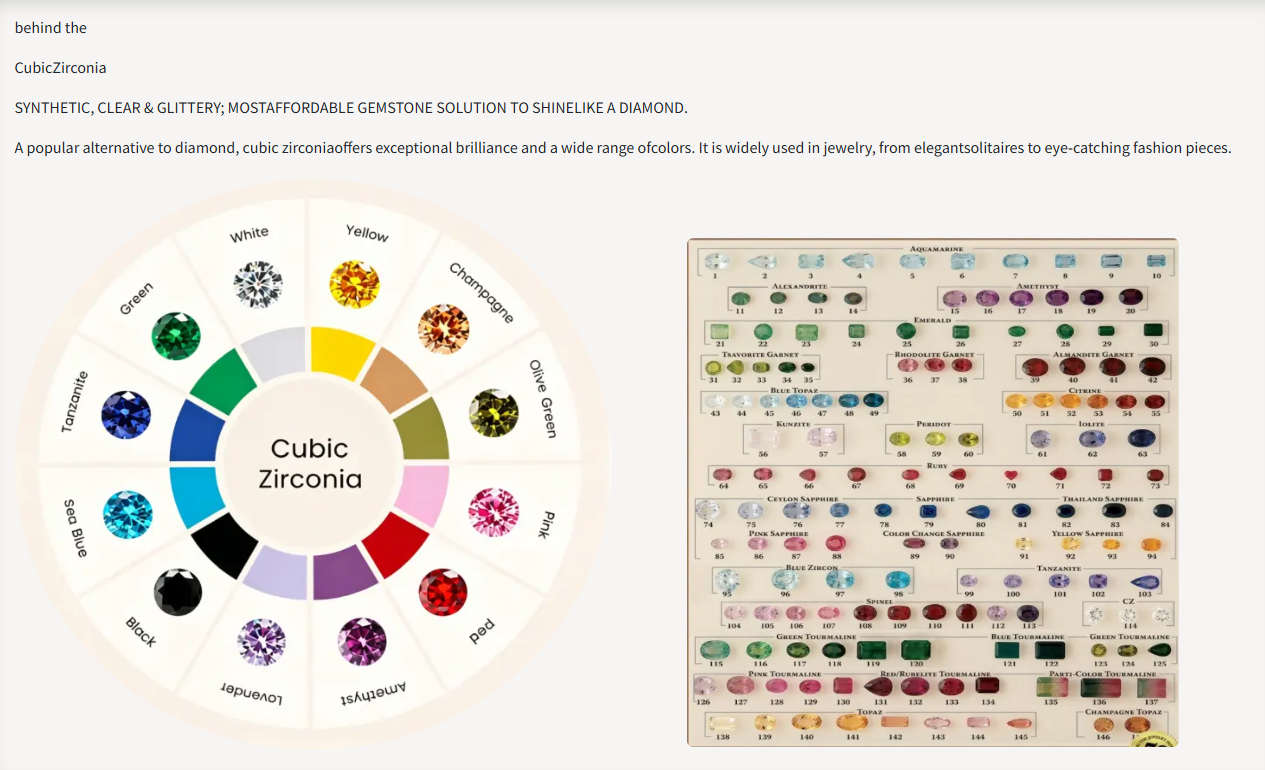
CZ
Moissanite
Crystals
Pearls
At MCGA Jewelry, we focus on materials and manufacturing processes that can meet different product positioning and market requirements.
For example, 316L stainless steel is well suited to everyday jewelry because of its durability and corrosion resistance, while brass can provide greater flexibility for fashion jewelry designs.
3. Customize Plating and Surface Finishes
The surface finish can significantly influence the appearance and positioning of a jewelry collection.
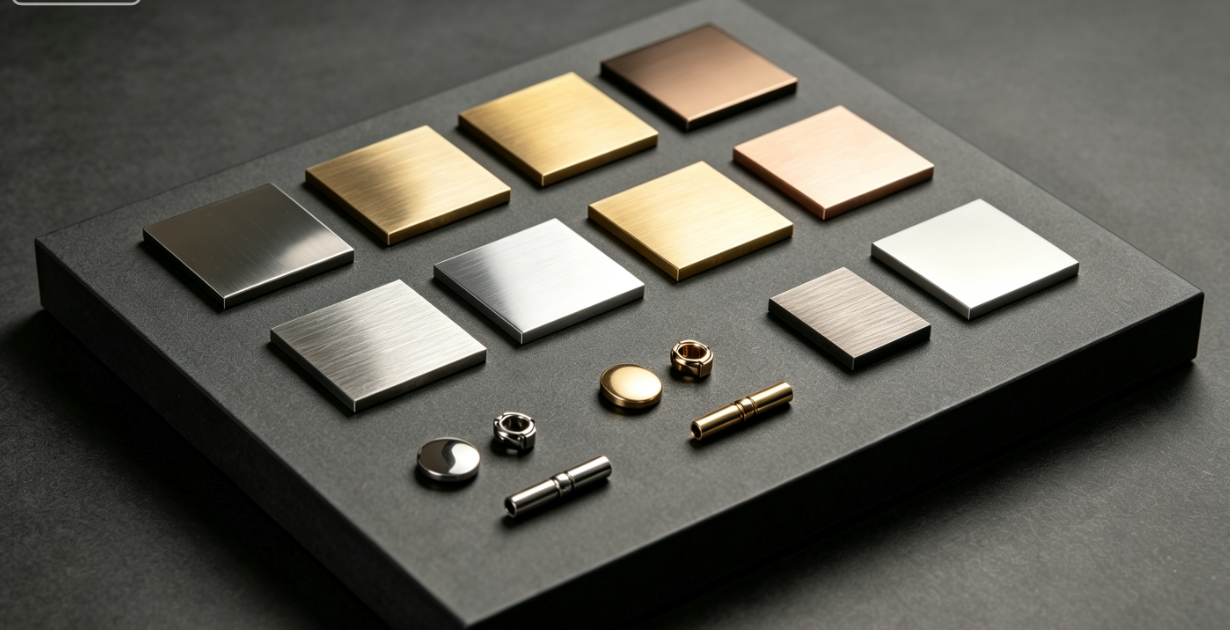
Depending on the material and product, options may include:
PVD gold plating
Traditional water plating
Yellow gold
Rose gold
Silver finish
High polish
Matte finish
Brushed finish
Sandblasted finish
Oxidized finish
For PVD jewelry, factors such as base material, coating color, surface preparation, and coating specifications should be confirmed during product development.
4. Build a Consistent Brand Identity
OEM manufacturing can extend beyond the jewelry itself.
Brands can customize:
Logo engraving
Laser engraving
Brand tags
Jewelry cards
Packaging
Jewelry boxes
Pouches
Product labels
Inserts
A consistent combination of jewelry design and packaging helps create a stronger brand experience.
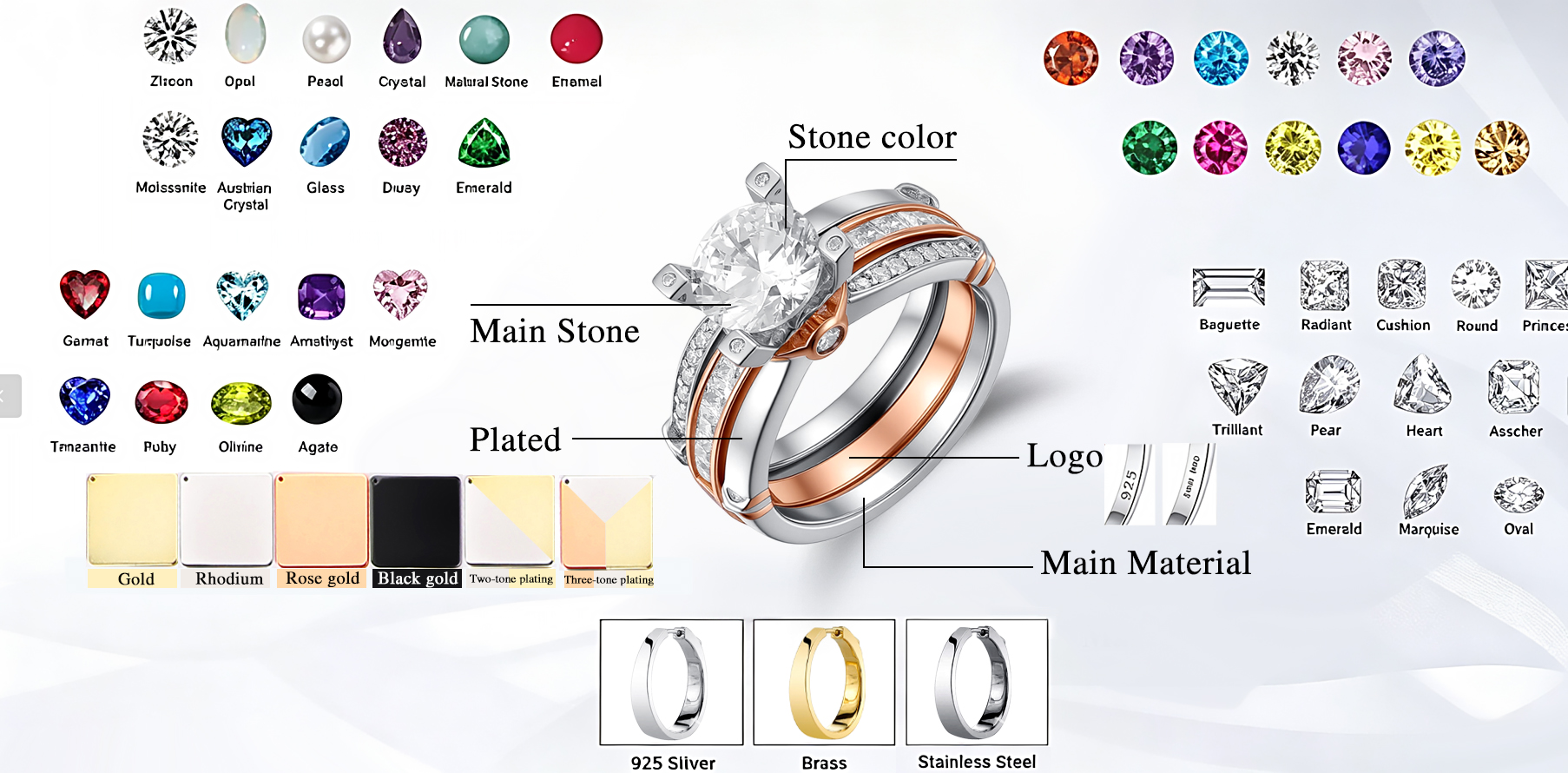
What Can You Customize with an OEM Jewelry Manufacturer?
One of the biggest advantages of OEM manufacturing is the ability to customize multiple aspects of a product.
Jewelry Design
You can provide your own design or work with the manufacturer's technical team to develop a product from an initial concept.
Design customization may include:
Shape
Size
Thickness
Dimensions
Weight
Structure
Stone placement
Logo position
Component design
Clasp and connection details
Material
Depending on the product, you may specify:
316L stainless steel
Brass
Copper
925 sterling silver
Gold vermeil
Titanium alloy
Other approved materials
For international markets, brands should confirm material specifications and relevant testing or compliance requirements before production.
Gemstones and Stones
Stone specifications can include:
Stone type
Size
Shape
Color
Cut
Setting method
Quantity
For complex stone-set jewelry, stone specifications should be finalized before mass production.
Plating
Plating can be customized according to the desired appearance, durability, and product positioning.
Common options include:
PVD gold
Yellow gold
Rose gold
Silver
Rhodium
Custom finishes
For larger production orders, brands should confirm plating specifications and how color consistency is maintained between production batches.
Logo and Engraving
OEM jewelry can incorporate:
Laser engraving
Logo engraving
Brand initials
Product numbers
Custom symbols
Details such as engraving size, depth, location, and production method should be approved during the sampling stage.
Packaging
Custom packaging can include:
Jewelry boxes
Pouches
Cards
Labels
Inserts
Custom printed materials
Packaging should be discussed early because it can affect production schedules, minimum quantities, and shipping costs.
The Complete OEM Jewelry Manufacturing Process
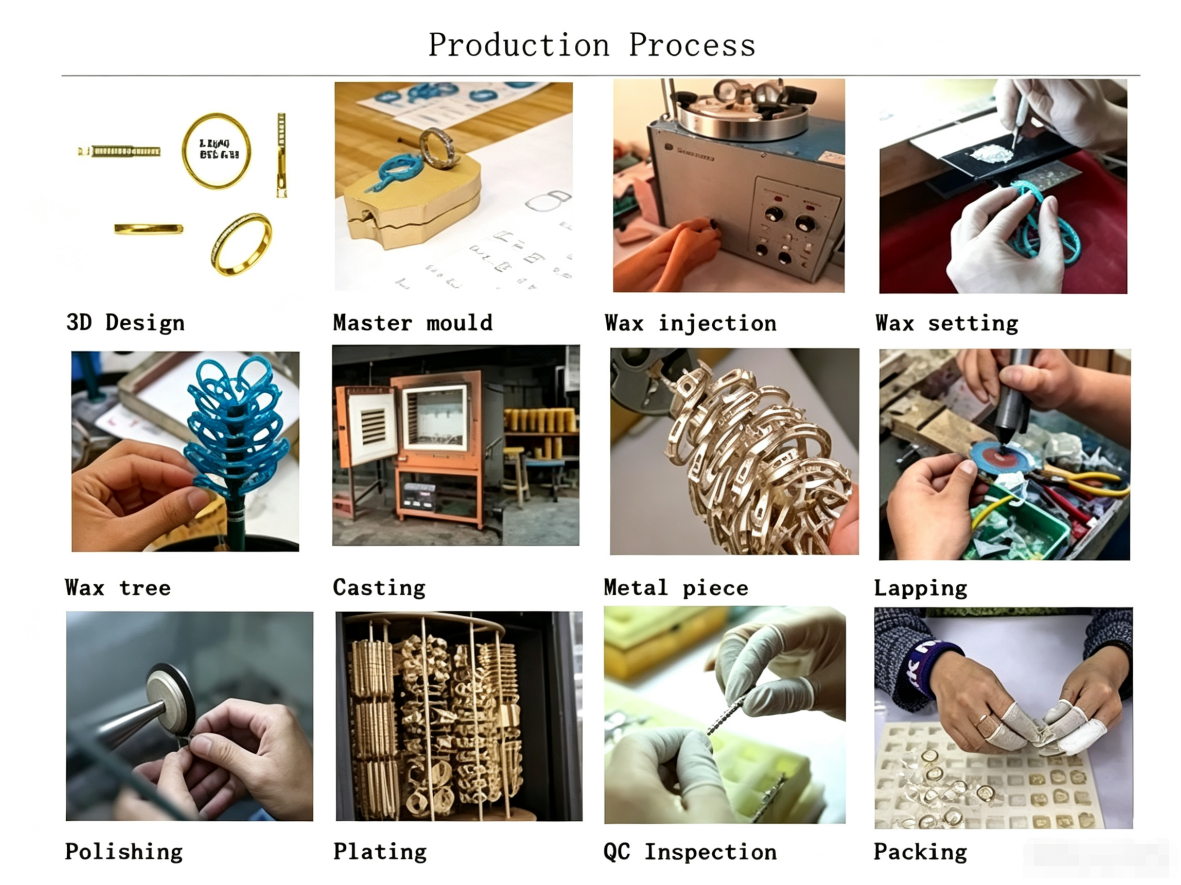
A professional OEM jewelry manufacturing process normally follows a structured workflow:
Design Brief → CAD Design → 3D Rendering → Prototype/Sample → Sample Approval → Mass Production → Polishing → Plating → Stone Setting → Quality Inspection → Packaging → Shipping
Here's how each stage works.
Step 1: Design Consultation and Brief Submission
The first step is to clearly define what needs to be manufactured.
The buyer should provide as much information as possible, including:
Product type
Sketch or reference image
Dimensions
Target weight
Material
Stone specifications
Plating color
Surface finish
Logo requirements
Target quantity
Packaging requirements
Target market
The more complete the initial brief, the lower the risk of misunderstandings during development.
If the design is incomplete, an experienced manufacturer can also help evaluate whether the concept is suitable for production.
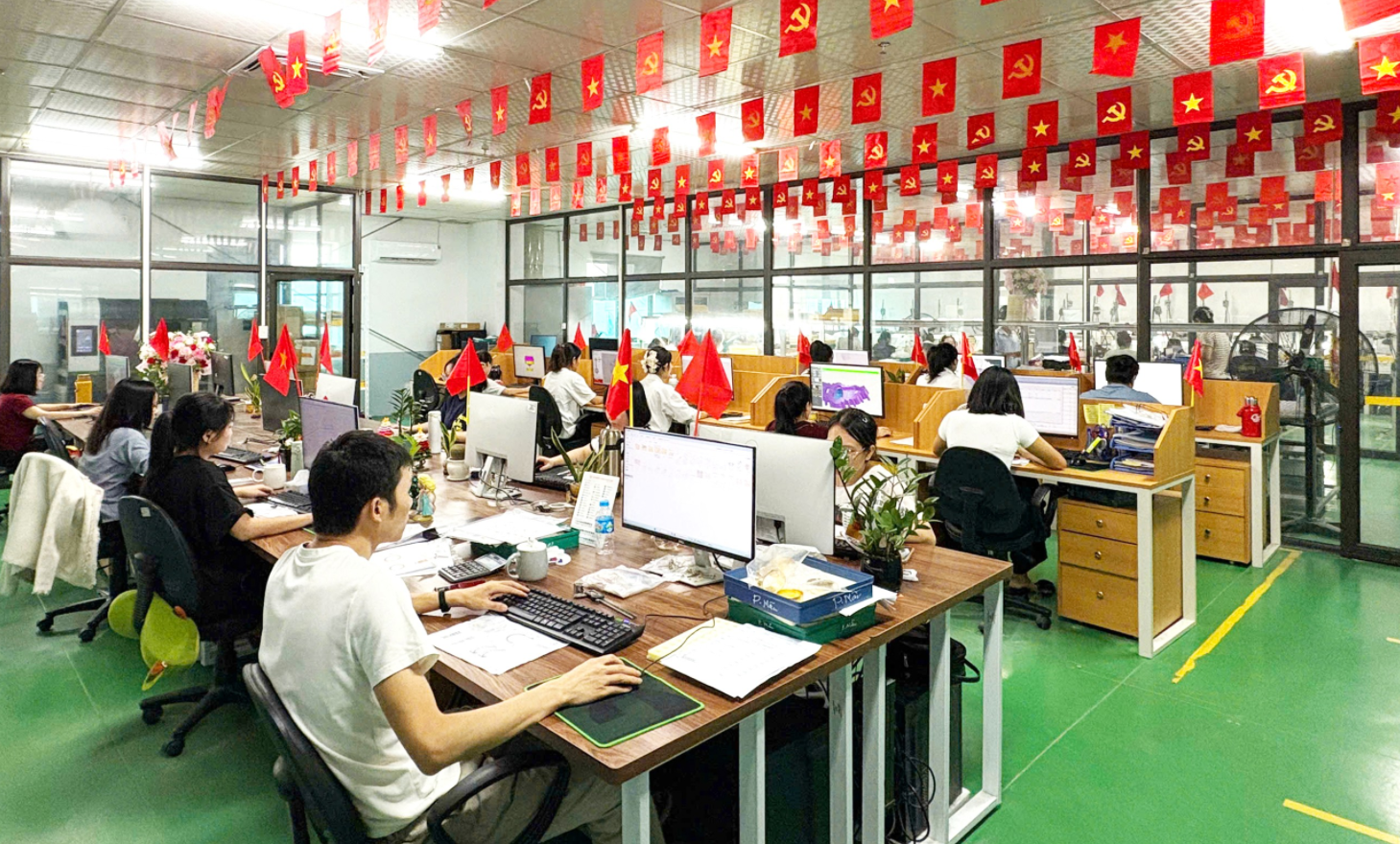
Step 2: CAD Design and 3D Rendering
Once the requirements are confirmed, the design can be converted into a 3D CAD model.
CAD allows the manufacturer and buyer to evaluate:
Dimensions
Thickness
Weight
Stone placement
Structural details
Logo position
Production feasibility
A 3D rendering also allows the buyer to review the appearance before producing a physical sample.
Step 3: Prototype and Sample Production
After CAD approval, the digital design can be converted into a physical prototype or sample.
Depending on the product, manufacturing methods may include:
Wax or resin modeling
Casting
CNC machining
Laser processing
Component manufacturing
Assembly
The physical sample allows the buyer to evaluate details that cannot always be judged accurately from a rendering.
These include:
Actual size
Weight
Proportion
Surface details
Wearability
Stone setting
Connections
Clasp performance
Overall appearance
Step 4: Sample Approval and Revisions
The sample should be carefully inspected before mass production.
Typical revision requests may include:
Increasing or reducing thickness
Adjusting dimensions
Changing weight
Moving stone positions
Changing plating color
Modifying the logo
Improving surface details
Whenever possible, provide measurable feedback.
For example:
Reduce the pendant width from 22 mm to 18 mm.
Specific instructions make communication more precise and can reduce revision time.
Once the final sample is approved, the manufacturer should have a clear production specification for bulk manufacturing.
Step 5: Mass Production
After sample approval, the product enters bulk production.
Depending on the design and material, the manufacturing process may include:
Material Preparation → Casting/CNC/Forming → Component Production → Stone Setting → Assembly → Polishing → Plating → Final Inspection
A professional factory should have quality control checkpoints throughout production instead of relying only on a final inspection.
Important quality checks may include:
Material
Dimensions
Weight
Casting quality
Stone security
Surface defects
Connections
Logo accuracy
Plating consistency
Step 6: Plating, Finishing, and Final Inspection
After the jewelry has been produced, pieces may go through polishing, cleaning, plating, and final finishing.
The finishing process can have a major impact on the final appearance.
Brands should confirm:
Plating type
Plating color
Coating or plating specifications
Surface preparation
Color consistency
Quality inspection requirements
Final inspection should compare the finished jewelry against the approved sample and production specifications.
Typical checks include:
Quantity
Dimensions
Weight
Surface quality
Color
Stone setting
Logo
Clasp
Overall workmanship
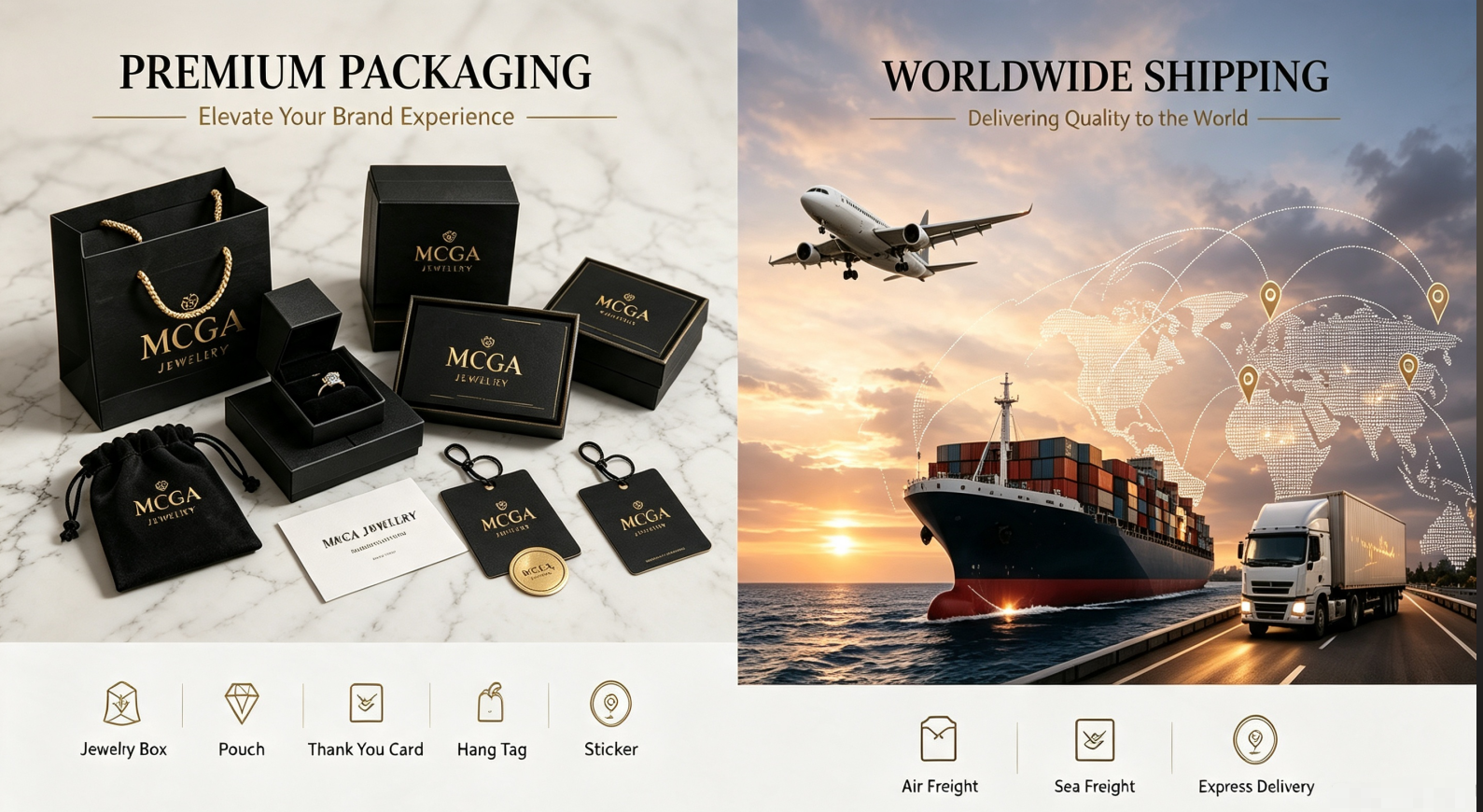
Step 7: Packaging and Global Shipping
After final inspection, products are packaged and prepared for shipment.
For private label and OEM jewelry brands, packaging can be customized to match the brand identity.
International shipments may require:
Commercial invoice
Packing list
Shipping documents
Product information
Destination-specific requirements
The appropriate shipping method depends on order volume, destination, delivery time, and budget.
How Much Does OEM Jewelry Manufacturing Cost?
There is no single fixed price for OEM jewelry.
Production costs depend on the product's material, design, quantity, manufacturing process, and customization requirements.
Major cost factors include:
| Cost Factor | Potential Impact |
|---|---|
| Material Weight | High |
| Design Complexity | Medium to High |
| Mold Development | Medium to High |
| Gemstones | Low to Very High |
| Plating | Medium |
| Order Quantity | High |
| Custom Packaging | Medium |
| Special Components | Medium to High |
For example, a lightweight stainless steel pendant with a simple design can have a very different production cost from a complex stone-set jewelry piece requiring custom molds, multiple components, and special finishing.
For an accurate quotation, an OEM factory normally needs:
Design + Material + Dimensions + Quantity + Customization Requirements
This is why comparing suppliers based only on a basic "price per piece" can sometimes be misleading.
A better comparison should consider:
Material + Manufacturing + Finishing + Quality Control + Packaging + Shipping
What Is the MOQ for OEM Jewelry?
MOQ, or Minimum Order Quantity, is an important consideration for jewelry businesses.
High MOQs can create inventory risks, especially for:
Startups
Boutique retailers
Independent designers
New e-commerce brands
Businesses testing new collections
MOQ can vary depending on:
Product complexity
Material
Gemstones
Mold requirements
Packaging
Customization
Production process
Order quantity
At MCGA Jewelry, MOQ is evaluated according to the specific project rather than using one fixed number for every product.
For this reason, brands should discuss their design and target quantity with the manufacturer before starting production.
OEM Jewelry Manufacturing Timeline
A typical custom jewelry project can be divided into several stages:
| Production Stage | Typical Time |
|---|---|
| Design Consultation | Depends on project |
| CAD Design | Depends on complexity |
| Sample Development | Depends on product |
| Sample Revisions | Depends on feedback |
| Bulk Production | Depends on quantity and complexity |
| Final Inspection | Before shipment |
| Shipping | Depends on destination |
These timelines are estimates rather than fixed guarantees.
Complex designs, special materials, gemstones, large quantities, custom packaging, or multiple revisions may require additional time.
Brands should confirm the production schedule before approving a purchase order.
How to Choose the Right OEM Jewelry Manufacturer
Choosing an OEM factory should involve more than comparing quotations.
A reliable supplier should demonstrate manufacturing capability, quality control, communication, and experience with international B2B customers.
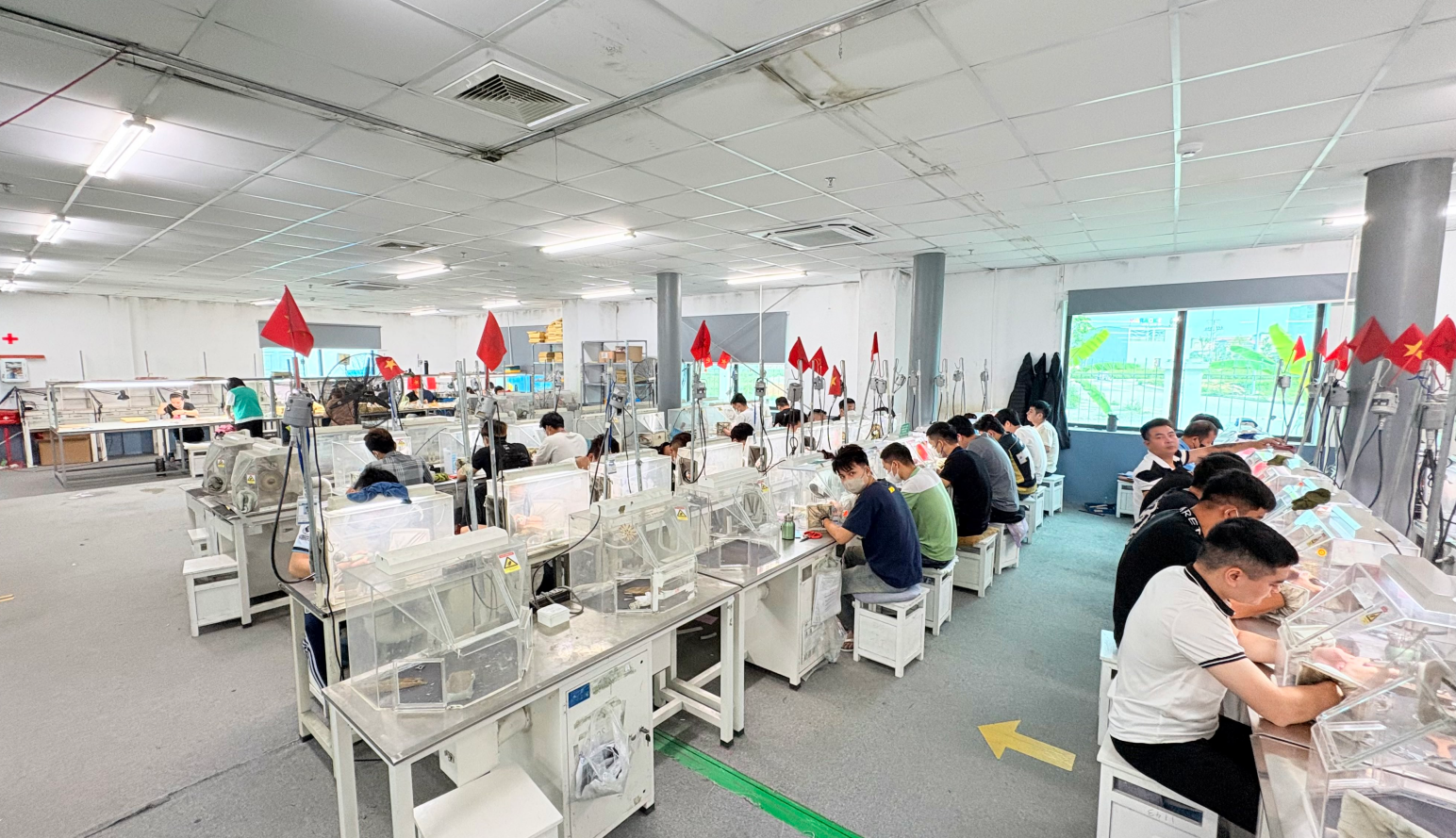
1. Check the Factory's Production Capabilities
Ask whether the manufacturer handles important production stages in-house or relies heavily on outside suppliers.
Relevant capabilities may include:
CAD design
Mold making
Casting
CNC machining
Stone setting
Polishing
PVD plating
Water plating
Assembly
Quality control
Packaging
A factory with broader production capabilities can make communication and production coordination easier.
2. Verify Certifications and Testing
Depending on the target market and product, relevant documentation may include:
Material testing
Nickel release testing
REACH-related compliance
RoHS-related testing
Third-party laboratory reports
Other market-specific documentation
Don't simply ask whether a supplier is "certified."
Ask for the specific testing or documentation relevant to your product and target market.
3. Evaluate Communication
International OEM projects involve many technical details.
A reliable supplier should clearly communicate:
Pricing
MOQ
Sampling
Production schedule
Material specifications
Plating
Packaging
Shipping
Quality issues
Fast replies are useful, but accurate and consistent communication is even more important.
4. Ask About Quality Control
Before placing a large order, ask:
When does QC take place?
Is there in-process inspection?
Is there a final inspection?
What defects are considered unacceptable?
Can inspection photos or reports be provided?
How are defective products handled?
Clear QC standards can help prevent quality disputes after delivery.
5. Ask About Material Traceability
For brands selling in international markets, material information can be important.
Ask your supplier:
What material is being used?
What material grade is available?
Can material documentation be provided?
Is testing available?
Can the manufacturer support market-specific requirements?
This information can also help brands create more accurate product descriptions.
Key Questions to Ask Before Partnering with an OEM Factory
Before choosing a supplier, ask these questions:
1. What is your MOQ?
Ask whether MOQ is calculated per design, color, size, or total order.
2. How long does sampling take?
Confirm the expected CAD and physical sample timeline.
3. How much does sampling cost?
Ask whether CAD, molds, stones, plating, and shipping are included.
4. Can you customize plating?
Confirm available finishes and relevant quality specifications.
5. Can you customize packaging?
Ask about jewelry boxes, pouches, cards, labels, and branded inserts.
6. Do you manufacture in-house?
Find out which stages are handled internally and which are outsourced.
7. What materials do you specialize in?
Make sure the supplier has real manufacturing experience with the material required for your collection.
Why In-House Manufacturing Matters for OEM Jewelry
For OEM production, manufacturing control can directly affect communication, quality, and delivery.
When multiple suppliers are involved, information may have to pass between:
Buyer → Trading Company → Factory A → Factory B → Plating Supplier → Packaging Supplier
Every additional handoff creates opportunities for delays, inconsistent specifications, or communication errors.
An integrated manufacturing structure can simplify the process:
Buyer → OEM Factory → Design → Production → Plating → QC → Packaging → Shipping
This makes it easier to maintain consistent specifications throughout the project.
How MCGA Jewelry Supports OEM & ODM Jewelry Manufacturing
MCGA Jewelry combines extensive jewelry manufacturing experience with a Vietnam-based production facility designed to support international B2B customers.
With 20+ years of jewelry manufacturing experience, MCGA supports brands, wholesalers, retailers, and e-commerce businesses with custom jewelry development and production.
Our manufacturing capabilities include:
CAD design
Prototyping
Casting
CNC machining
Polishing
Stone setting
Laser engraving
Sandblasting
PVD plating
Water plating
Assembly
Quality control
Custom packaging
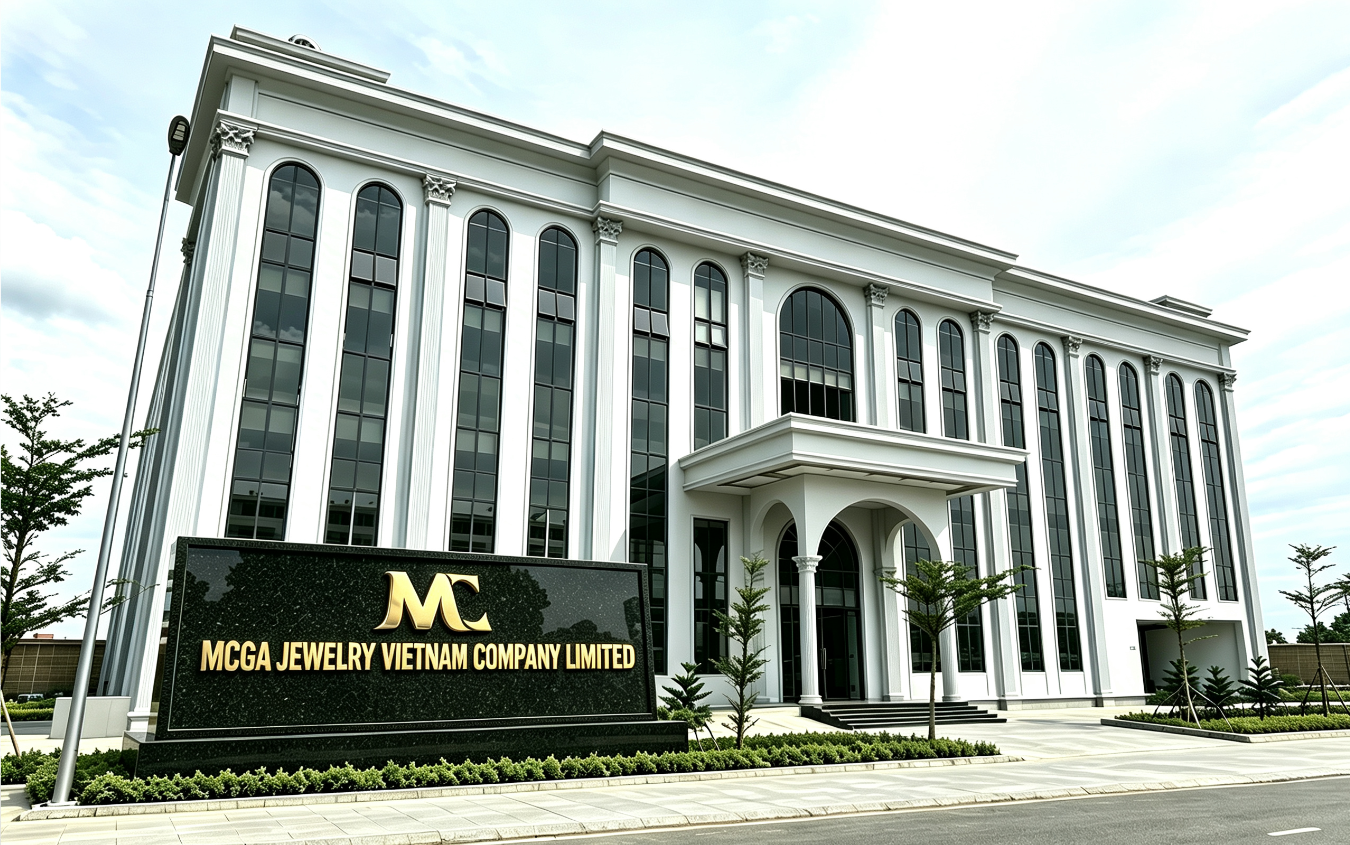
Our Vietnam facility was completed in 2024, with approximately 9,800 square meters of production space and a workforce of around 1,500 employees.
The facility supports production of jewelry made from materials including:
316L stainless steel
Brass
Copper
Zinc
Titanium alloy
This combination of manufacturing experience, production capability, and material flexibility allows MCGA to support both new jewelry brands and established businesses developing larger collections.
316L Stainless Steel Jewelry Manufacturing
316L stainless steel has become increasingly popular for everyday jewelry because it offers a combination of durability, corrosion resistance, and relatively low maintenance.
At MCGA, stainless steel jewelry can be developed with different finishes and manufacturing techniques depending on the product design.
Applications include:
Rings
Earrings
Necklaces
Bracelets
Pendants
Chains
Charms
Custom logo jewelry
For brands looking for durable, modern, and affordable jewelry collections, stainless steel can be an attractive alternative to traditional precious-metal products.
Brass Jewelry Manufacturing
Brass remains a versatile material for fashion and custom jewelry because it offers good machinability and design flexibility.
MCGA can support brass jewelry development with different finishing options, including plating and PVD-related processes depending on the product requirements.
Brass can be used for:
Fashion jewelry
Custom pendants
Rings
Earrings
Bracelets
Charms
Decorative components
Material and surface treatment should always be selected according to the intended use, target market, and product positioning.
OEM vs. Buying Ready-Made Wholesale Jewelry
Both models have advantages.
| Factor | OEM Jewelry | Ready-Made Wholesale |
|---|---|---|
| Product Uniqueness | High | Low to Medium |
| Design Control | High | Low |
| Development Time | Longer | Shorter |
| Initial Development Cost | Higher | Lower |
| Brand Differentiation | High | Limited |
| Custom Packaging | Available | Limited |
| Testing New Designs | Depends on MOQ | Very Suitable |
| Long-Term Brand Building | Excellent | Moderate |
If speed is the highest priority, ready-made wholesale products may be more convenient.
If differentiation and long-term brand development are more important, OEM manufacturing can provide much greater control.
Why Choose MCGA Jewelry as Your OEM Manufacturing Partner?
Choosing the right jewelry manufacturer is about more than finding the lowest price.
MCGA Jewelry focuses on helping international brands develop jewelry with:
Professional Manufacturing Experience
More than 20 years of jewelry manufacturing experience supports product development from concept to production.
Vietnam Manufacturing
Our Vietnam production facility provides large-scale manufacturing capabilities and supports businesses looking to diversify their supply chains.
Multiple Material Options
From 316L stainless steel and brass to copper, 925 silver, gold vermeil, and other materials, MCGA can support different product strategies.
OEM & ODM Development
Whether you already have a complete design or only have an initial concept, our team can support product development and manufacturing.
Quality Control
Quality checks are incorporated throughout the production process to help maintain consistency between approved samples and bulk orders.
Custom Branding
Logo engraving, custom finishes, packaging, and other branding elements can be incorporated into your collection.
Final Thoughts
Choosing the right OEM jewelry manufacturer is about more than price.
A reliable manufacturing partner should provide strong technical support, appropriate material options, manufacturing capabilities, quality control, flexible production solutions, and reliable communication.
For brands developing custom jewelry, stainless steel jewelry, brass jewelry, silver jewelry, private label collections, or OEM/ODM products, the right manufacturing partner can help turn an idea into a production-ready collection while reducing sourcing and production risks.
At MCGA Jewelry, we work with international brands, wholesalers, retailers, and e-commerce businesses to develop jewelry from concept to finished product.
Have a design or product idea? Send us your design, specifications, and target quantity to discuss your project and request a quotation.