Intro
When developing custom jewelry, matching the finished product to the original sample is essential. However, some jewelry manufacturers encounter an unexpected problem: colored cubic zirconia (CZ) stones may look lighter or different in color after the casting process.
Why does this happen?
In certain jewelry designs, stones are positioned in the wax model before casting. During metal casting, the mold is exposed to extremely high temperatures. Although the metal is melted and poured into the mold, the heat can also affect pre-set stones, especially certain colored cubic zirconia.
Depending on the stone's composition, color treatment, and thermal resistance, some stones may experience color fading, discoloration, or changes in their original appearance.
For jewelry brands, this can create a noticeable difference between the approved sample and the final production batch.
Fortunately, there are practical ways to address this issue. Depending on the design, manufacturers can consider spinel as an alternative gemstone or choose hand setting after casting to protect heat-sensitive stones.
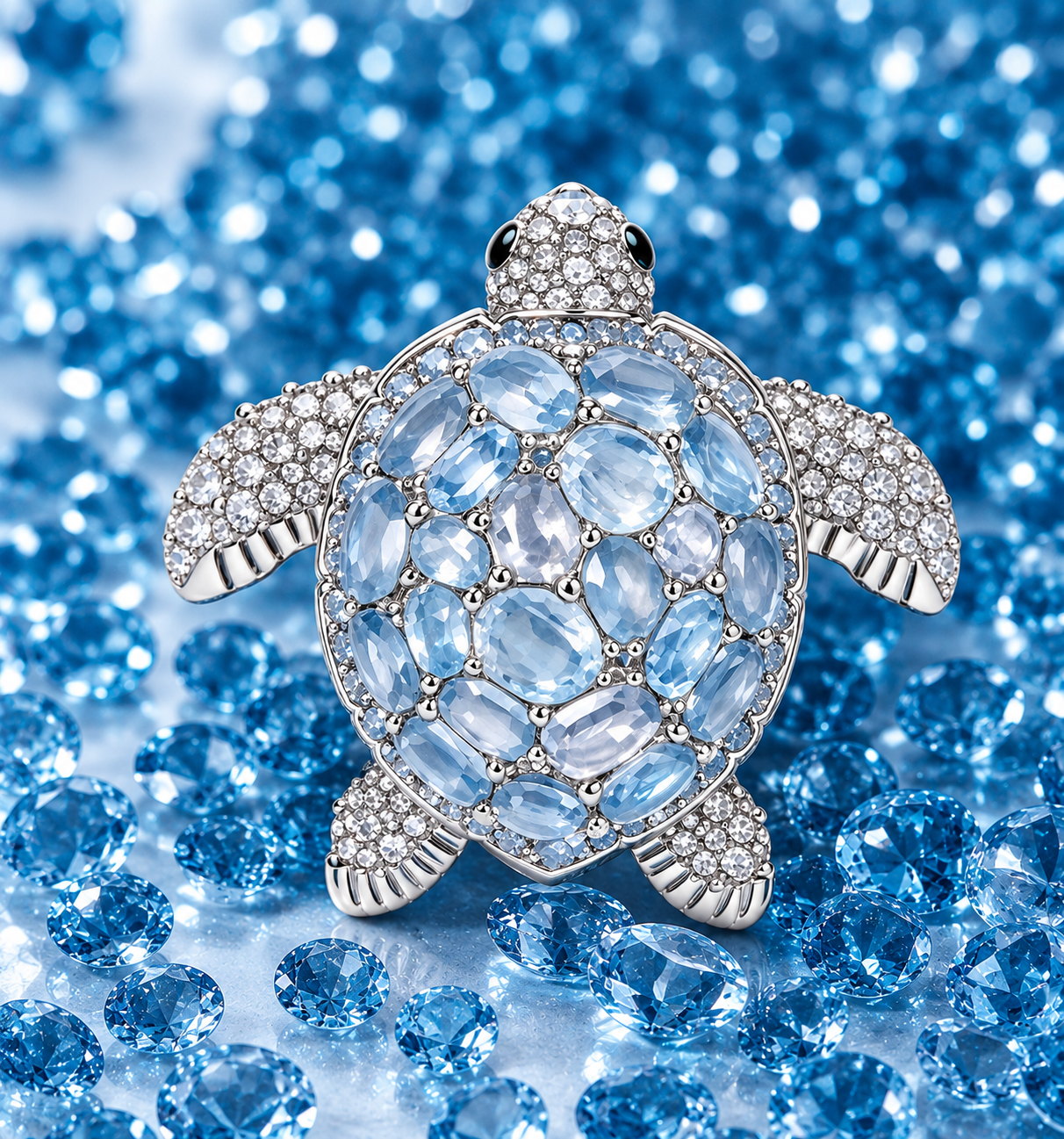
At MCGA Jewelry, we evaluate stone materials and manufacturing processes to help brands achieve more consistent colors and better finished-product quality.
2 Solutions to Prevent Stone Color Changes During Casting
| Comparison | Solution 1: Spinel Alternative | Solution 2: Hand Setting After Casting |
|---|---|---|
| Main approach | Replace selected CZ stones with suitable spinel | Install stones after metal casting |
| Heat exposure | Requires evaluation of spinel's thermal suitability | Avoids exposing the stones to casting heat |
| Color consistency | Depends on stone quality and specifications | Helps preserve the original stone color |
| Production process | Stone selection before casting | Casting first, stone setting afterward |
| Best for | Designs requiring alternative stone materials | Heat-sensitive stones and precise color matching |
| Key consideration | Test compatibility with the casting process | Requires additional manual setting work |
1. Why Does Cubic Zirconia Change Color During Casting?
Cubic zirconia (CZ) is a popular synthetic gemstone used in fashion jewelry because of its affordability, variety of colors, and attractive appearance.
However, not all colored CZ stones have the same thermal resistance.
During the jewelry casting process, the metal is heated to a high temperature before being poured into the mold. When stones are already placed in the wax model, they may be exposed to significant heat during production.
Some colored CZ stones, particularly those with certain color treatments, may not withstand these conditions.
Common problems include:
Color fading: The original color becomes lighter after casting.
Color variation: The finished stone looks different from the approved sample.
Color inconsistency: Stones from the same design may show noticeable differences.
Appearance changes: The stone may lose some of its original visual intensity.
For example, a deep blue or green stone in the original sample may appear noticeably lighter after casting.
This is why manufacturers need to consider not only the appearance of a gemstone but also its suitability for the manufacturing process.
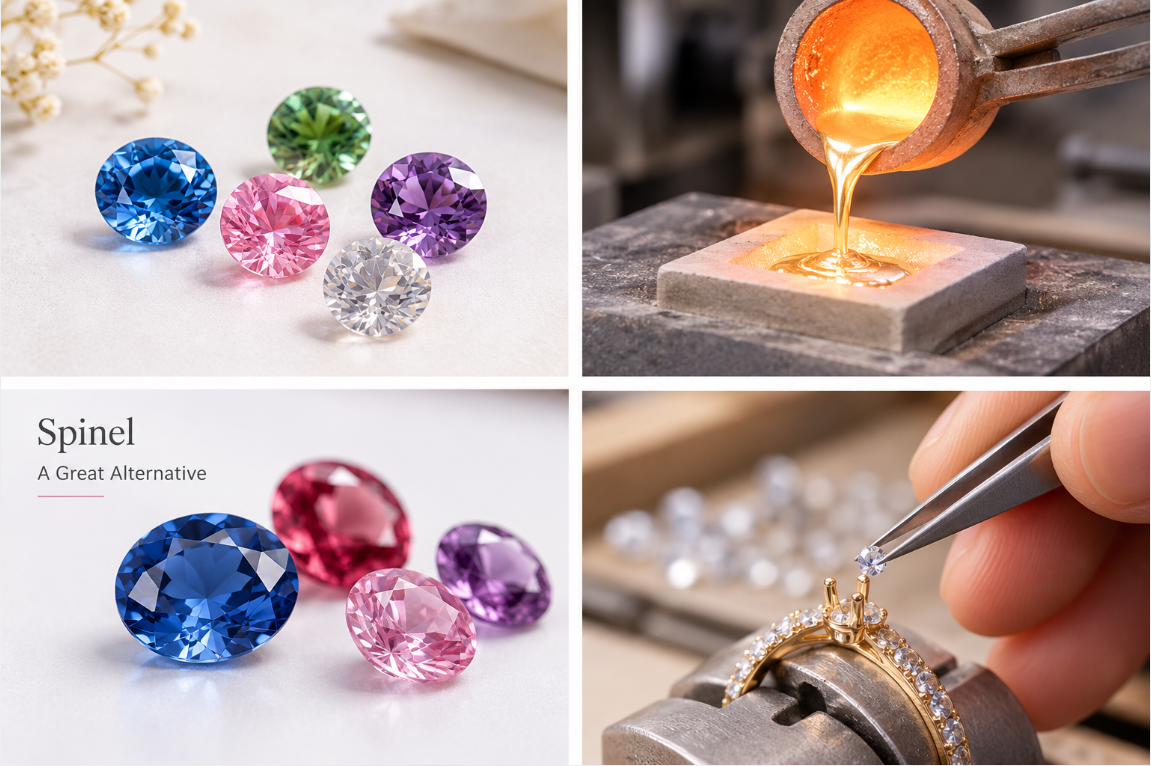
2. Solution One: Replace Colored CZ with Spinel
One possible solution is to consider spinel as an alternative to cubic zirconia.
Spinel is a gemstone available in various colors, including blue, red, pink, and purple. Depending on its composition and quality, it can offer good durability and suitable color stability for jewelry applications.
Compared with certain heat-sensitive colored CZ stones, selected spinel materials may be more suitable for specific production processes.
However, not every spinel can automatically withstand casting conditions. Its suitability depends on the material, treatment, and actual production temperature.
Before mass production, manufacturers should evaluate the selected stone through appropriate testing.
Advantages of using spinel:
Offers a variety of attractive colors.
Can be considered for designs requiring alternative gemstone materials.
May provide better suitability for certain manufacturing conditions.
Helps maintain the intended visual appearance when the correct material is selected and tested.
Best for: Jewelry designs where the original CZ color is difficult to maintain during the casting process and an alternative gemstone is acceptable.
3. Solution Two: Hand Setting After Casting
Another effective solution is to change the production sequence.
Instead of placing stones into the wax model before casting, manufacturers can complete the metal casting process first and install the stones afterward.
This method is known as hand setting after casting or post-casting stone setting.
How Does the Process Work?
Step 1: Jewelry Casting
The metal jewelry structure is produced through the normal casting process without the heat-sensitive stones installed.
Step 2: Metal Finishing
The cast jewelry is cleaned, polished, and prepared for stone setting.
Step 3: Hand Stone Setting
Experienced stone setters manually place and secure the cubic zirconia into the prepared settings.
Step 4: Final Quality Inspection
The finished jewelry is inspected for stone alignment, security, color consistency, and overall appearance.
Benefits of Hand Setting After Casting
Protects stone color: Stones avoid direct exposure to casting temperatures.
Better color matching: Helps maintain the appearance of the original approved sample.
Greater setting flexibility: Suitable for designs requiring specific stone colors.
Improved process control: Stone placement and alignment can be checked during manual setting.
However, this method may require additional labor and production time. The jewelry design must also allow suitable settings for manual stone installation.
Best for: Jewelry designs using heat-sensitive colored CZ, special gemstone colors, or products where sample-to-production color consistency is particularly important.
4. Pre-Casting Stone Setting vs. Post-Casting Hand Setting
Choosing the right setting method is important for both product quality and production efficiency.
| Factor | Pre-Casting Stone Setting | Post-Casting Hand Setting |
|---|---|---|
| Setting sequence | Stones installed before casting | Stones installed after casting |
| Heat exposure | Stones may be exposed to high temperatures | Stones avoid casting heat |
| Color protection | Depends on stone heat resistance | Better protection for heat-sensitive stones |
| Labor requirements | May reduce separate setting work | Requires additional manual labor |
| Design suitability | Suitable for compatible stones and designs | Suitable for designs allowing manual setting |
| Color consistency | Requires careful material testing | Better control over final stone color |
There is no single setting method suitable for every jewelry design. The best choice depends on gemstone characteristics, metal structure, setting design, and production requirements.
5. How to Prevent Stone Color Differences in Mass Production
For jewelry brands, the goal is not only to create an attractive sample but also to ensure that mass-produced pieces maintain the approved appearance.
Here are four important considerations:
1. Confirm Stone Specifications
Before sampling, confirm the gemstone material, color, size, and whether any special color treatments are involved.
2. Evaluate Heat Resistance
Do not assume that all colored CZ stones can withstand casting temperatures. Discuss the stone's thermal limitations with your manufacturer.
3. Select the Appropriate Setting Method
Choose between pre-casting setting and post-casting hand setting based on the stone's properties and jewelry design.
4. Approve a Production Sample
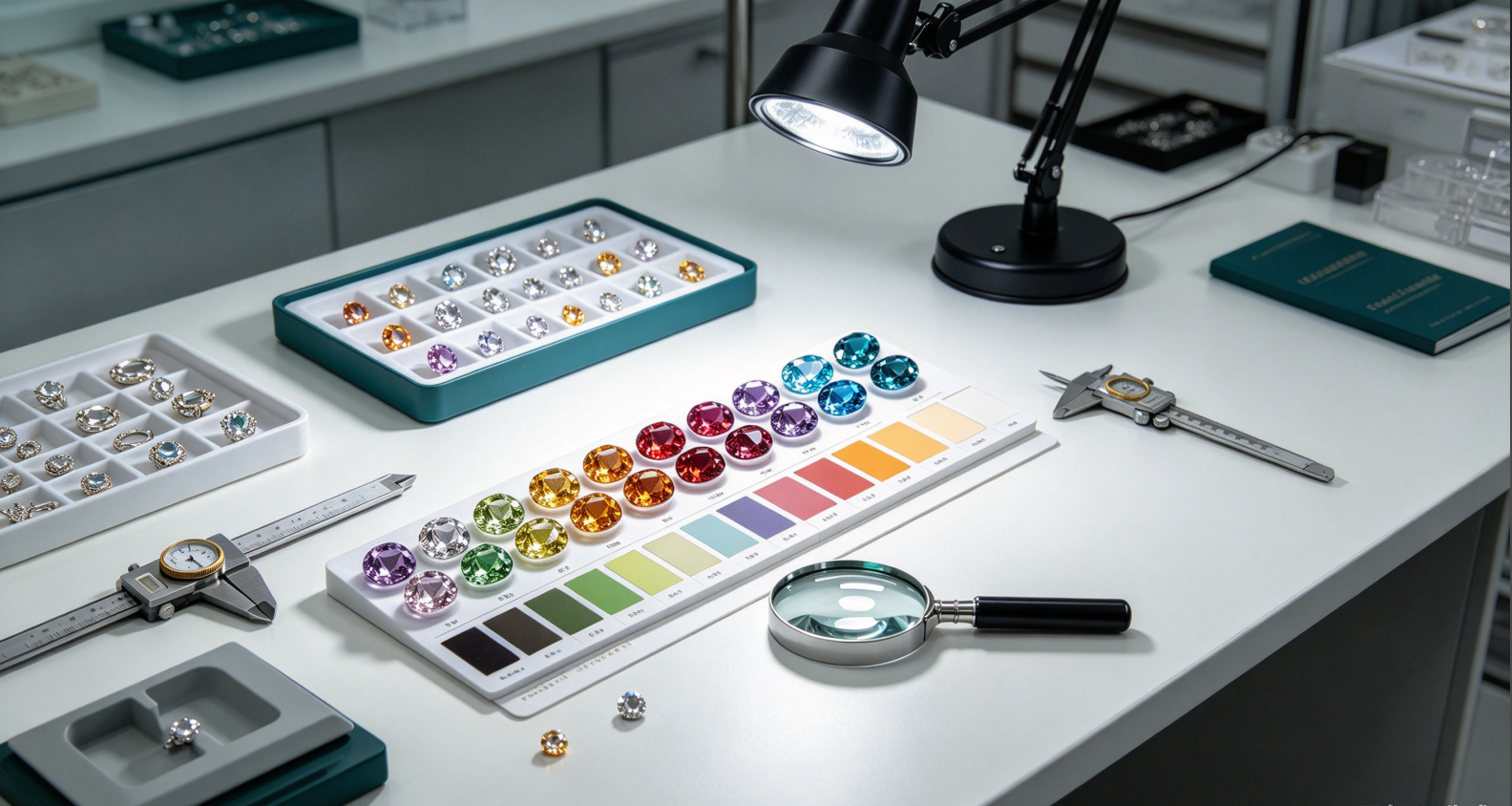
Before mass production, test the selected materials and manufacturing process. Compare the finished sample against the original color reference under consistent lighting conditions.
These steps can help reduce color differences, minimize production risks, and improve batch-to-batch consistency.
6. How MCGA Jewelry Helps with Gemstone Selection and Setting
At MCGA Jewelry, we understand that small material differences can have a significant impact on the final appearance of custom jewelry.
As a Vietnam jewelry manufacturer specializing in OEM and ODM production, we help jewelry brands evaluate different materials and production methods according to their design requirements.
Our manufacturing solutions include:
Gemstone Material Selection: Evaluating suitable CZ, spinel, and other gemstone options.
Custom Stone Setting: Supporting different stone-setting methods according to product structure.
Casting and Finishing: Integrating casting, polishing, and finishing processes.
Hand Stone Setting: Installing selected stones after casting when the design requires it.
Quality Control: Checking stone color, alignment, setting security, and finished-product consistency.