Introduction
Custom jewelry manufacturing starts with an idea, but turning that idea into a production-ready piece requires more than a beautiful drawing.
For jewelry brands, designers, and retailers, complex designs can create challenges during development. Small details, proportions, stone settings, wall thickness, and structural features all need to be considered before mass production.
At MCGA Jewelry, we combine digital design technology with professional jewelry manufacturing to make the development process more precise and efficient.
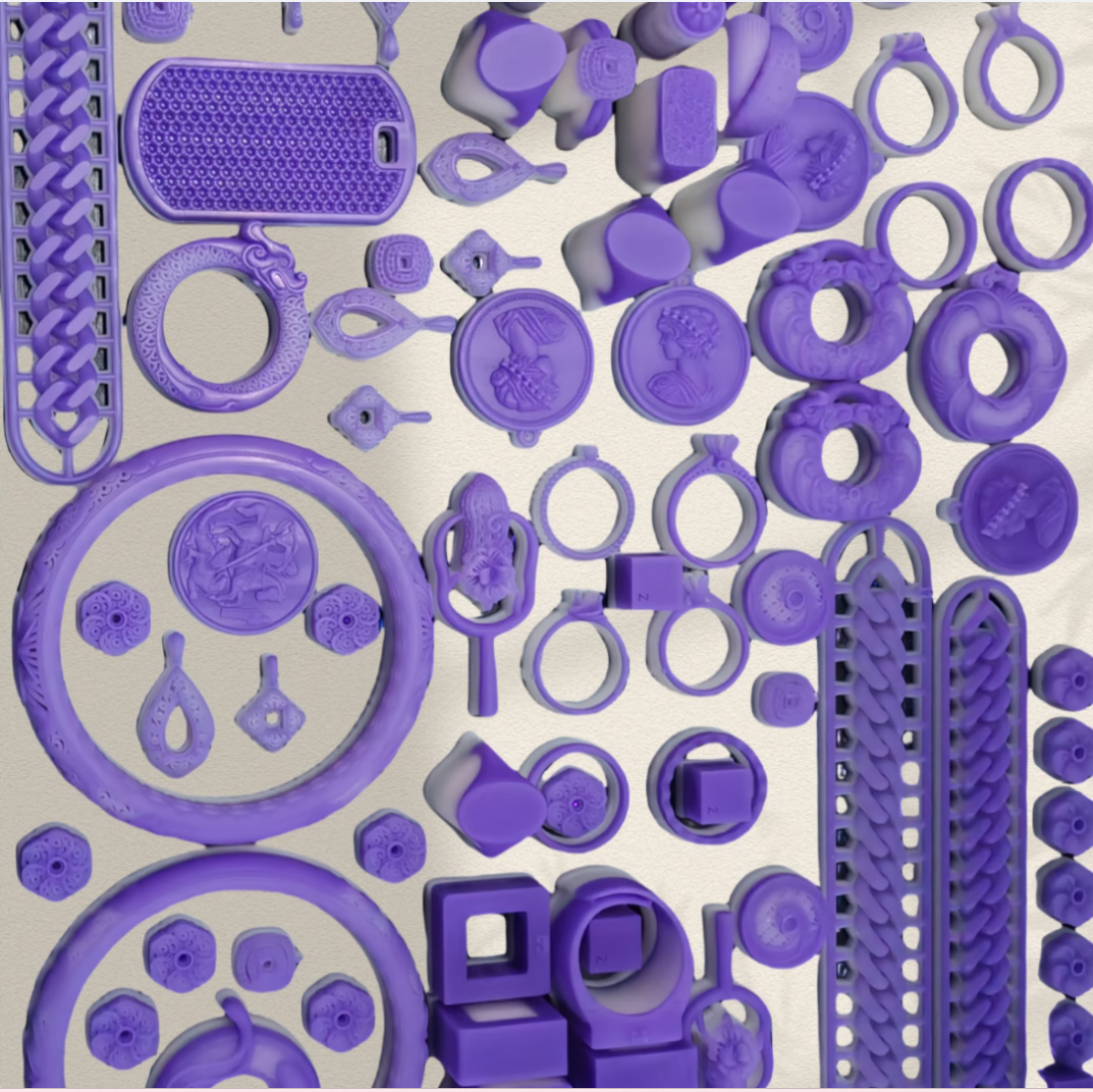
One important part of this process is high-resolution 3D printing, which allows a digital jewelry design to become a physical prototype before final production.
How 3D Printing Works in Custom Jewelry Manufacturing
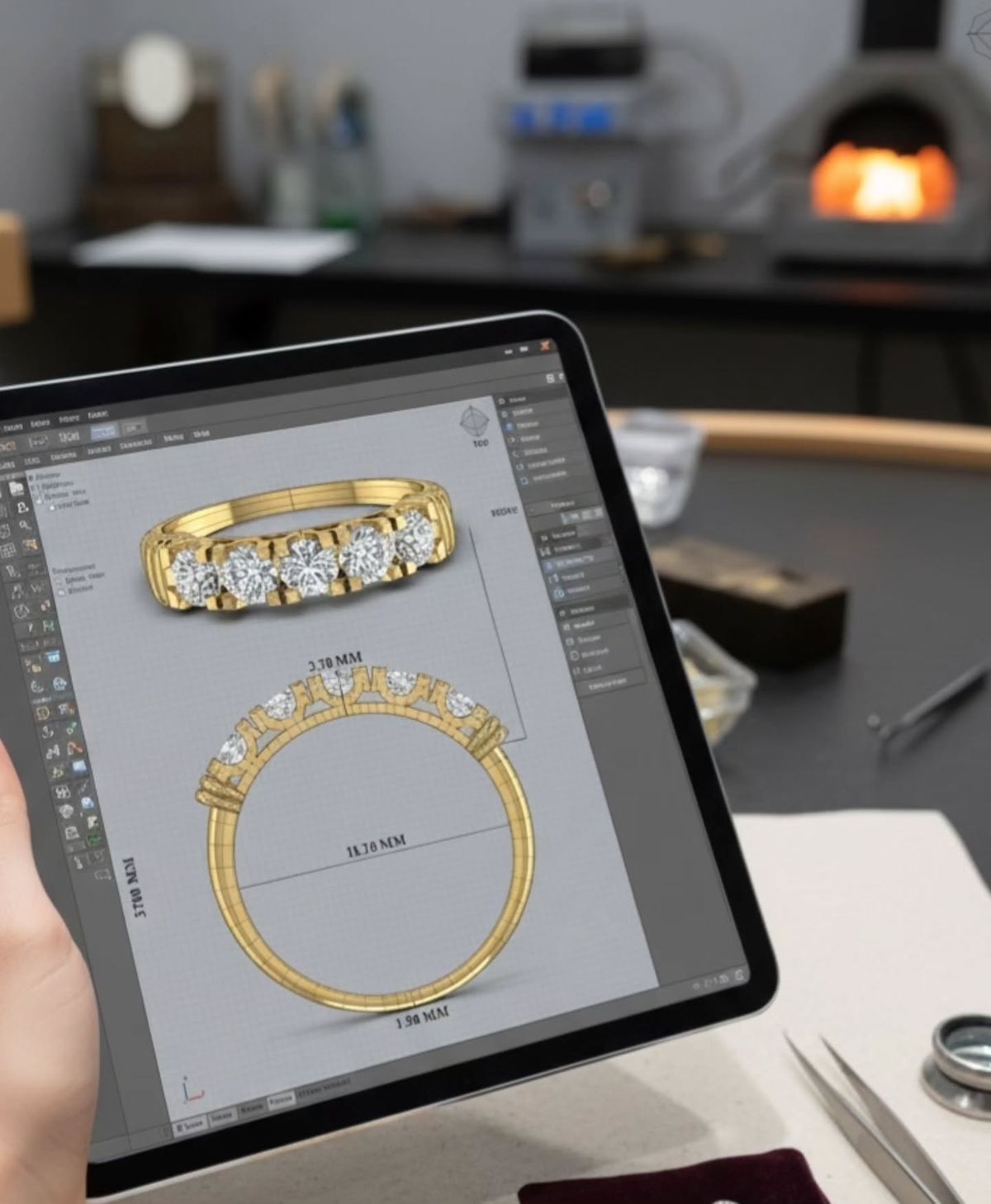
1. Turning Your Idea into a 3D CAD Design
The process starts with your design concept.
You can provide a sketch, reference image, technical drawing, or existing design. Our team can develop the concept into a detailed 3D CAD model.
At this stage, important production details can be reviewed, including:
Overall dimensions and proportions
Wall thickness
Stone-setting positions
Surface details
Connections and structural areas
Logo placement
Custom shapes and patterns
A 3D rendering allows you to review the design from different angles before physical production begins.
2. Creating a 3D-Printed Prototype
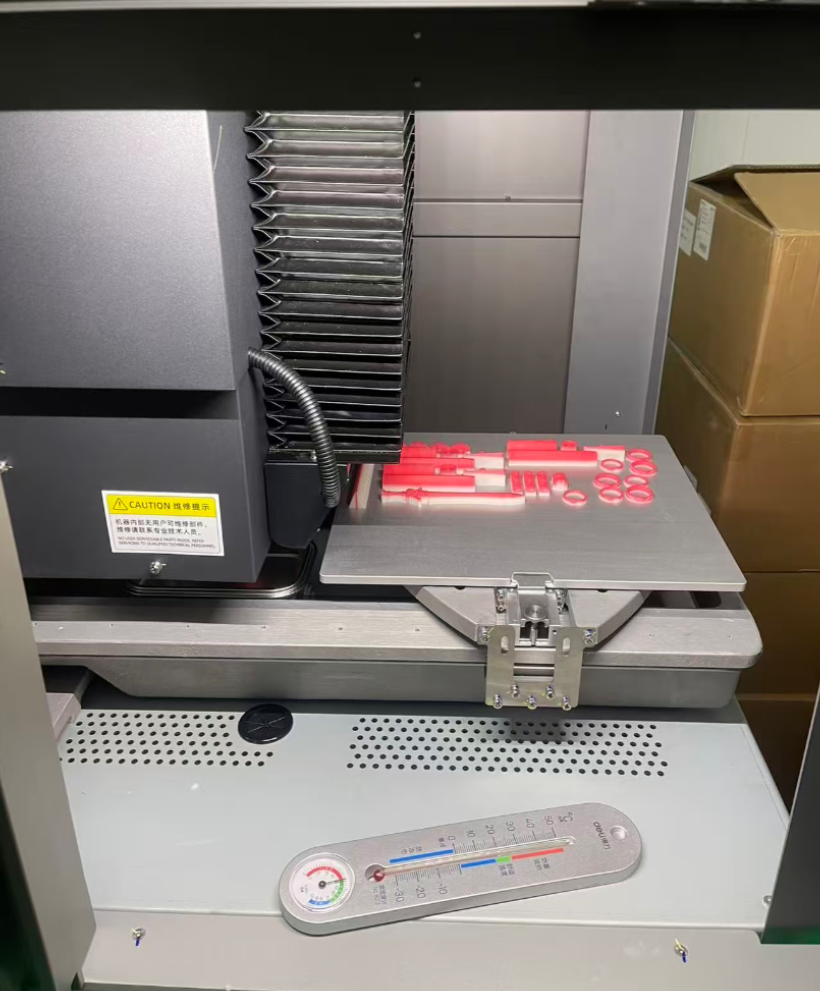
Once the CAD design is approved, a resin prototype can be produced using 3D printing technology.
Instead of evaluating the design only on a computer screen, you can physically inspect the prototype.
This makes it easier to identify issues such as:
A size that needs adjustment
Details that are too small
A shape that does not look as expected
A stone position that needs modification
Structural areas that may need reinforcement
For custom jewelry, finding these issues at the prototype stage can help reduce unnecessary changes during later production.
3. From Prototype to Jewelry Production
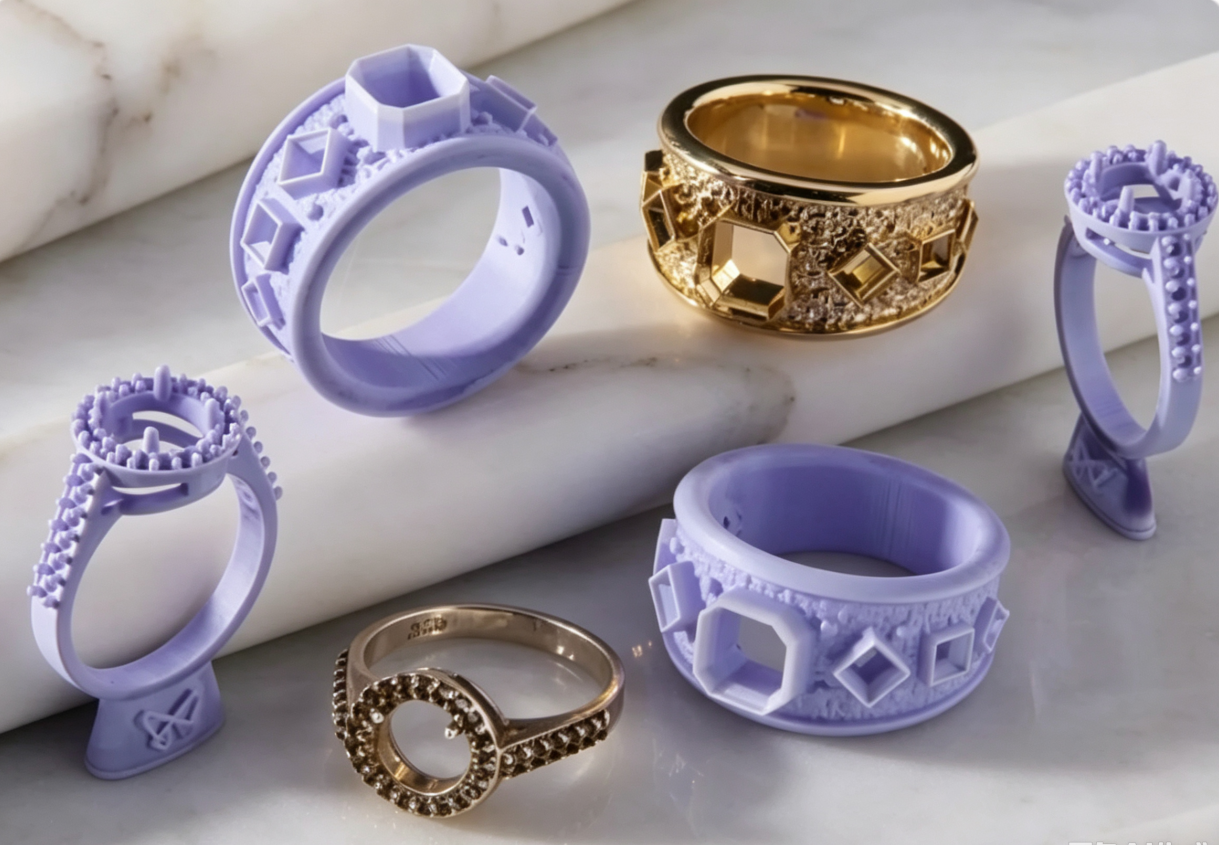
After the prototype is confirmed, the approved model can move into the appropriate manufacturing process.
Depending on the jewelry design and material, this may include lost-wax casting, metal casting, polishing, stone setting, plating, PVD finishing, assembly, and quality inspection.
This creates a connection between digital design and physical manufacturing.
The goal is not simply to produce a 3D-printed model, but to make sure the design can successfully move from CAD → prototype → production.
Why 3D Printing Matters for Jewelry Brands
Better Design Verification
A digital rendering can show how a jewelry piece looks, but a physical prototype provides another level of evaluation.
You can check the actual proportions, dimensions, thickness, and overall appearance before approving production.
More Freedom for Complex Designs
3D printing makes it easier to develop jewelry with intricate patterns, detailed textures, unusual shapes, and complex structures.
This is particularly useful for custom jewelry and OEM/ODM projects where every design may have different production requirements.
Faster Development and Adjustments
Traditional development methods can require multiple rounds of manual work.
With digital CAD and 3D printing, design changes can be made digitally and new prototypes can be produced more efficiently.
This can help brands shorten the product development cycle.
Better Communication Between Brand and Factory
A 3D model provides a clear visual reference for both the customer and manufacturing team.
Instead of relying only on drawings or verbal descriptions, both sides can work from the same digital model.
This helps reduce misunderstandings during custom jewelry development.
3D Printing and Different Jewelry Materials
3D printing is mainly used during the design and prototyping stage. The final jewelry does not necessarily need to be 3D printed.
Once the prototype and production model are approved, the design can move into the appropriate manufacturing process and material.
At MCGA, we support custom jewelry development across materials including:
316L Stainless Steel
Brass
925 Silver
Gold Vermeil
Titanium Alloy
Other materials according to project requirements
This allows brands to develop the same or similar design concepts for different product collections and market positions.
From Digital Craftsmanship to Mass Production
The real value of 3D printing in jewelry manufacturing is not simply creating a prototype.
It is about creating a smoother connection between design development and mass production.
At MCGA Jewelry, our manufacturing capabilities cover multiple stages of the production process, including design development, prototyping, casting, polishing, stone setting, surface treatment, plating, PVD, assembly, and quality control.
This integrated approach helps reduce communication gaps between different production stages and gives brands a clearer path from their original idea to finished jewelry.
Why Work with an Experienced Custom Jewelry Manufacturer?
Technology is only one part of successful jewelry development.
A professional manufacturing partner also needs to understand how a design will perform during actual production.
An experienced factory can help identify potential problems before mass production, suggest appropriate manufacturing methods, and adjust designs according to material and production requirements.
For brands developing new collections, this can help control development costs, improve production efficiency, and reduce avoidable manufacturing problems.