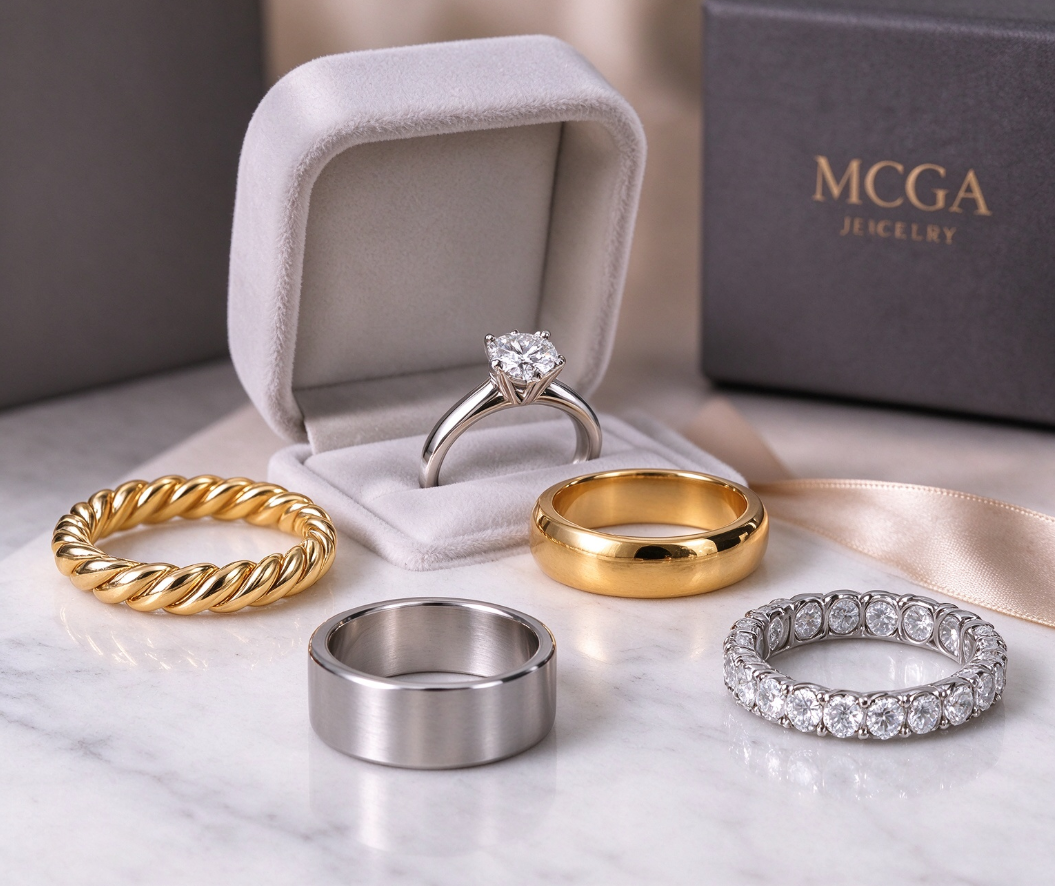
Ring size is one of the most important details in jewelry design. A beautifully crafted ring may feature carefully selected materials, sparkling gemstones, and an excellent finish. However, if the ring does not fit properly, the overall wearing experience can be disappointing.
For jewelry brands, offering multiple ring sizes is only part of the solution. Understanding whether a ring can be resized after production is equally important.
Some rings can be adjusted relatively easily, while others have complex structures that make resizing difficult or impractical.
For brands developing custom jewelry collections, these considerations should be addressed during the design and manufacturing stages.
In this guide, MCGA Jewelry, a professional jewelry manufacturer in Vietnam, explains how ring resizing works, which designs are easier to adjust, and what brands should consider before starting custom ring manufacturing.
1. What Is Ring Resizing?
Ring resizing is the process of changing a ring's circumference to achieve a better fit.
Depending on the design and material, a jeweler may increase or decrease the ring size through several methods:
Removing a section of metal to make the ring smaller.
Adding metal to increase the ring size.
Carefully stretching certain simple metal bands.
Using internal sizing adjustments for specific designs.
However, not every method is suitable for every ring.
The correct approach depends on the ring material, band structure, gemstone settings, surface finish, and required size adjustment.
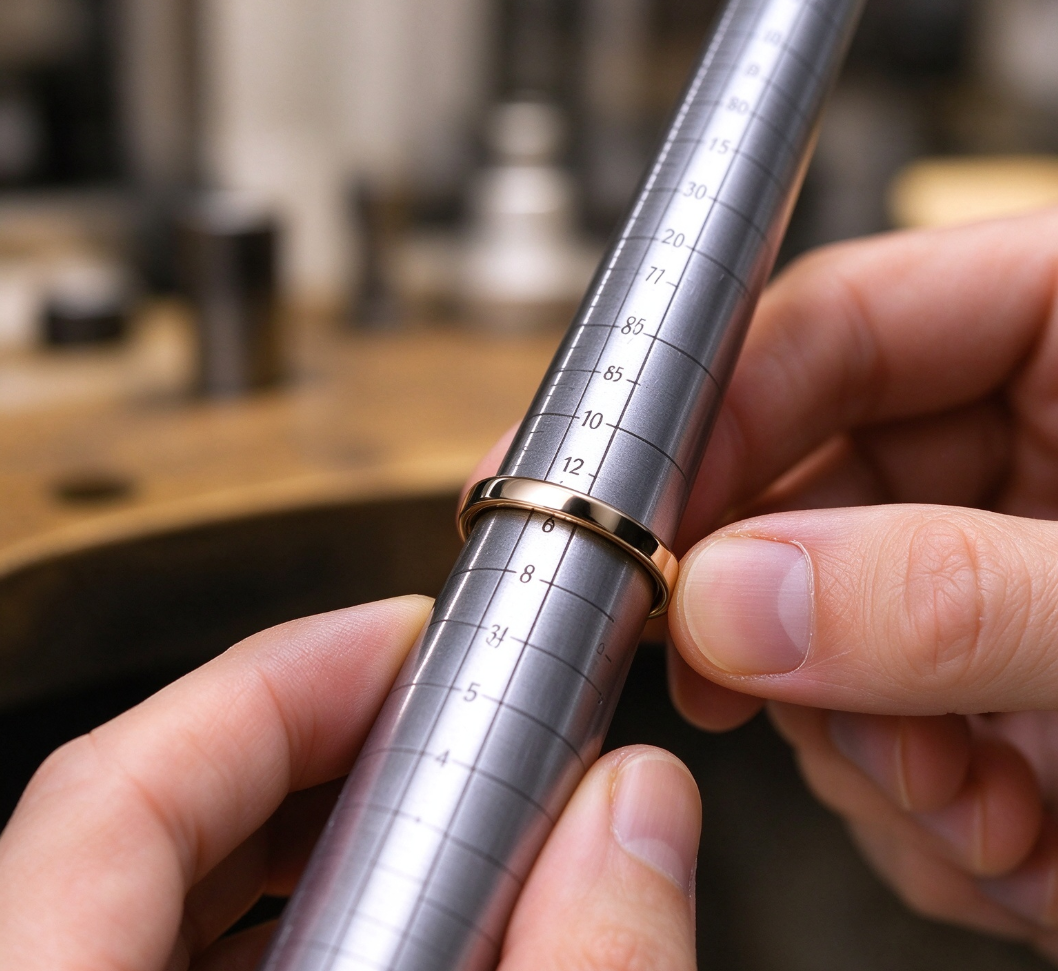
2. Which Ring Designs Are Easier to Resize?
Simple metal bands are generally easier to resize than rings with complicated gemstone settings or decorative patterns.
For example, a plain metal wedding band usually offers more flexibility because its structure does not contain multiple stones or continuous decorative elements.
Rings with a relatively simple lower shank may also provide more room for future adjustments.
For brands developing custom rings, manufacturers can consider leaving a suitable plain section at the bottom of the band.
This can make future resizing more practical, depending on the material and construction.
3. Which Ring Designs Are Difficult to Resize?
Some ring designs require special attention because resizing may affect their structure or appearance.
Full Eternity Rings
Full eternity rings feature gemstones around the entire band. Changing the circumference may affect stone spacing, alignment, and setting security.
In many cases, conventional resizing may not be practical.
Tension-Set Rings
Tension settings hold gemstones through carefully controlled metal pressure. Adjusting the ring size may affect the structure supporting the stone.
Specialist evaluation is necessary before attempting any modification.
Intricate Engraved Bands
Rings with continuous engraving or decorative patterns may lose part of their original design during resizing.
Multi-Stone Rings
Changing the band circumference can affect the alignment and security of multiple stones.
For jewelry brands, these limitations should be considered before offering resizing services.
4. How Does Ring Material Affect Resizing?
Different metals respond differently to heat, pressure, and mechanical processing.
| Material | Resizing Considerations |
|---|---|
| 14K Gold | Often suitable for resizing, depending on alloy and construction |
| 18K Gold | Can often be resized by experienced jewelers |
| 925 Sterling Silver | Generally adjustable, but delicate settings and finishes require care |
| Brass | Resizing depends on construction, thickness, and surface finishing |
| Stainless Steel | Conventional resizing is generally difficult and may not be practical |
For brands working with different jewelry materials, material selection should consider not only appearance and durability but also future after-sales requirements.
For example, 316L stainless steel jewelry is widely used in modern jewelry collections, but its mechanical properties and manufacturing methods make conventional ring resizing more challenging.
Therefore, accurate sizing before production is especially important for stainless steel rings.
5. Why Does Ring Band Thickness Matter?
Band thickness directly affects a ring's structural strength and wearing comfort.
Very thin bands may have limited material available for resizing or future repairs. On the other hand, unnecessarily thick bands can increase product weight and material costs.
The ideal dimensions depend on:
Ring design and overall dimensions.
Selected metal material.
Ring size.
Gemstone setting structure.
Expected wearing comfort.
During custom jewelry development, manufacturers should evaluate band thickness according to the specific design rather than applying one standard dimension to every product.
6. How Do Stone Settings Affect Ring Resizing?
Gemstone settings are another important factor in determining whether a ring can be resized safely.
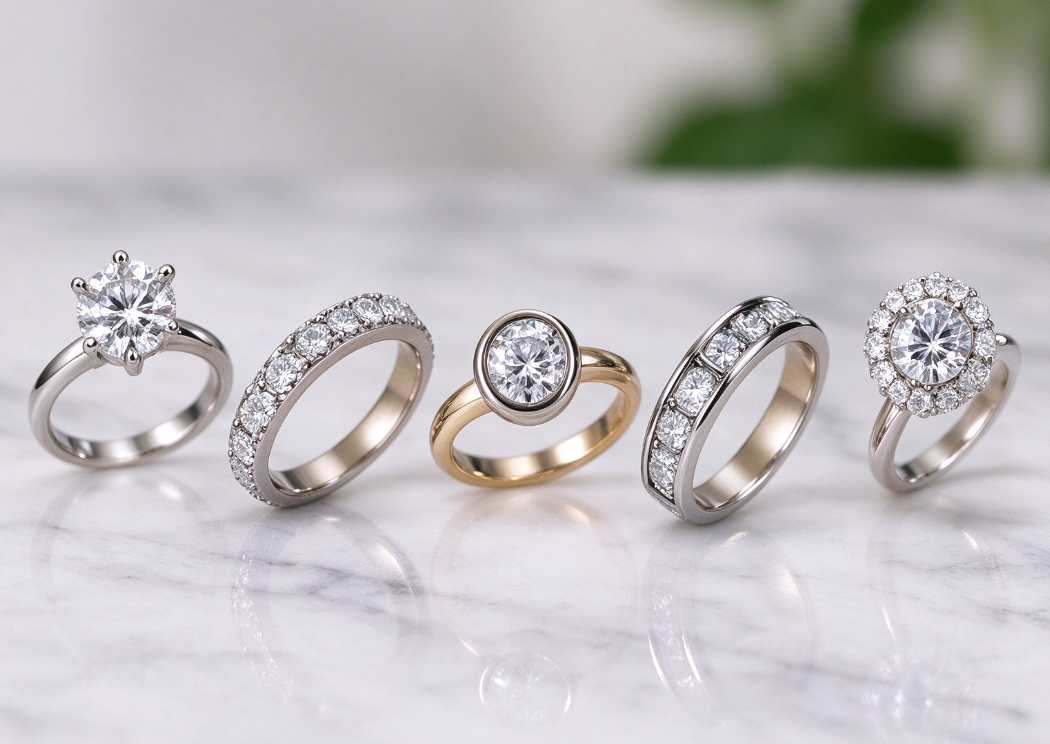
Common gemstone setting methods include:
Prong Setting
Bezel Setting
Pavé Setting
Channel Setting
Halo Setting
For example, resizing a pavé ring may affect the spacing between small stones. Similarly, changing the circumference of a channel-set ring may influence the alignment of the gemstones.
For valuable gemstone jewelry, stone security should always be inspected before and after resizing.
At MCGA, gemstone setting is one of the important processes considered during custom jewelry development and production.
7. Why Should Ring Resizing Be Considered During CAD Design?
The CAD development stage provides an opportunity to evaluate ring dimensions and structural requirements before manufacturing begins.
For suitable ring designs, the development team can review:
Lower-shank structure.
Gemstone placement.
Band width and thickness.
Engraving location.
Decorative patterns.
Potential adjustment areas.
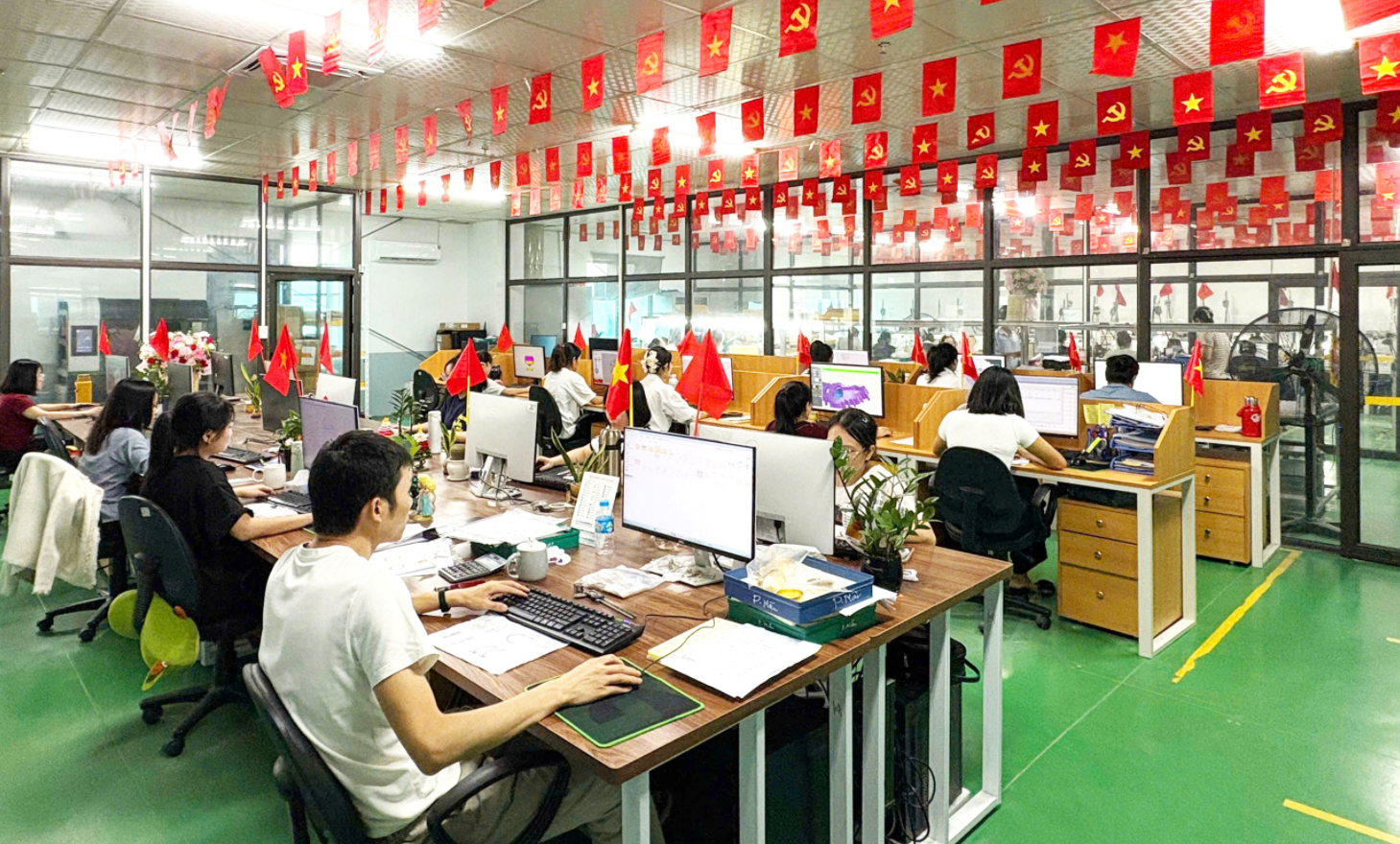
At MCGA Jewelry, our custom development process connects design evaluation with manufacturing feasibility.
Our team can help review ring structures, dimensions, and production requirements before sampling.
Although CAD design cannot guarantee that every ring will be resizable, early evaluation helps identify potential manufacturing limitations.
8. Why Do Wide Rings Feel Tighter?
A wide ring may feel tighter than a narrow ring with the same internal circumference.
This is because a wider band contacts a larger area of the finger.
This is particularly important when developing:
Wide wedding bands.
Statement rings.
Chunky stainless steel rings.
Wide brass fashion rings.
For jewelry brands, it is important to consider band width when preparing ring size charts and product descriptions.
A single sizing recommendation may not work equally well for every ring design.
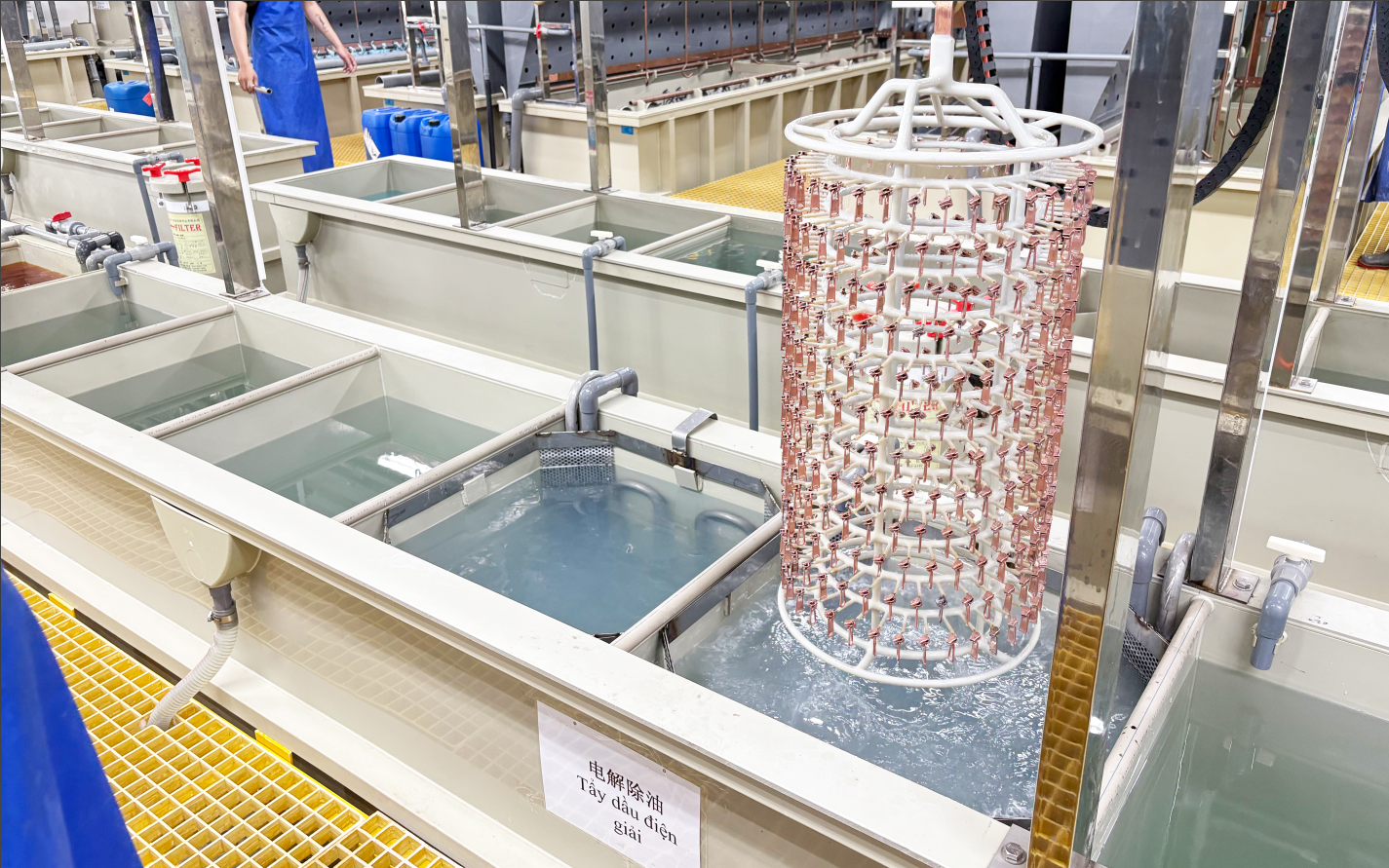
9. Can Ring Resizing Affect Plating and Surface Finishing?
Yes. Resizing may involve cutting, joining, heating, polishing, and other processes that can affect the original surface finish.
For plated jewelry, the modified area may require additional finishing or replating.
Different surface treatments may also require different restoration processes:
PVD Gold Plating: Additional finishing may be required if the coating is affected.
Electroplating: The altered area may need replating to achieve consistent color.
Brushed Finish: The original surface texture may need to be restored.
Matte Finish: Additional polishing or surface treatment may be necessary.
For brands developing gold-plated brass jewelry or stainless steel collections, it is important to understand these limitations before establishing an after-sales resizing policy.
10. How Can Engraving Affect Ring Resizing?
Personalized engraving is popular for wedding bands and custom jewelry collections.
However, engraving placed near the resizing area may be damaged, distorted, or removed during adjustment.
For rings that may require future resizing, brands should carefully consider engraving placement during the design stage.
This is especially important for rings featuring:
Inside-band messages.
Names and initials.
Dates and personalized details.
Continuous decorative patterns.
11. How Much Can a Ring Be Resized?
There is no universal resizing limit that applies to every ring.
The possible adjustment depends on several factors:
Ring design.
Metal material.
Band dimensions.
Gemstone settings.
Original ring size.
Required size change.
A simple metal band may allow more adjustment than a full eternity ring or a complicated multi-stone design.
For this reason, jewelry brands should avoid promising a fixed resizing range without evaluating the specific product.
12. Why Is Sample Testing Important Before Bulk Production?
Physical samples allow brands to evaluate ring fit, comfort, and actual product dimensions before approving mass production.
During sampling, consider checking:
Internal diameter and circumference.
Band width and thickness.
Edge comfort.
Overall weight.
Setting height.
Gemstone security.
Actual wearing experience.
For collections offered in multiple sizes, manufacturers should also evaluate how the design changes across the size range.
At MCGA Jewelry, sample development and quality inspection help ensure that approved product specifications are properly communicated before bulk manufacturing.
13. How Can Manufacturers Maintain Consistent Ring Sizes?
Ring size should be treated as an important manufacturing specification rather than simply a design reference.
For consistent ring size production, brands and manufacturers should confirm:
Ring sizing system.
Internal diameter or circumference.
Measurement method.
Approved manufacturing tolerances.
Band width and thickness.
Surface finishing requirements.
US, UK, and European ring sizing systems are different.
Brands selling internationally should provide clear sizing references and confirm the actual dimensions before production.
During quality control, finished rings should be checked against approved specifications to maintain batch consistency.
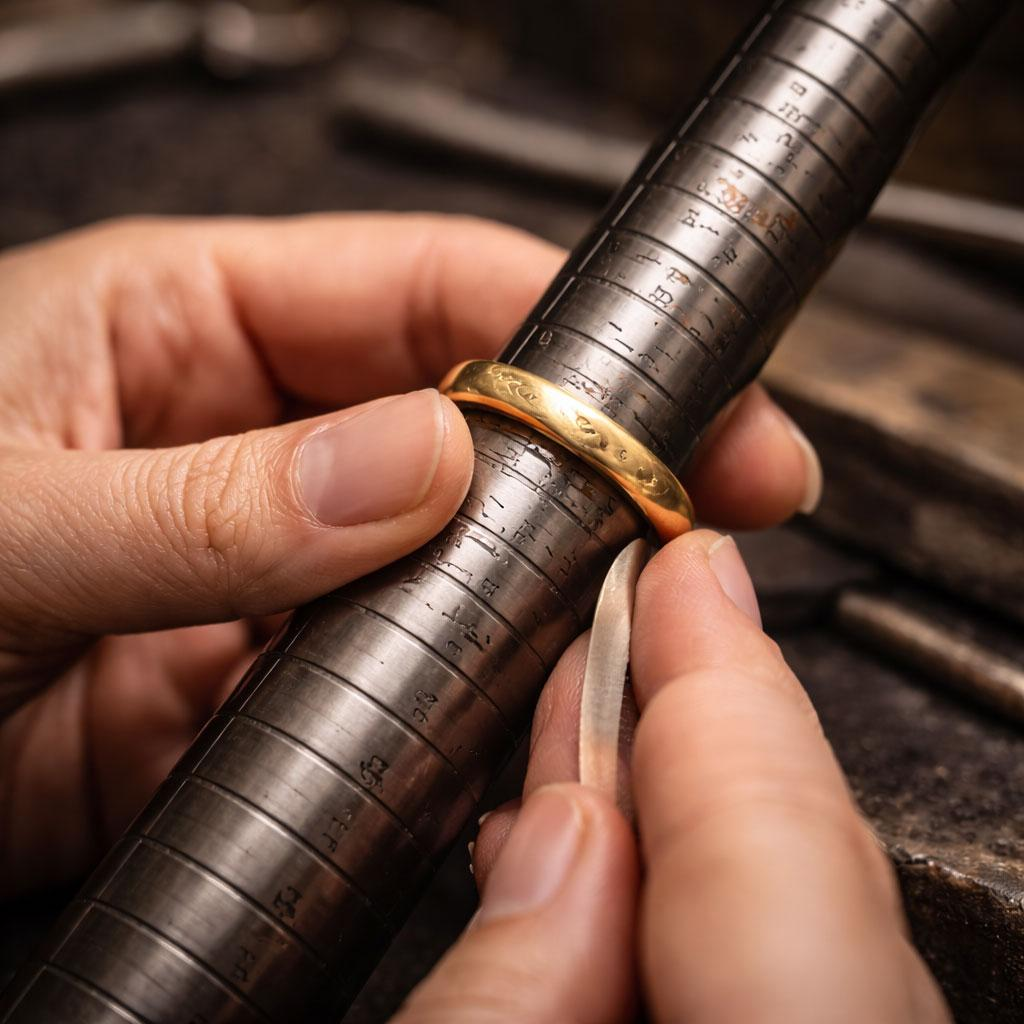
14. How Should Jewelry Brands Develop a Ring Resizing Policy?
A clear resizing policy helps customers understand their options and reduces unnecessary after-sales issues.
Brands should communicate:
Which ring designs can be resized.
Which designs cannot be adjusted.
Whether resizing is included in after-sales service.
Possible additional fees.
Expected turnaround time.
Whether personalized rings are eligible.
Whether resizing may affect plating or engraving.
For designs that cannot be safely resized, an exchange or replacement policy may be a more practical solution.
15. How Can Better Ring Sizing Information Reduce Returns?
Many sizing problems can be prevented before customers place their orders.
Jewelry brands can improve the purchasing experience by providing:
Accurate ring size charts.
Band width and thickness information.
Clear measurement instructions.
Product dimension details.
Fit recommendations for wide rings.
Transparent return and resizing policies.
The same nominal ring size may feel different depending on the design and band width.
Providing detailed sizing information helps customers make more confident purchasing decisions.
Custom Ring Manufacturing with MCGA Jewelry
At MCGA Jewelry, we support jewelry brands, wholesalers, retailers, and designers with professional OEM and ODM jewelry manufacturing in Vietnam.
Our manufacturing capabilities cover different materials and production processes, including:
316L Stainless Steel Jewelry
Brass Jewelry
925 Sterling Silver Jewelry
Custom Gold and Silver Jewelry Development
CAD Design and 3D Modeling
Custom Mold Development
Casting and CNC Processing
Welding and Precision Polishing
PVD and Water Plating
Gemstone Setting
Quality Inspection and Packaging