
Introduction
Turning a jewelry idea into a finished product involves much more than sending a drawing to a factory and starting bulk production.
For custom jewelry, jewelry sampling is an important step between design development and mass production.
A physical sample allows brands to check the design, dimensions, materials, stone setting, finishing, logo placement, and overall craftsmanship before committing to a larger order. It can also reveal production issues that may not be obvious in a drawing, rendering, or CAD model.
For jewelry brands, retailers, wholesalers, and designers, approving a sample before bulk production can help reduce production risks, control costs, and create a clearer quality standard.
In this guide, MCGA Jewelry explains how the sampling process works and why it is an important part of custom jewelry manufacturing.
What Is Jewelry Sample Development?
Jewelry sample development is the process of creating a physical jewelry piece based on the buyer's approved design before mass production begins.
Depending on the project, the process may include:
Design and technical review
CAD modeling
3D rendering
Wax model or prototype development
Casting or forming
Stone setting
Welding or assembly
Hand polishing
Surface finishing
PVD or electroplating
Final inspection
The completed sample gives the buyer a physical reference that can be evaluated before the production order moves forward.
For custom jewelry, this is especially important because digital drawings cannot always show the actual weight, proportions, surface details, comfort, or craftsmanship of the finished piece.
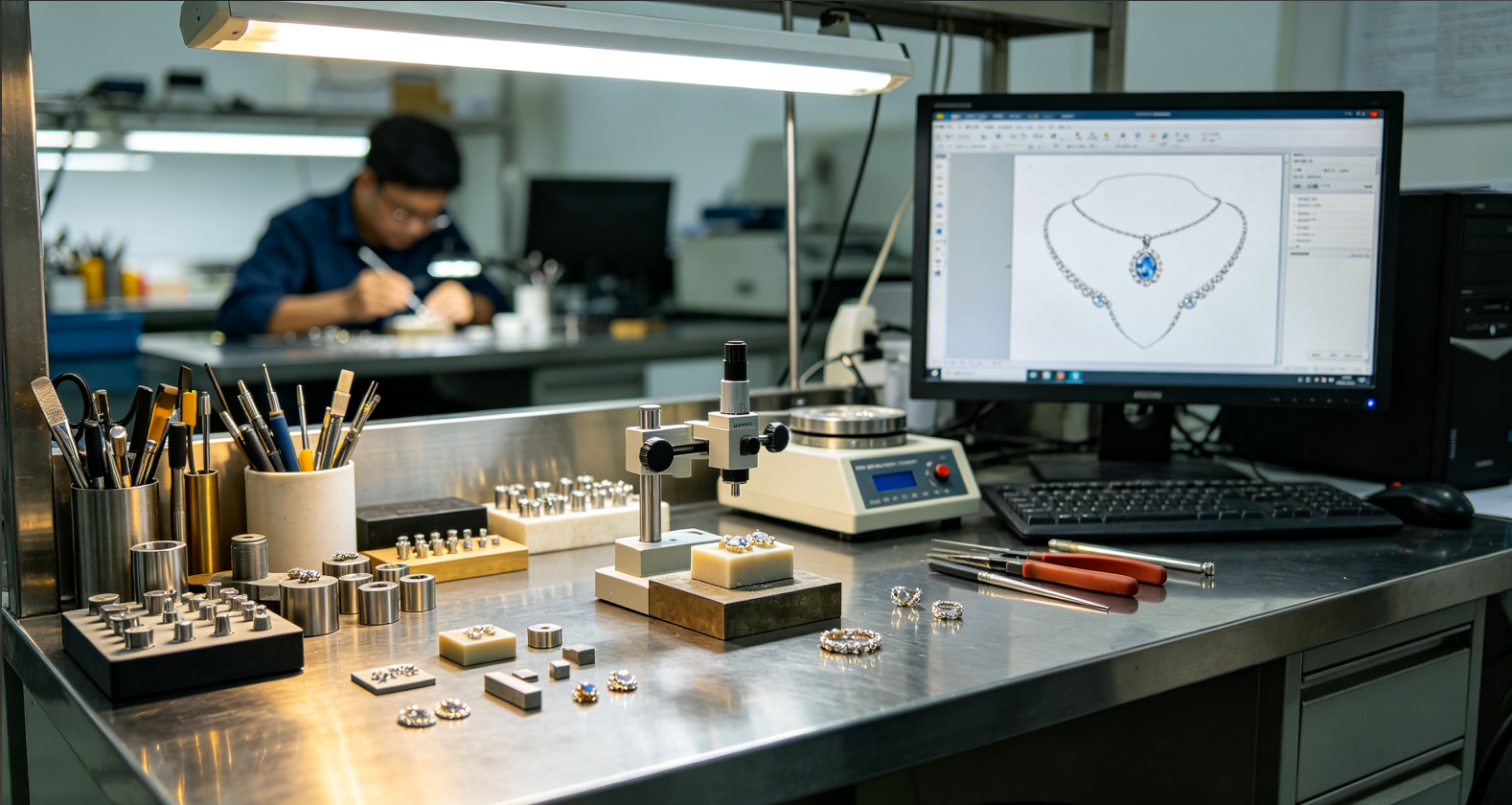
Why Is a Jewelry Sample Necessary?
A design can look perfect on a computer screen but perform differently as a physical product.
For example, a ring may look balanced in CAD but feel too thick or heavy when worn. A pendant may require a stronger connection point. A bracelet clasp may need adjustment for easier use. Small stones may require changes to the setting structure.
A physical sample allows both the buyer and the jewelry manufacturer to identify these issues before bulk production.
Making a design adjustment during the sampling stage is generally much easier than correcting hundreds or thousands of finished pieces.
1. Check the Actual Size and Proportions
Dimensions can be difficult to judge accurately from a rendering or product drawing alone.
A physical sample allows buyers to check:
Ring width and thickness
Pendant size
Chain length
Earring dimensions
Bracelet proportions
Logo size and position
Overall product weight
This is particularly important for jewelry designed for everyday wear.
A product should not only look attractive. It should also have practical proportions and feel comfortable for the intended customer.
For B2B buyers, checking these details before bulk production can help prevent unnecessary modifications later.
2. Confirm the Material
Material selection affects the appearance, weight, durability, production process, and final cost of jewelry.
Depending on the design and target market, custom jewelry may be produced using materials such as:
316L stainless steel
Brass
Titanium alloy
Zinc alloy
925 sterling silver
Gold and other precious-metal options
Natural or lab-grown gemstones
During the sampling stage, buyers can confirm whether the selected material works well with the design and finish.
At MCGA Jewelry, our Vietnam manufacturing facility supports multiple jewelry materials and production processes, allowing brands to develop different product collections according to their positioning and target market.
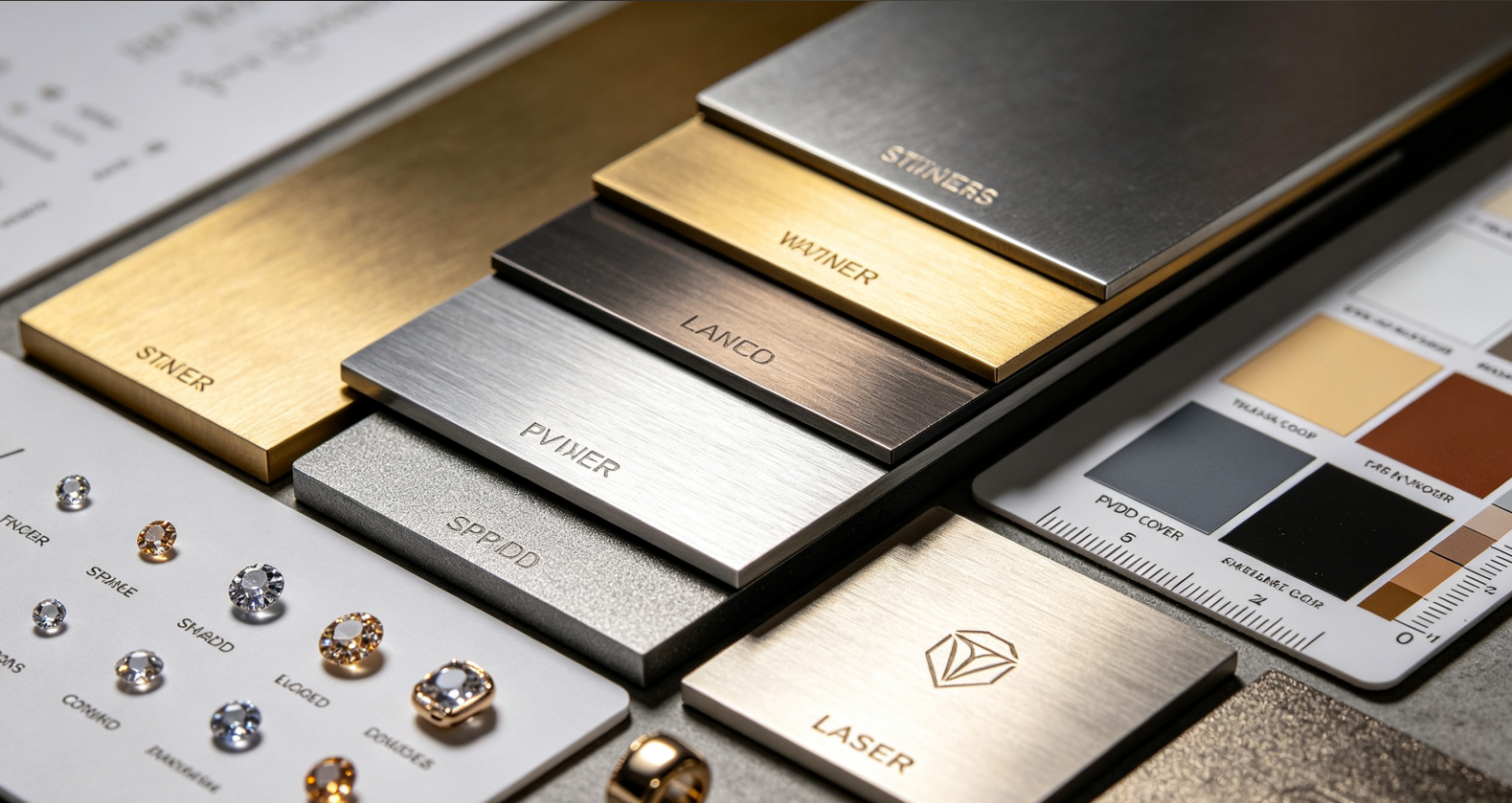
3. Inspect Stone Setting and Small Details
For jewelry featuring gemstones or zirconia, stone setting is an important part of sample inspection.
A buyer should check:
Stone alignment
Setting consistency
Stone security
Spacing between stones
Surface appearance
Overall symmetry
Different designs may require different setting methods, depending on the structure and stone size.
Sampling gives the manufacturer an opportunity to identify potential structural or setting issues and make adjustments before bulk production.
For custom jewelry, these small details can have a significant impact on the final appearance of the collection.
4. Review Surface Finishing and Plating
Surface finishing can strongly influence the appearance and perceived quality of jewelry.
During sample approval, buyers can evaluate:
Polishing
Brushing
Sandblasting
Surface texture
Engraving
PVD color
Electroplating
Logo details
Overall surface consistency
For plated jewelry, the sample also allows the buyer to confirm whether the color and finish match the intended product specification.
At MCGA Jewelry, we have in-house PVD and water plating capabilities, giving us greater control over the finishing process and helping maintain consistency between approved samples and bulk production.
5. Test Wearability and Function
Jewelry is designed to be worn, so practical performance should be considered before mass production.
For example:
Rings should have suitable thickness and comfortable inner surfaces.
Earrings should maintain appropriate proportions and weight.
Bracelets should have functional clasps and suitable movement.
Necklaces should hang naturally and have reliable connection points.
Chains should provide the appropriate balance between appearance, strength, and flexibility.
A physical sample allows brands to test these details before the product enters full-scale production.
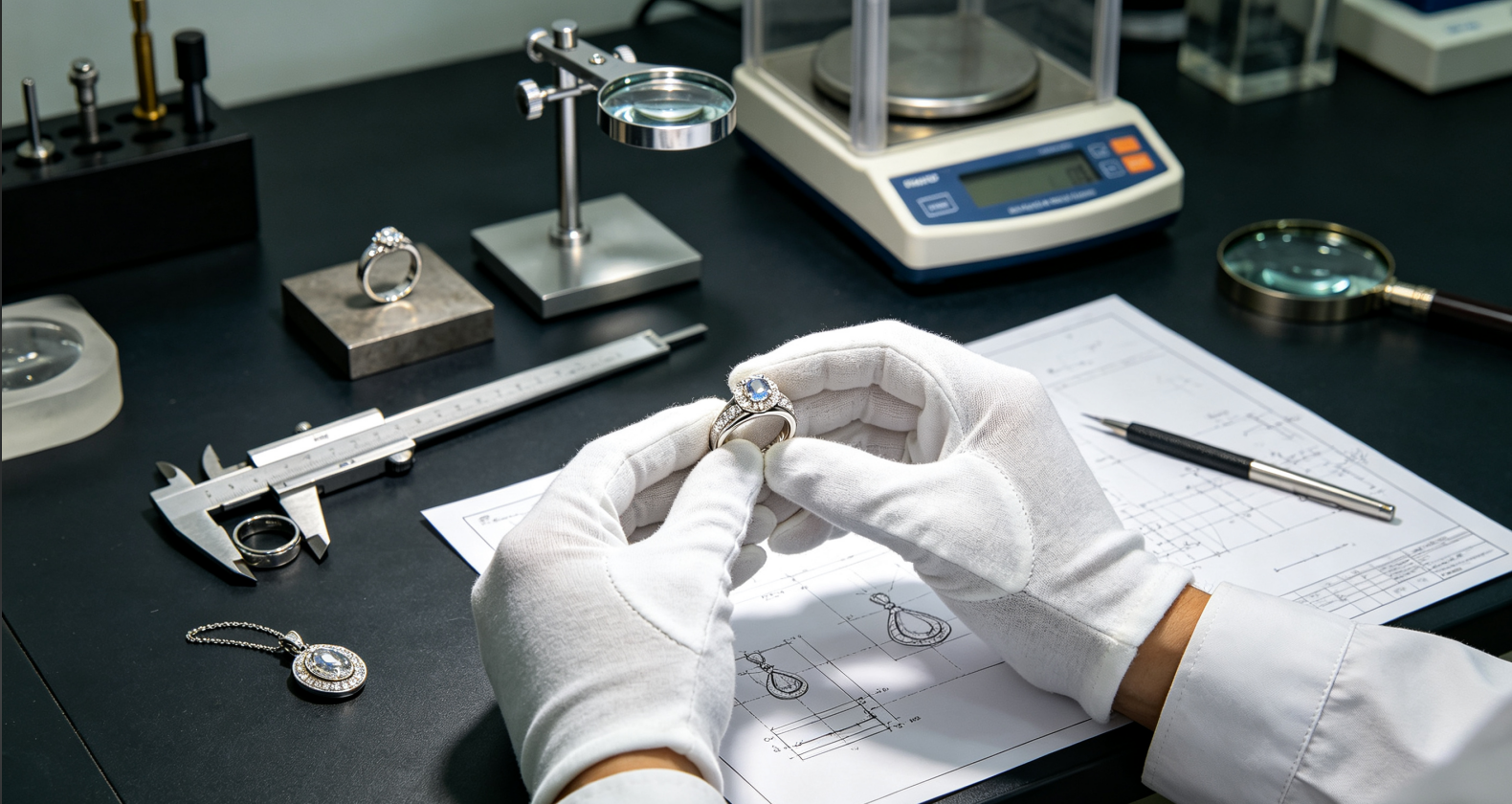
6. Make Design Changes Before Bulk Production
One of the biggest advantages of sampling is the opportunity to make changes before committing to mass production.
After reviewing a sample, a buyer may decide to adjust:
Product dimensions
Material thickness
Stone size
Chain length
Clasp structure
Logo position
Surface finish
PVD or plating color
Product weight
These changes can usually be incorporated into the technical specifications before production begins.
Once a large quantity has already been manufactured, making the same changes can result in additional costs, production delays, or inventory problems.
That is why sample approval before mass production is an important part of professional jewelry sourcing.
7. Establish a Quality Reference
An approved sample can become an important reference for bulk production.
The manufacturer can use the approved sample and final specifications to check:
Dimensions
Weight
Material
Surface finish
Stone setting
Logo placement
Color
Overall appearance
This creates a clearer quality standard between the buyer and manufacturer.
At MCGA Jewelry, quality control is integrated throughout the production process rather than relying only on a final inspection.
Our teams work across production and QC stages to help identify potential issues earlier and maintain consistency across bulk orders.
How Long Does Jewelry Sampling Take?
Sample lead time depends on the product design, material, finishing, and production requirements.
A relatively simple stainless steel or brass design may require less development time, while a complex custom piece involving multiple components, stones, special structures, or multiple finishing processes may require additional development.
At MCGA Jewelry, sample lead time is generally discussed according to the specific project and design requirements.
Before starting a custom jewelry project, buyers should confirm:
Sample lead time
Sample cost
Number of sample revisions
Material requirements
Finishing requirements
Approval process
This is especially important for brands preparing for a new product launch or seasonal collection.
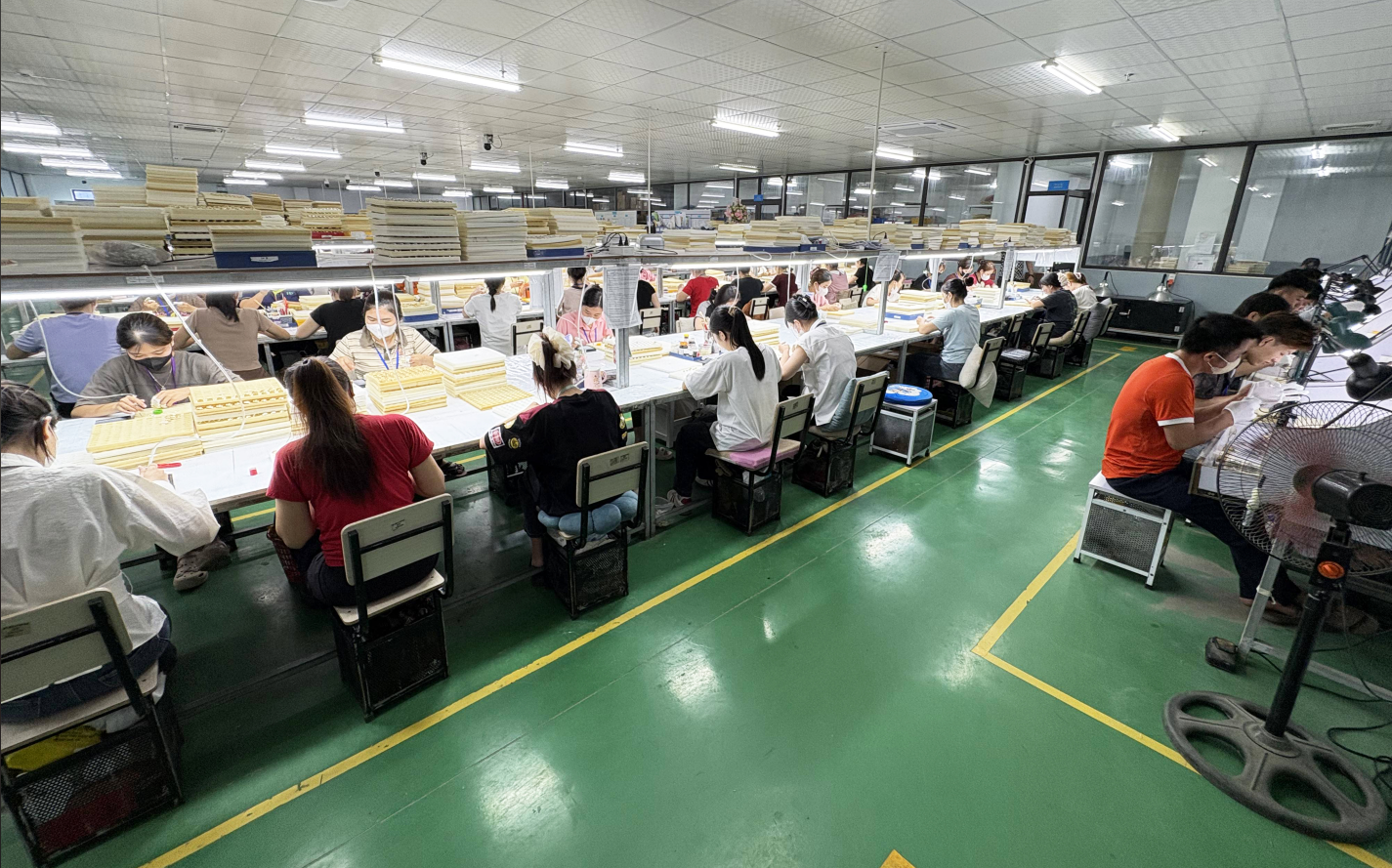
What Should Buyers Check When Receiving a Jewelry Sample?
Do not evaluate a sample only by asking whether it "looks good."
A professional sample review should be more systematic.
Buyers should check:
Dimensions
Weight
Material
Stone quality
Stone setting
Surface finishing
PVD or plating color
Logo placement
Clasp or functional components
Wearing comfort
Overall craftsmanship
If something needs to be changed, provide clear feedback to the manufacturer.
Photos, measurements, marked-up drawings, and specific comments can make communication more efficient and reduce misunderstandings during revisions.
Sample Approval Before Mass Production
Once the sample meets the buyer's requirements, the final product specifications should be confirmed.
The manufacturer can then proceed with bulk jewelry production based on the approved sample and technical specifications.
This is also the right stage to confirm:
Final order quantity
MOQ
Material
Product specifications
Packaging
Production lead time
Quality requirements
Shipping arrangements
A clear approval process helps both the buyer and manufacturer work from the same product standard.
Why Choose MCGA Jewelry for Custom Jewelry Development?
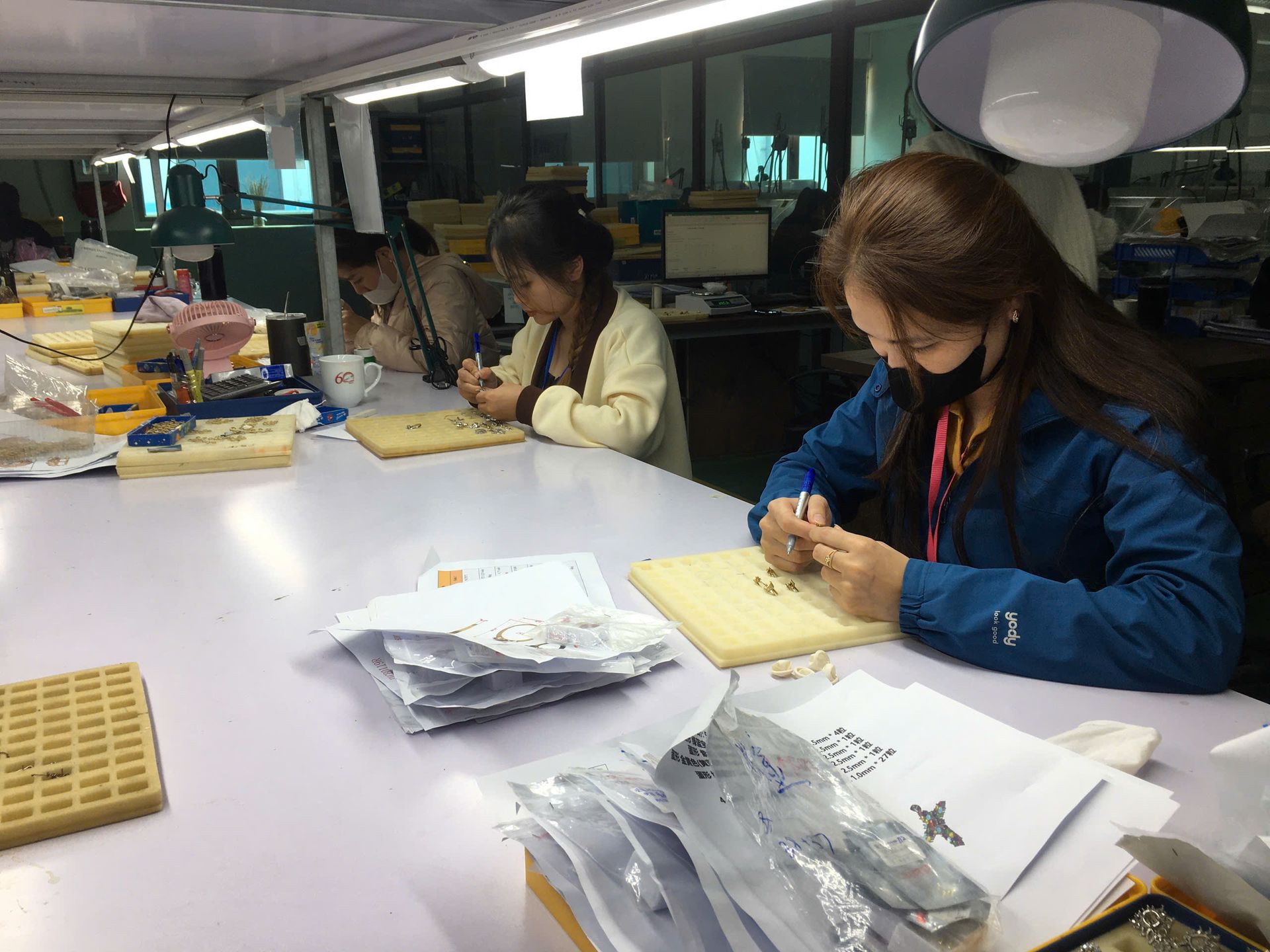
MCGA Jewelry is a Vietnam-based jewelry manufacturer supporting brands, retailers, wholesalers, and designers with OEM and ODM production.
Our Vietnam facility covers approximately 9,800 m² and supports a comprehensive production process, helping customers manage development, production, finishing, and quality control through one manufacturing system.
Our capabilities include:
OEM and ODM jewelry manufacturing
316L stainless steel jewelry
Brass jewelry
Titanium and zinc alloy products
CAD and product development support
Custom logo and branding
Stone and zirconia setting
Hand polishing and surface finishing
PVD coating
Water plating
Chain and accessory production
Custom packaging support
Quality control and testing
Global B2B production support
Our Vietnam factory officially began production in 2024, combining established jewelry manufacturing experience with a Vietnam-based production and supply-chain system.
For brands developing new collections, we can support the process from design development and sampling to bulk production and global delivery.
From Sample to Successful Collection
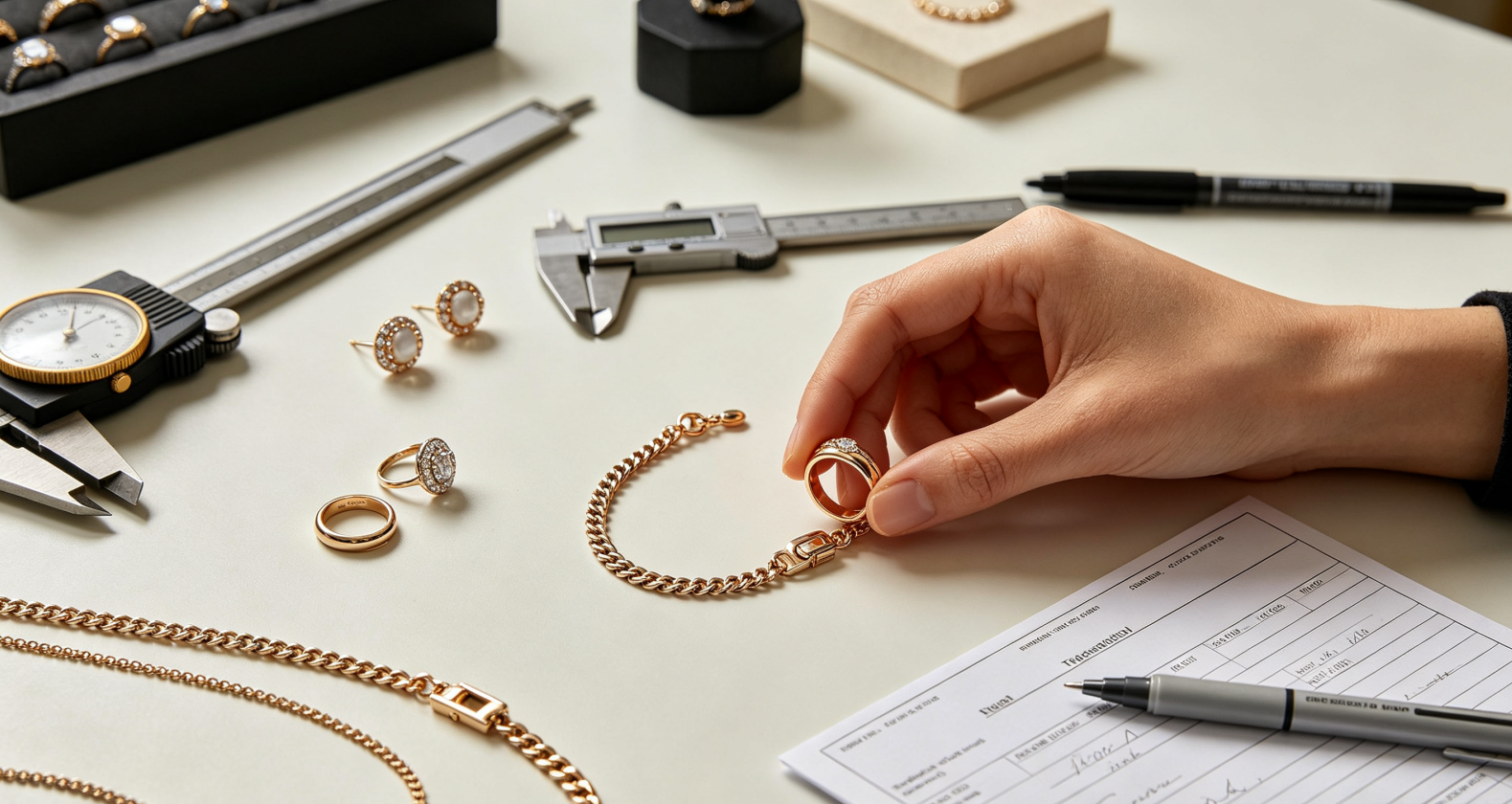
Jewelry sampling may seem like an additional step, but it can help prevent much larger production problems later.
A well-developed sample gives brands the opportunity to:
Evaluate the physical product
Confirm dimensions and proportions
Check materials and finishing
Test wearability
Review craftsmanship
Make design adjustments
Establish a clear bulk-production standard