
Introduction
A jewelry design may look perfect in a sketch or 3D rendering, but that does not always mean it is ready for production.
During custom jewelry development, problems such as thin metal structures, insecure stone settings, excessive weight, complicated details, difficult polishing, and high production costs can create delays, quality issues, or unexpected expenses.
For jewelry brands, retailers, wholesalers, and designers, understanding Design for Manufacturing (DFM) can make the development process much more efficient.
In this guide, we explain the most common reasons jewelry designs fail during production and how working with an experienced jewelry manufacturer can help turn creative concepts into production-ready jewelry.
A Good Jewelry Design Must Be Manufacturable
Jewelry design is not only about appearance. A successful product needs to balance creativity with manufacturing requirements.
A production-ready jewelry design should consider:
Appearance and proportions
Material selection
Structural strength
Wearability and comfort
Stone-setting requirements
Surface finishing
Plating requirements
Manufacturing cost
Repeat-production consistency
This is why it is important to involve a jewelry manufacturer early in the development process.
The goal is not to compromise the designer's original concept. Instead, the goal is to make the design beautiful, functional, durable, and practical to manufacture at scale.
1. Metal Parts Are Too Thin
One of the most common manufacturing problems is designing metal components that are too thin.
Delicate jewelry can look elegant, but reducing the thickness too much may compromise structural strength.
Potential problems include:
Rings bending during wear
Pendants deforming
Prongs becoming too weak
Connections breaking
Difficulties during polishing
Inconsistent production results
The appropriate thickness depends on the material, product structure, size, and intended use.
For example, 316L stainless steel jewelry, brass jewelry, sterling silver, and gold jewelry have different material characteristics and manufacturing considerations.
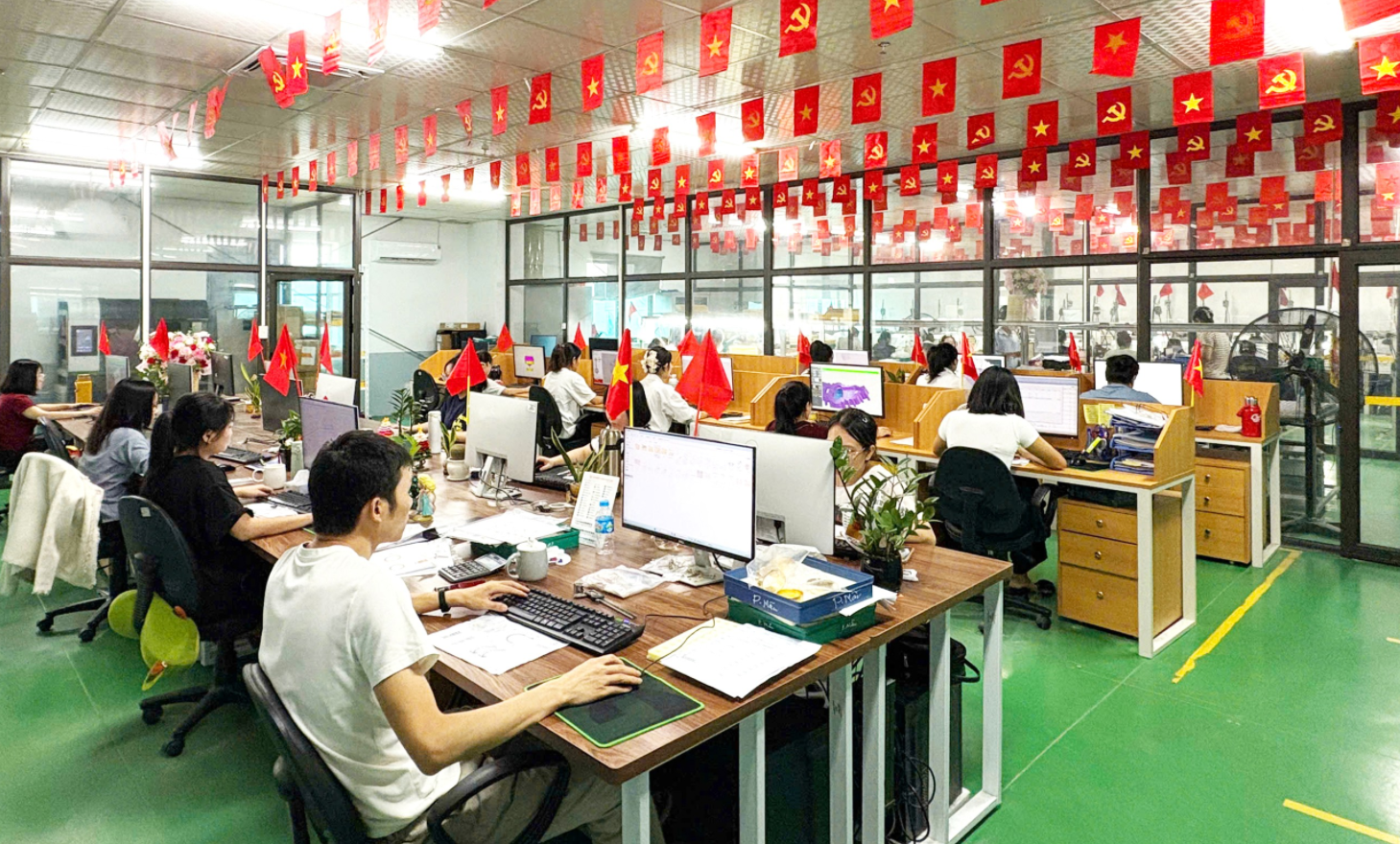
A professional CAD review can identify potentially weak areas before the design moves into production.
2. Stone Settings Are Not Secure Enough
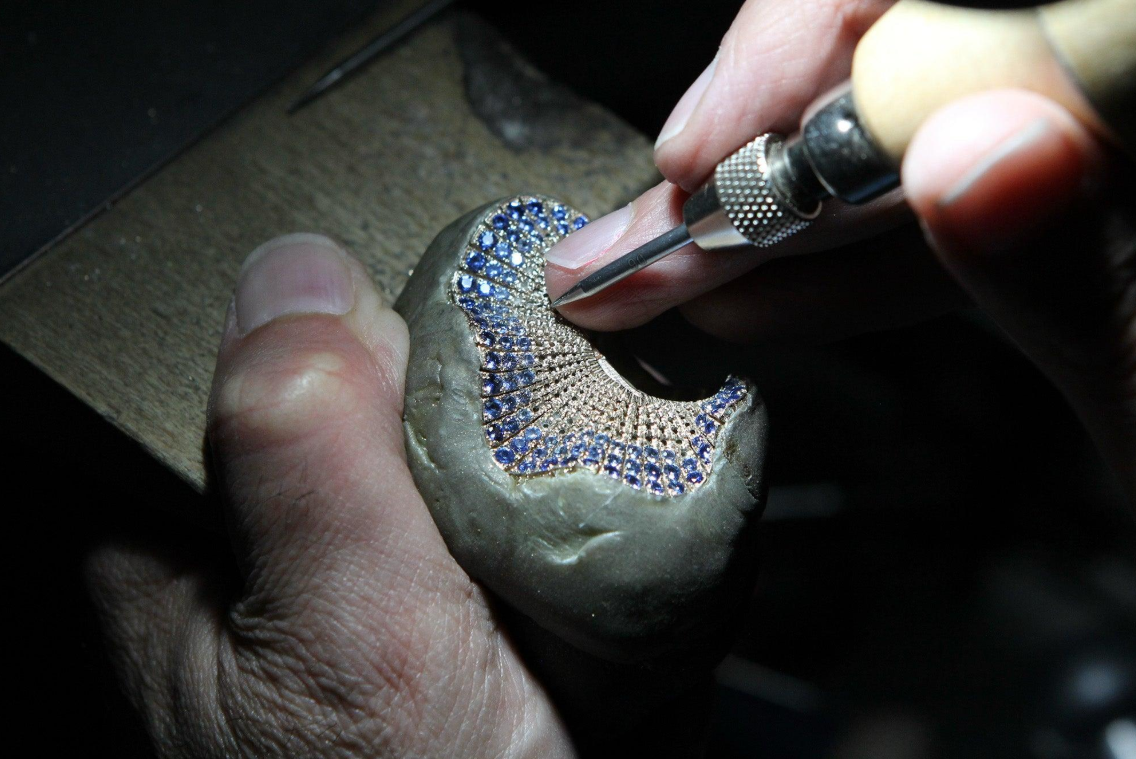
Gemstones and CZ stones can add significant visual appeal, but they also require careful structural planning.
A stone setting needs enough supporting material to hold the stone securely while still achieving the desired appearance.
Common design problems include:
Prongs that are too small
Stones positioned too closely together
Insufficient setting depth
Weak supporting structures
Incorrect stone dimensions
Limited access for stone-setting tools
These problems can increase the risk of loose stones or inconsistent finishing.
For custom jewelry, stone-setting requirements should be considered during the CAD stage, rather than after the piece has already been manufactured.
3. The Jewelry Design Is Too Heavy
Adding more material does not necessarily make a piece better.
An unnecessarily heavy design can increase:
Material costs
Manufacturing costs
Shipping costs
Retail prices
It can also affect wearing comfort.
This is especially important for earrings, large pendants, statement necklaces, and bracelets.
During product development, manufacturers can sometimes optimize the internal structure or dimensions while maintaining the overall appearance.
The goal is to find the right balance between durability, weight, appearance, and cost.
4. The Jewelry Is Uncomfortable to Wear
A CAD model can show precise dimensions, but jewelry ultimately needs to work on the human body.
Wearability should therefore be considered from the beginning.
Rings
The inner structure should provide a comfortable fit without unnecessary pressure points.
Earrings
The overall weight should be appropriate for the size and wearing position.
Bracelets
Length, clasp design, opening, and movement should work naturally during everyday wear.
Necklaces
Pendant weight and size should be balanced with the chain or cord.
A physical sample is particularly useful for evaluating these factors before bulk production.
5. Small Details Are Too Difficult to Manufacture
3D renderings can display extremely fine patterns, logos, letters, and textures.
However, manufacturing processes have physical limitations.
Very small:
Logos
Letters
Engravings
Openings
Textures
Decorative patterns
may lose clarity during casting, CNC machining, polishing, engraving, or finishing.
If branding details are important to the product, manufacturers should review their size and depth before production.
In some cases, slightly enlarging a logo or simplifying a small pattern can significantly improve the final result.
6. The Design Is Difficult to Polish or Finish
Surface finishing is a critical stage in jewelry manufacturing.
Polishing tools need sufficient access to the surface. Deep corners, narrow gaps, complicated internal structures, and extremely tight spaces can make polishing difficult.
This may lead to:
Uneven surface finishing
Visible polishing marks
Difficult-to-reach areas
Inconsistent gloss
Longer production time
When developing a custom piece, the CAD structure should therefore take the final finishing process into consideration.
This is especially important for jewelry that requires a combination of polished, brushed, sandblasted, engraved, or textured surfaces.
7. The Design Does Not Consider Plating
For plated jewelry, finishing requirements should be considered before production begins.
Complex structures, deep recesses, narrow gaps, and difficult-to-reach surfaces can affect the consistency of the final finish.
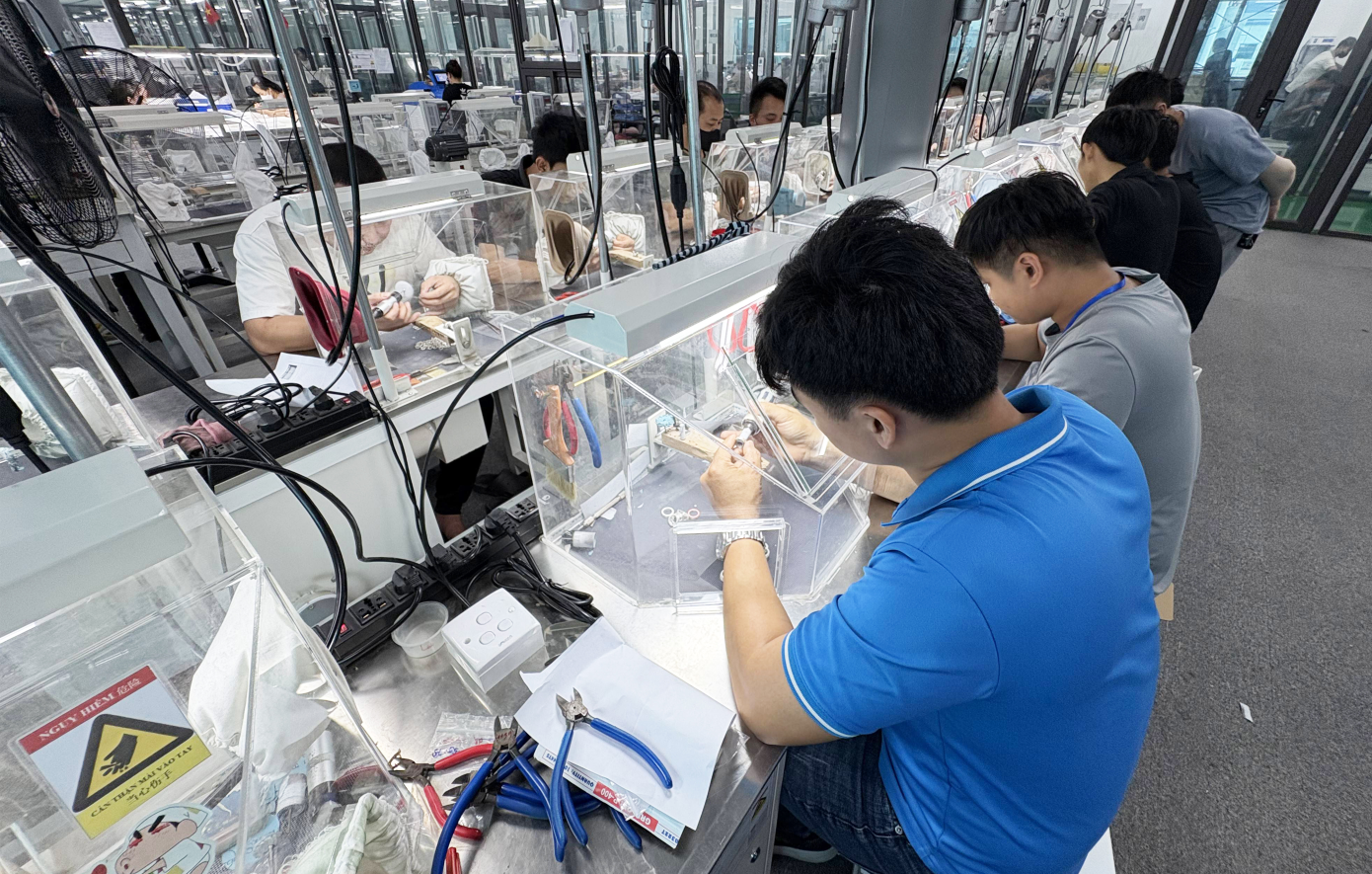
The quality of plated jewelry depends on multiple stages, including:
Surface preparation → Polishing → Cleaning → Base plating → PVD or electroplating → Quality inspection
At MCGA Jewelry, we work with different jewelry materials and finishing processes, including PVD plating and traditional water plating, to help brands achieve the desired appearance and durability.
For products using 316L stainless steel, PVD coating can be used to create durable gold, black, and other finishes while maintaining the original design details.
8. The Design Is Too Expensive to Produce
A design can be technically manufacturable but still be commercially impractical.
Production costs can increase because of:
Excessive material usage
Too many stones
Complicated structures
Multiple assembly processes
Extensive manual work
Difficult finishing requirements
Long production times
For B2B jewelry brands, this can create a problem when the manufacturing cost no longer matches the target retail price.
That is why it is useful to communicate your target price, positioning, material, and expected order volume with the manufacturer during development.
Sometimes a small structural adjustment can significantly reduce manufacturing costs without changing the overall visual concept.
CAD and 3D Development Help Identify Problems Early
CAD jewelry design is an important part of modern custom jewelry development.
A detailed 3D model can help manufacturers and buyers evaluate:
Overall dimensions
Metal thickness
Stone positions
Structural strength
Product weight
Assembly requirements
Engraving and logo details
Manufacturing feasibility
Making adjustments digitally is generally much easier than changing a physical product after production has started.
At MCGA Jewelry, our product development process supports customers from initial concepts and references through CAD development, sampling, and production.
Why Physical Samples Are Still Important
Even when a CAD model looks correct, a physical sample is often necessary before mass production.
A sample allows brands to evaluate the actual product for:
Size
Weight
Comfort
Stone setting
Surface finishing
Plating color
Logo details
Overall appearance
If adjustments are needed, the design can be modified before bulk production begins.
This helps reduce the risk of repeating the same manufacturing issue across an entire order.
For custom jewelry projects, sample approval is an important step between design development and mass production.
Design for Production, Not Just for Appearance
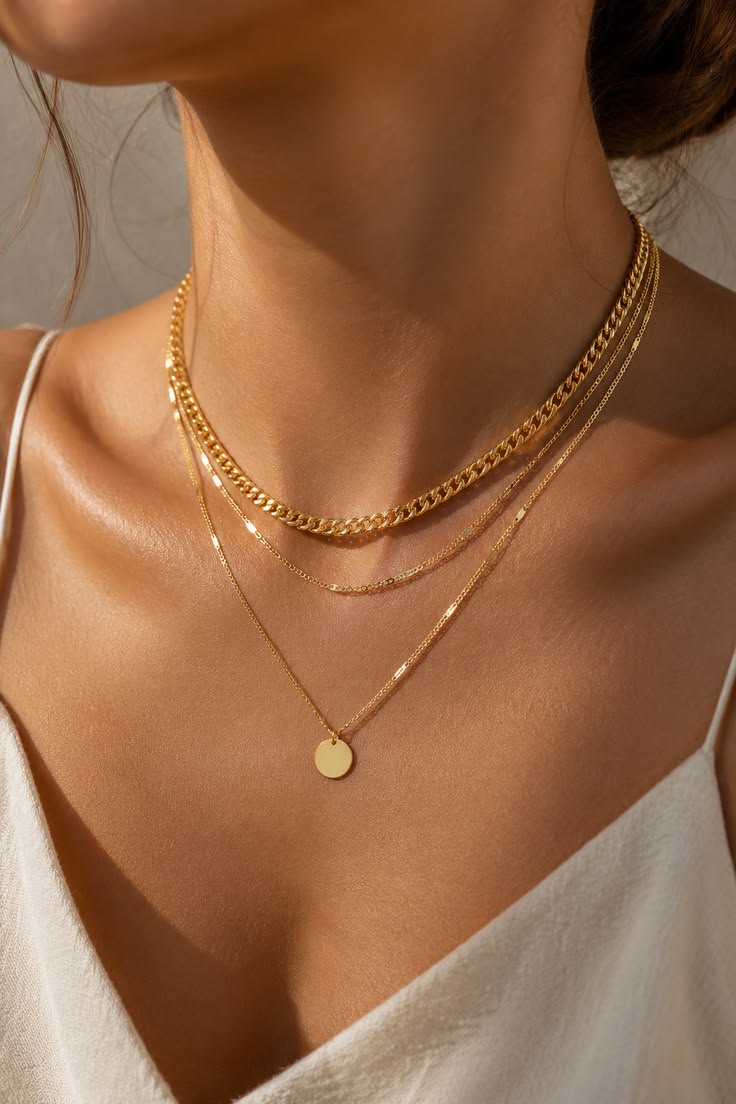
Successful jewelry development requires close communication between designers, buyers, CAD teams, and manufacturers.
Designers focus on the creative concept.
Manufacturers understand materials, production processes, finishing requirements, and cost considerations.
When both sides communicate early, it becomes easier to develop jewelry that is:
Beautiful
Comfortable
Durable
Cost-effective
Production-ready
Consistent for repeat orders
This approach is particularly important for brands developing custom OEM/ODM jewelry collections rather than simply purchasing existing wholesale designs.
How MCGA Jewelry Supports Custom Jewelry Development
MCGA Jewelry is a B2B jewelry manufacturer supporting brands, retailers, wholesalers, and designers with OEM and ODM production.
Our manufacturing and product development capabilities include:
316L stainless steel jewelry
Brass jewelry
925 sterling silver jewelry
Gold vermeil
PVD plating
CNC machining
Lost-wax casting
Laser engraving
Sandblasting
Stone setting
CAD and 3D development
Sample production
Quality inspection and product testing
OEM and ODM services