
When sourcing plated jewelry, buyers often ask one simple question:
“How thick should the plating be?”
The answer depends on the base material, plating method, product design, desired durability, target price, and intended use.
Jewelry plating thickness is usually measured in micrometers, written as μm. Even a difference of a few tenths of a micrometer can affect the coating's performance, appearance, and production cost.
For B2B buyers, understanding what 0.1 μm, 0.5 μm, 1 μm, or 2.5 μm actually means can help you communicate more clearly with your jewelry manufacturer and compare quotations more accurately.
For selected electroplated jewelry applications, the plating thickness can reach up to 2.5 μm, depending on the base material, plating system, product design, and customer's requirements.
However, plating thickness is not the only factor that determines durability. Surface preparation, base material, coating technology, adhesion, finishing, and quality control are also important.
Let's take a closer look.
1. What Is Plating Thickness?
Plating thickness refers to the thickness of the coating deposited onto the surface of a jewelry piece.
It is commonly measured in micrometers (μm).
1 μm = 0.001 mm
This means that even a 1 μm coating is extremely thin compared with the overall thickness of a jewelry product.
The required thickness depends on factors such as:
Base material
Plating technology
Jewelry design
Product usage
Desired durability
Surface finish
Target price
Customer requirements
Therefore, there is no single plating thickness that is suitable for every jewelry product.
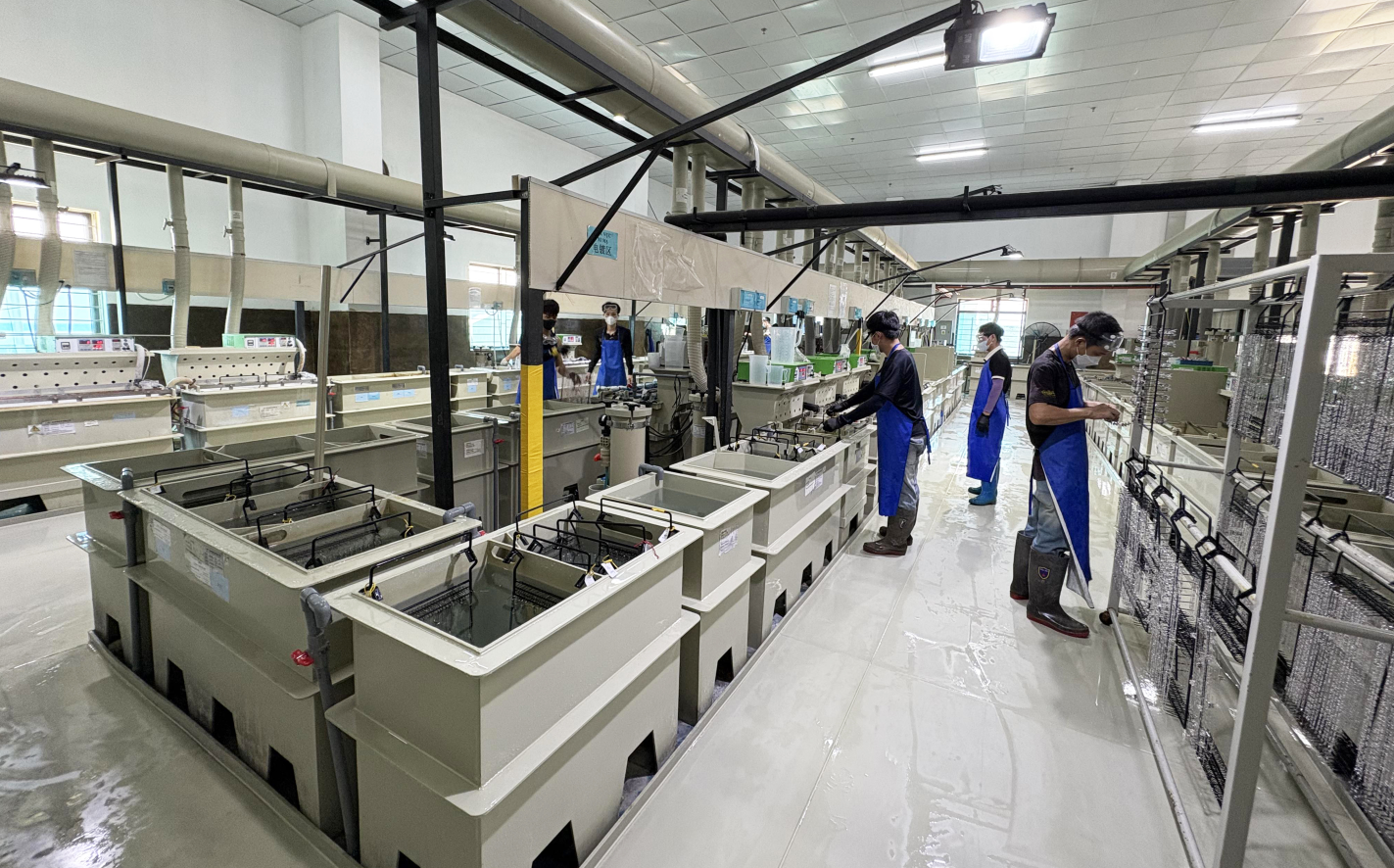
For some electroplated jewelry, manufacturers can provide a thicker coating specification of up to 2.5 μm when the product and plating system are suitable for this requirement.
2. What Does 0.1 μm Mean?
A 0.1 μm plating thickness means the coating is approximately 0.1 micrometers thick.
This is a very thin coating and is generally more suitable when the primary goal is to achieve a particular color or surface appearance rather than maximum wear resistance.
It may be used for products where:
Light wear is expected
Cost control is important
The finish is mainly decorative
The product has limited surface contact
For products such as rings and bracelets that experience frequent friction, buyers may need to consider a more suitable coating specification.
Important: Thickness should always be evaluated together with the plating technology and product application.
3. What Does 0.5 μm Mean?
A 0.5 μm coating is five times thicker than a 0.1 μm coating.
For some jewelry applications, this can provide a more substantial coating while maintaining a relatively cost-effective production specification.
It may be considered for products requiring a balance between:
Appearance + Durability + Cost
However, 0.5 μm does not automatically mean that a product will last five times longer than 0.1 μm.
Actual performance also depends on:
Coating composition
Base material
Surface preparation
Adhesion
Plating technology
Product usage
Friction and abrasion
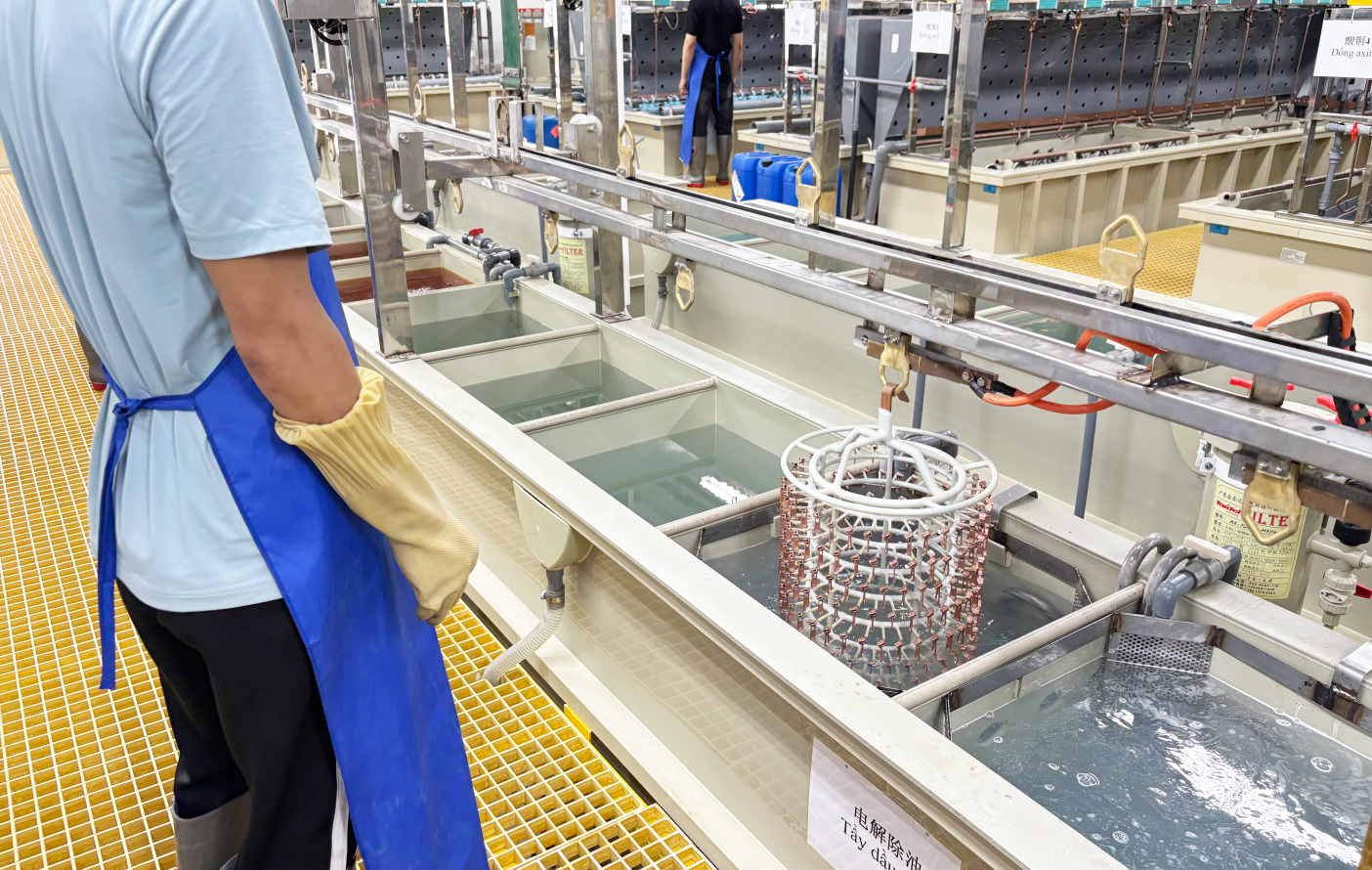
4. What Does 1 μm Mean?
A 1 μm plating thickness means the coating is approximately 1 micrometer thick.
For B2B jewelry projects, 1 μm or more may be specified when a thicker coating is required, depending on the product and finishing system.
A thicker coating can provide more material to withstand surface wear, but thickness alone does not guarantee durability.
For example, a poorly prepared surface with weak coating adhesion may perform poorly even if the coating is relatively thick.
That's why professional jewelry manufacturers should control both the coating specification and the overall production process.
5. What Does 2.5 μm Mean?
A 2.5 μm plating thickness means the coating is approximately 2.5 micrometers thick, or 0.0025 mm.
For selected electroplated jewelry applications, a coating thickness of up to 2.5 μm can be achieved when the material, plating system, product structure, and production requirements are suitable.
Compared with 0.1 μm, 0.5 μm, and 1 μm, a 2.5 μm coating provides a substantially thicker deposited layer.
This may be considered for jewelry products where buyers require a higher plating specification and additional coating material for potential wear resistance.
However, 2.5 μm should not automatically be interpreted as 25 times the service life of 0.1 μm plating.
Actual durability depends on the complete coating system, including:
Base material
Surface preparation
Underplating or intermediate layers
Plating composition
Adhesion
Final coating thickness
Product usage
Friction and abrasion
Quality control
Therefore, if you are looking for 2.5 μm electroplating, it is important to confirm the complete plating specification with your manufacturer.

6. Why Does Plating Thickness Matter?
Jewelry plating thickness matters because it can influence several aspects of a finished product.
Durability
A suitable coating thickness can help improve resistance to everyday wear.
Appearance
The coating contributes to the final color and surface appearance of plated jewelry.
Cost
In general, increasing the amount of coating material and processing can increase production costs.
Product Application
Different jewelry products experience different levels of friction.
For example:
Rings → frequent contact and friction
Bracelets → repeated movement and surface contact
Chains → friction between links
Pendants → generally less direct surface friction
Therefore, the ideal specification should be based on the product rather than using one thickness for every design.
7. PVD vs. Electroplating: Does Thickness Mean the Same Thing?

Not necessarily.
PVD coating and traditional electroplating are different coating technologies, so their thickness specifications should not be compared based on the number alone.
PVD Coating
PVD (Physical Vapor Deposition) is a vacuum-based coating technology.
It is widely used for 316L stainless steel jewelry and can provide excellent wear resistance, scratch resistance, and color stability when the appropriate coating system and production parameters are used.
Electroplating
Traditional electroplating uses an electrochemical process to deposit a metal coating onto a conductive surface.
It is commonly used for materials such as:
Brass
Copper
Silver
Other suitable metal substrates
For selected electroplated jewelry applications, manufacturers may provide coating thicknesses ranging from thin decorative layers to up to 2.5 μm, depending on the material, plating system, color, product design, and customer specification.
The Key Point
A 0.5 μm PVD coating and a 0.5 μm electroplated coating should not automatically be considered equivalent in performance.
Likewise, a 2.5 μm electroplated coating should not simply be compared with a 2.5 μm PVD coating based only on the thickness number.
Coating composition, deposition technology, adhesion, substrate preparation, and product application all affect the final result.
For B2B buyers, it is better to ask about the complete plating specification and testing method rather than comparing thickness alone.
8. How Do Manufacturers Test Plating Thickness?
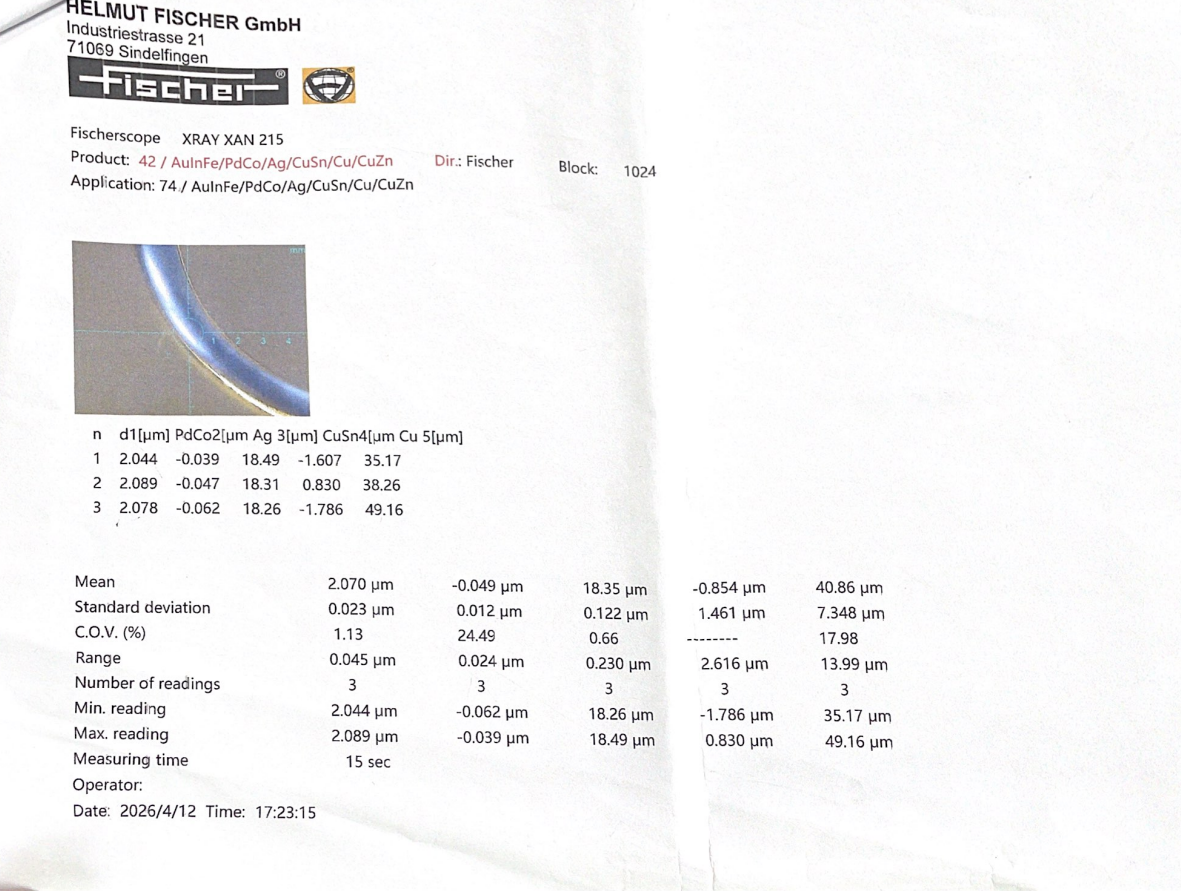
Professional jewelry manufacturers can use specialized coating-thickness testing equipment to measure the thickness of a plated surface.
Depending on the material and coating system, different measurement technologies may be used.
The testing process generally involves:
Jewelry Sample → Measurement → Thickness Reading → Specification Comparison → Quality Inspection
For example, if a customer's specification requires a coating thickness of more than 1 μm or up to 2.5 μm, the manufacturer can measure production samples and verify whether they meet the agreed requirement.
Why Is This Important?
A quotation that simply says:
“Gold plated”
does not provide enough technical information for a B2B buyer.
A more useful specification would identify:
Base material
Plating method
Plating color
Coating thickness
Surface finish
Durability requirements
Testing requirements
This makes supplier comparison much more transparent.
Comparison Table: Jewelry Plating Thickness
| Plating Thickness | Approximate Meaning | Typical Consideration | B2B Buyer Focus |
|---|---|---|---|
| 0.1 μm | Very thin coating | Mainly decorative applications | Color and appearance |
| 0.5 μm | Medium-thin coating | Balance of appearance and cost | Durability + cost |
| 1 μm | Thicker coating | More demanding applications | Durability + specification |
| 2.5 μm | Very thick electroplated layer | Selected applications requiring a higher plating specification | Durability + coating specification |
Note: These are general reference points, not universal industry standards. The appropriate thickness depends on the coating system, base material, product design, intended use, and customer requirements. For selected electroplated jewelry applications, plating thickness can reach up to 2.5 μm when the production system and product requirements are suitable.
What Should B2B Buyers Ask About Plating Thickness?
Before placing a bulk order, ask your jewelry manufacturer:
1. What is the plating thickness?
Don't simply ask whether the jewelry is gold plated.
If you need a thicker coating, specify the required thickness, such as 1 μm or up to 2.5 μm, according to the product requirements.
2. How is the thickness measured?
Ask what testing equipment or measurement method is used.
3. Is the thickness specification guaranteed?
Make sure the agreed specification is included in the production requirements.
4. What is the base material?
The same coating can perform differently on different substrates.
5. What plating technology is used?
Confirm whether it is PVD, electroplating, or another coating process.
6. What durability tests are performed?
Depending on the product, ask about salt spray, abrasion, friction, hardness, UV testing, or other relevant tests.
7. Can the manufacturer achieve the required thickness?
If your project requires 2.5 μm electroplating, confirm that the manufacturer can consistently achieve the required specification for your specific material, color, and product design.
Need the Right Plating Thickness for Your Jewelry?
Choosing the right jewelry plating thickness is about more than selecting the highest number.
The best specification depends on your material, product design, plating technology, target market, durability requirements, and budget.
For selected electroplated jewelry applications, plating thickness can reach up to 2.5 μm, depending on the product and production requirements.
At MCGA Jewelry, we provide OEM/ODM jewelry manufacturing, with a focus on 316L stainless steel jewelry, brass jewelry, PVD plating, electroplating, and custom surface finishes.
Whether you need a specific coating thickness, color, finish, or durability requirement, our team can work with you to develop the appropriate production specification.
Ask MCGA about your required plating thickness and finish.
👉 Contact MCGA Jewelry to discuss your project and request a quote.