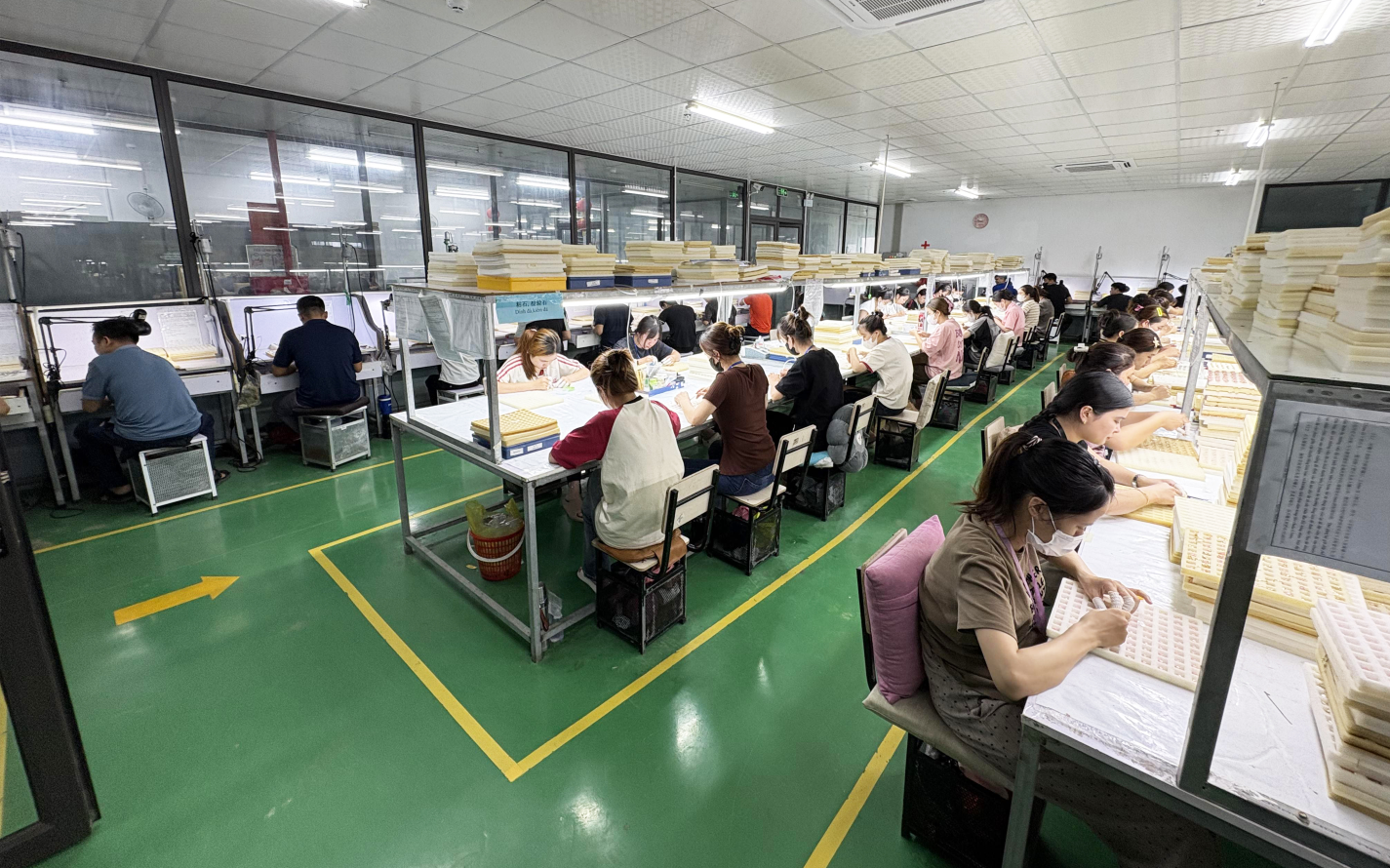
Starting a jewelry business is more than creating beautiful designs. To build a successful jewelry brand, you also need the right materials, reliable production, consistent quality, and a manufacturing partner who can support your business as it grows.
For startups and emerging jewelry brands, choosing the right manufacturer can be one of the most important decisions. The right partner can help turn ideas into production-ready products while reducing development costs, quality risks, and inventory pressure.
In this guide, we explain how to start a jewelry business step by step and what to look for when choosing a reliable jewelry manufacturer for your brand.
1. Define Your Jewelry Brand Concept
Before developing your first collection, establish a clear brand direction.
Ask yourself:
Who are your target customers?
What jewelry style fits your brand?
What price range will you target?
What materials will you use?
What makes your products different?
Popular jewelry categories include:
Stainless steel jewelry
Sterling silver jewelry
Gold-plated jewelry
Brass jewelry
Custom jewelry
Minimalist jewelry
Fashion and everyday jewelry
A clear brand concept makes it easier to communicate your requirements to a jewelry manufacturer and develop products that match your target market.
For example, a brand focused on affordable everyday jewelry may prioritize 316L stainless steel and PVD plating, while a premium collection may focus more on 925 sterling silver or gold vermeil.
2. Research Your Target Market
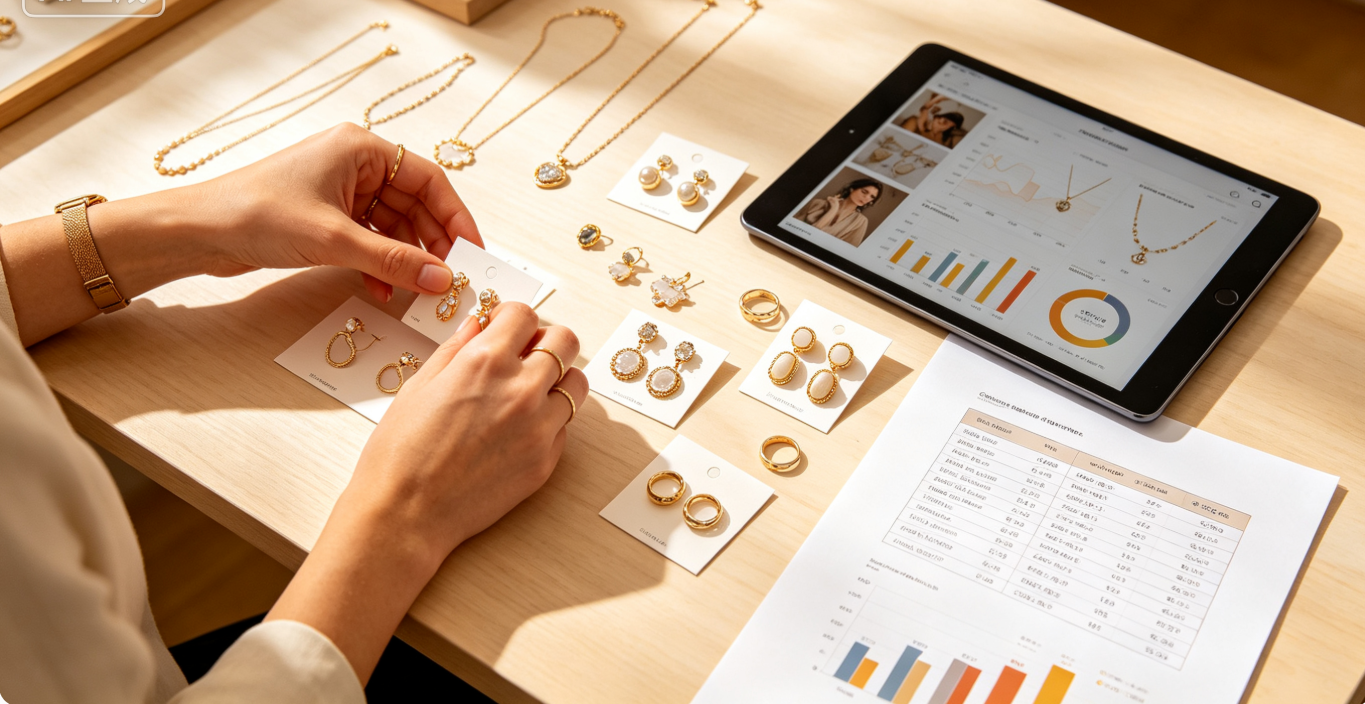
Understanding your customers before production can help reduce product development risks.
Market research can help you identify:
Popular jewelry styles
Customer preferences
Target price points
Competitor products
Material preferences
Potential product gaps
You should also consider how customers will use your jewelry.
For everyday jewelry, customers often value durability, water resistance, low maintenance, and long-lasting color. This makes materials such as 316L stainless steel with PVD coating an attractive option.
For more premium collections, 925 sterling silver and gold vermeil may provide the desired look and positioning.
Your manufacturing partner can also help evaluate whether a design is practical and cost-effective to produce.
3. Find the Right Jewelry Manufacturing Partner
Finding a reliable custom jewelry manufacturer is one of the most important steps when starting a jewelry business.
A good manufacturing partner should offer more than production alone.
Look for a manufacturer with:
OEM and ODM capabilities
In-house product development support
Experienced production teams
Material expertise
Quality control procedures
Flexible MOQ options
Custom finishing and plating
Reliable communication
Export experience
It is also important to understand whether you are working directly with a factory or through a trading company.
Direct factory cooperation can provide better communication between your brand and the production team, especially when developing custom designs or making production changes.
Why Vietnam Manufacturing Is Becoming More Important
For international jewelry brands, Vietnam is becoming an increasingly attractive manufacturing destination.
A Vietnam-based manufacturing partner can provide an alternative production base while helping brands diversify their supply chains.
MCGA Jewelry combines long-term jewelry manufacturing experience with a modern production facility in Vietnam, supporting brands with OEM and ODM jewelry manufacturing from product development to bulk production.
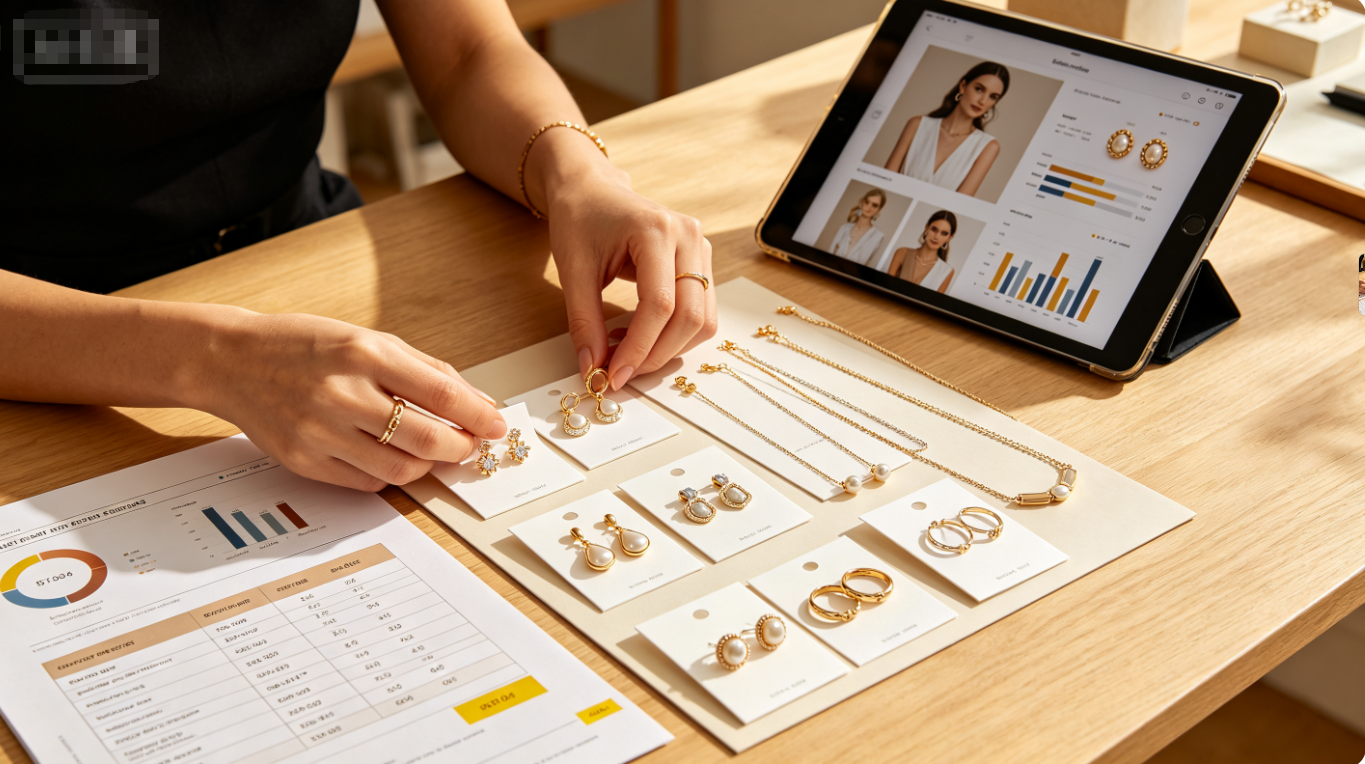
4. Develop Your First Jewelry Collection
New jewelry brands do not necessarily need hundreds of products when launching.
Starting with a focused collection can make it easier to test customer demand and manage your initial investment.
A typical product development process includes:
Design concept
Design review
CAD development
Prototype or sample production
Sample approval
Bulk production
Quality inspection
Final delivery
A professional manufacturer should be able to identify potential production problems before mass production.
For example, a design may look good in a rendering but require adjustments because of:
Insufficient thickness
Weak stone settings
Difficult assembly
Complicated finishing
High production costs
Early communication between the designer and manufacturer can help prevent these problems.
5. Choose the Right Jewelry Materials
Material selection affects the appearance, durability, cost, and positioning of your jewelry.
Different materials are suitable for different business models.
| Material | Key Advantages | Suitable For |
|---|---|---|
| 316L Stainless Steel | Durable, corrosion-resistant, low maintenance | Everyday & fashion jewelry |
| Brass | Flexible, cost-effective, suitable for detailed designs | Fashion & custom jewelry |
| 925 Sterling Silver | Premium appearance and craftsmanship | Mid-range & premium collections |
| Gold Vermeil | Thicker gold layer over sterling silver | Premium jewelry |
| Copper | Easy to shape and economical | Fashion & custom designs |
316L Stainless Steel
316L stainless steel jewelry is particularly suitable for brands looking for durable everyday products.
With appropriate finishing and PVD coating, stainless steel jewelry can provide excellent color durability and resistance to everyday wear.
Brass Jewelry
Brass is another versatile material for jewelry manufacturing.
It is suitable for detailed designs, custom shapes, and fashion collections. With appropriate surface treatment and PVD real gold plating, brass can achieve a premium appearance while maintaining a competitive production cost.
The best material depends on your target market, product design, pricing strategy, and expected product performance.
6. Start with Flexible MOQ
Inventory management can be a major challenge for a new jewelry business.
Ordering too much inventory can tie up capital, while ordering too little may increase unit costs or make it difficult to meet customer demand.
Flexible MOQ (Minimum Order Quantity) can help brands balance these challenges.
A flexible production strategy allows you to:
Test new designs
Validate customer demand
Reduce inventory risk
Launch smaller collections
Reorder successful products
Scale production gradually
When choosing a manufacturer, ask about MOQ for both standard products and custom designs.
For startups, a manufacturing partner that understands smaller initial orders can make the product development process much easier.
7. Pay Attention to Quality Control
Quality directly affects your brand reputation.
Even a well-designed product can damage customer trust if the final jewelry has inconsistent plating, scratches, loose stones, poor polishing, or dimensional differences.
A professional jewelry manufacturer should have quality control throughout the production process.
Typical QC stages include:
Raw material inspection
Component inspection
Production monitoring
Polishing inspection
Plating inspection
Stone-setting inspection
Dimension and weight checking
Final product inspection
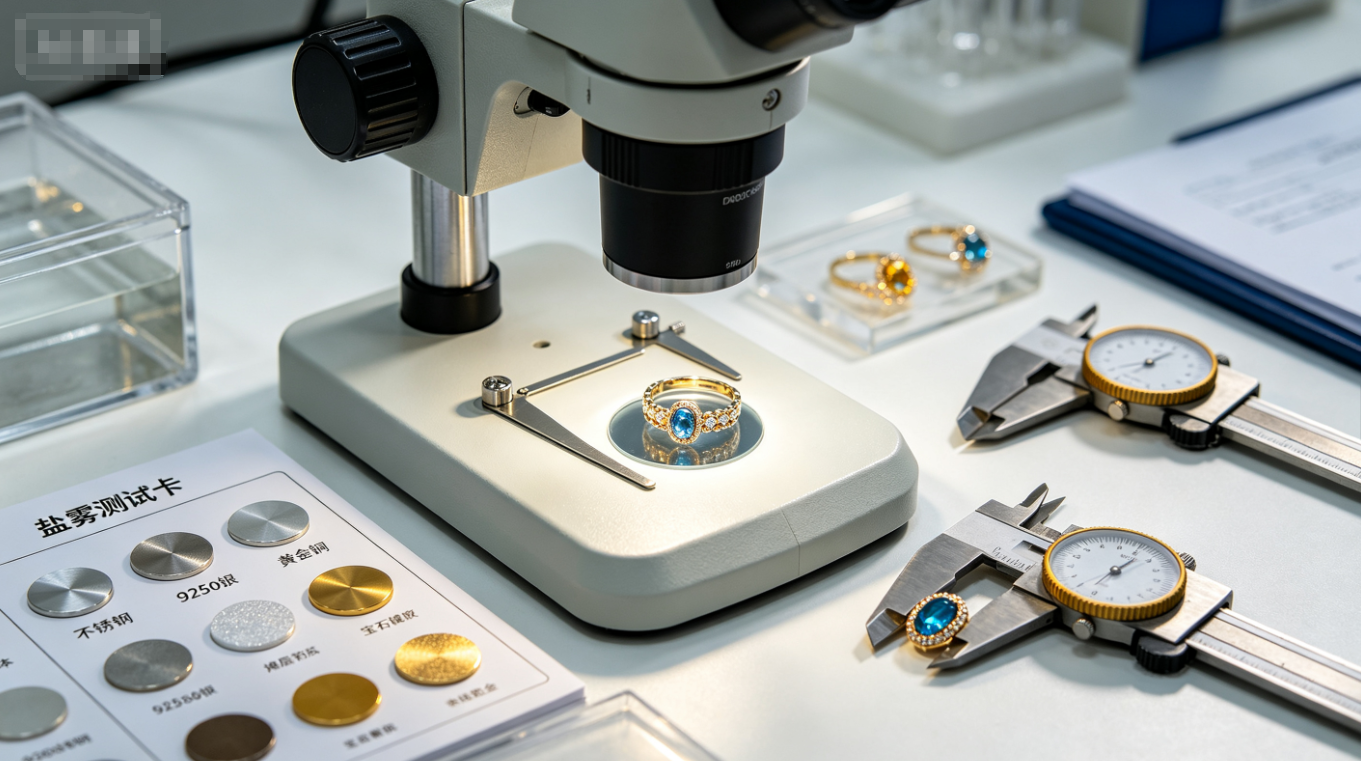
For stainless steel jewelry, additional testing can also be important depending on the product and target market.
These may include:
Salt spray testing
Plating adhesion testing
Color and finish inspection
Material composition testing
For B2B jewelry brands, clear quality standards should be agreed upon before bulk production begins.
8. Build a Reliable Jewelry Supply Chain
A successful jewelry business needs more than a good first production order.
As your brand grows, you need a manufacturing partner who can support:
Repeat production
New product development
Consistent materials
Stable quality
Production planning
Packaging requirements
Custom branding
Supply chain coordination
Long-term cooperation also allows your manufacturer to better understand your product specifications and quality standards.
This can make future product development more efficient and reduce unnecessary communication and production adjustments.
For international brands, supply chain diversification can also help reduce dependence on a single manufacturing market.
This is one reason many brands are exploring the China Plus One sourcing strategy and considering Vietnam as part of their long-term supply chain.
9. Choose a Manufacturer That Supports OEM & ODM
If you are building a jewelry brand, you may not always have finished production drawings.
This is where OEM and ODM jewelry manufacturing can provide additional value.
OEM Jewelry Manufacturing
OEM is suitable when you already have your own designs, drawings, samples, or specifications.
The manufacturer produces the jewelry according to your requirements.
ODM Jewelry Manufacturing
ODM is useful when you need support developing a product from an idea or concept.
The manufacturer may assist with:
Product development
CAD design
Material selection
Production feasibility
Sample development
Manufacturing optimization
For startups and growing brands, a manufacturer capable of both OEM and ODM can provide greater flexibility throughout the product development process.
Why Choose MCGA Jewelry as Your Manufacturing Partner?
MCGA Jewelry is an experienced jewelry manufacturing partner focused on helping international brands develop and produce jewelry for global markets.
Our manufacturing capabilities include:
OEM & ODM jewelry manufacturing
316L stainless steel jewelry
PVD-coated jewelry
Brass jewelry
925 sterling silver jewelry
Gold vermeil
Custom product development
CAD and sample development
CNC machining and casting
Laser engraving
Stone setting
Sandblasting and polishing
Quality inspection and testing
MCGA also operates a modern manufacturing facility in Vietnam, providing brands with an additional production base for international sourcing and supply chain diversification.
From the first design concept to final production, our goal is to help brands develop jewelry that balances design, quality, durability, and cost efficiency.