
For jewelry brands, plating quality is more than just choosing the right color. A beautiful gold, silver, or rose gold finish can lose its appeal if it scratches easily, changes color, corrodes, or wears away during everyday use.
This is why jewelry plating quality control is an important part of professional jewelry manufacturing.
For B2B buyers, understanding how a manufacturer tests plated jewelry can help you evaluate suppliers, compare production capabilities, and reduce quality risks before placing a bulk order.
Professional manufacturers may use different testing methods depending on the material, plating process, product design, and customer requirements.
At MCGA Jewelry, our quality-control approach covers multiple aspects of plating durability, including corrosion resistance, abrasion resistance, friction resistance, surface hardness, color consistency, plating thickness, and UV accelerated weathering performance.
Here are 7 jewelry plating tests that B2B buyers should know.
1. Salt Spray Testing
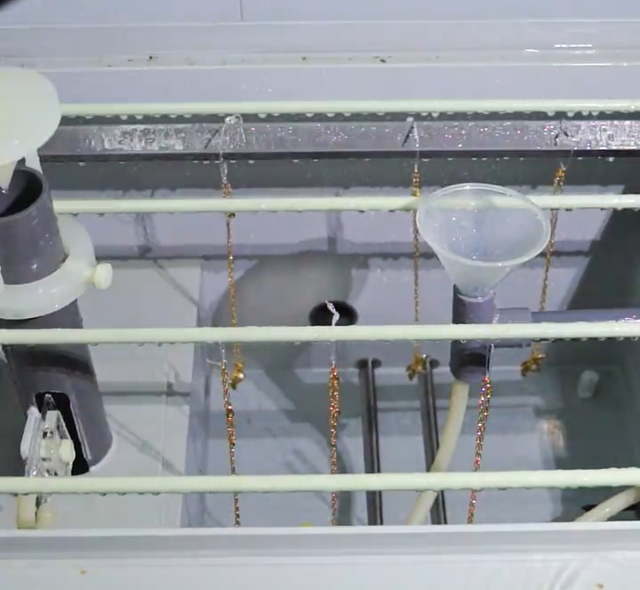
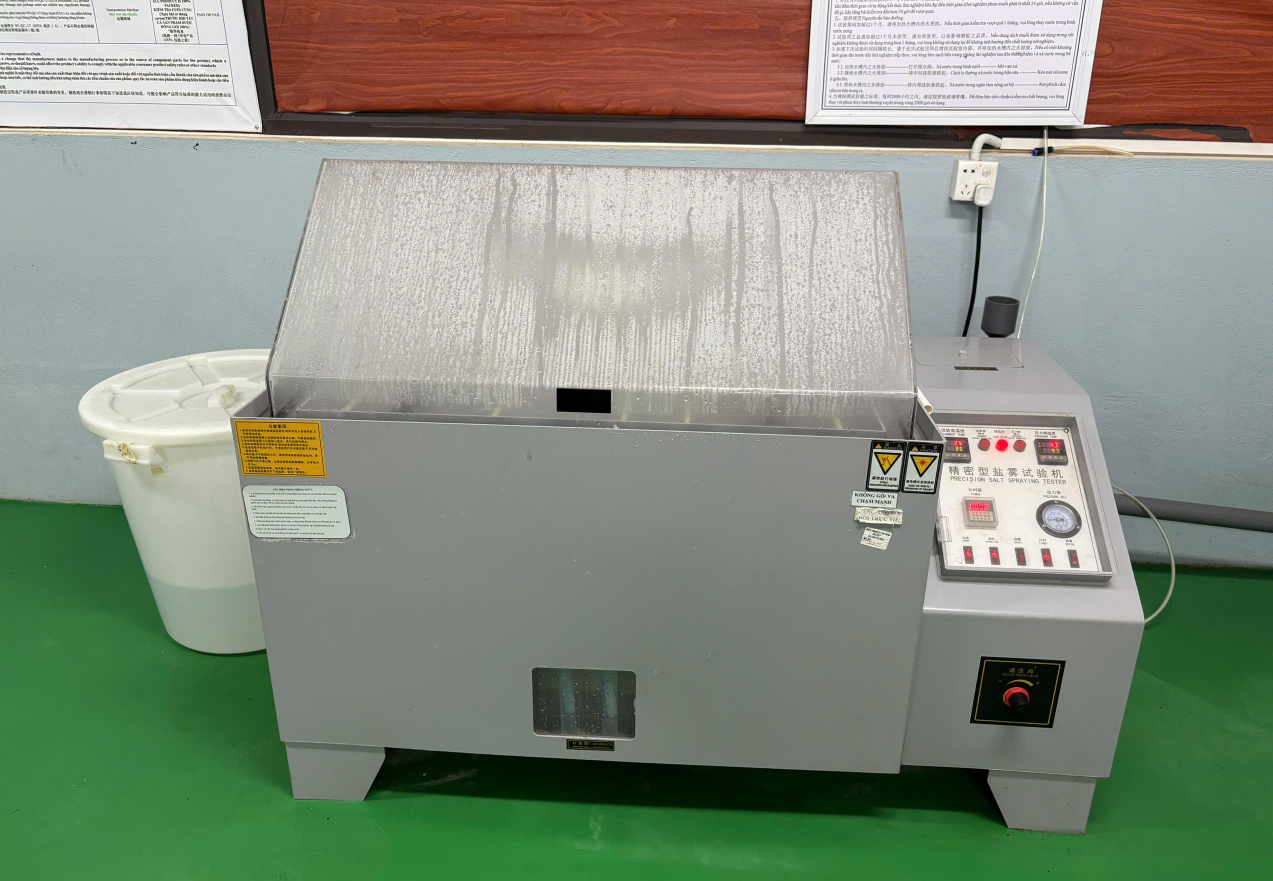
Salt spray testing is commonly used to evaluate the corrosion resistance of metal and plated surfaces.
During a neutral salt spray test, samples are placed inside a controlled testing chamber where a salt solution is atomized into a fine mist. The samples remain exposed for a specified period and are then inspected for visible corrosion, discoloration, blistering, or other surface changes.
For stainless steel jewelry and plated jewelry, this test can help manufacturers evaluate how the surface finish performs under corrosive conditions.
Why does it matter for B2B buyers?
Jewelry is frequently exposed to:
Sweat
Moisture
Water
Humidity
Cosmetics
Everyday environmental conditions
A controlled salt spray test provides useful information about the corrosion resistance of a finish before products are shipped to customers.
Buyer Tip: Always ask your manufacturer what testing conditions and duration are used instead of simply asking whether the product is "salt spray tested."
2. Rolling Abrasion Testing
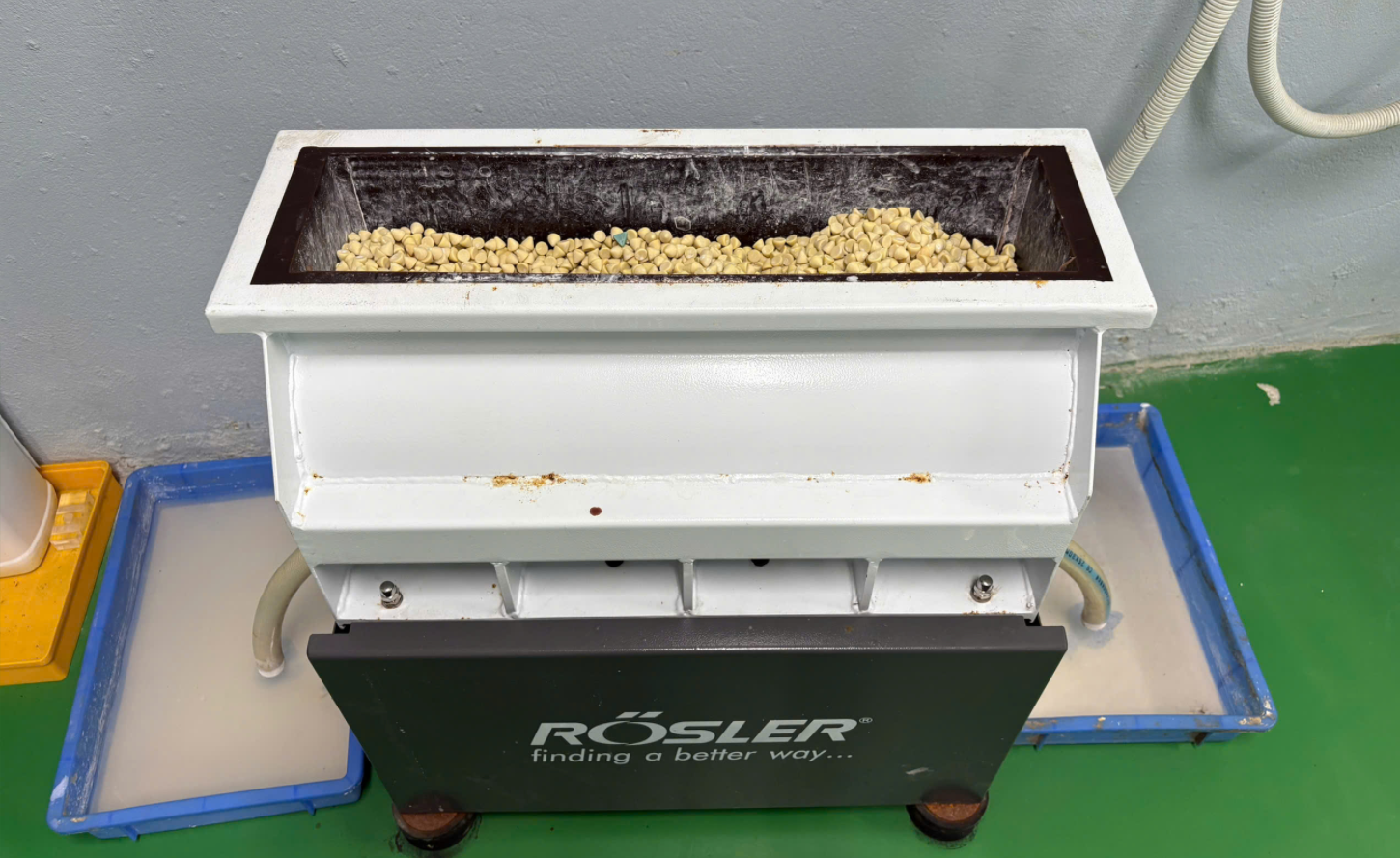
Rolling abrasion testing evaluates how a jewelry surface responds to repeated mechanical contact and wear.
During testing, controlled movement and repeated contact are applied to the sample surface. After a defined number of cycles, the coating is inspected for visible wear, color changes, or coating damage.
This is particularly useful for products that experience frequent movement or contact, such as:
Rings
Bracelets
Chains
Pendants
Watch-style jewelry
Moving metal components
Why does it matter?
A plating finish may look excellent when a product is new, but repeated mechanical contact can gradually affect the surface.
For brands positioning their products as durable jewelry, abrasion resistance is an important quality consideration.
3. Local Friction Testing
Local friction testing focuses on specific areas of a jewelry product that are likely to experience repeated rubbing.
Unlike general abrasion testing, local friction testing can focus on areas such as:
Bracelet links
Ring surfaces
Clasp areas
Chain connections
Pendant edges
Moving components
This type of testing can help identify potential weak points in a product's plating system.
For B2B buyers, this is particularly useful when developing custom jewelry, because different designs can create different friction points.
Example
A bracelet with multiple moving links may experience significantly more surface contact than a simple pendant.
Therefore, the same plating specification may perform differently depending on the product structure.
4. Plating Hardness Testing
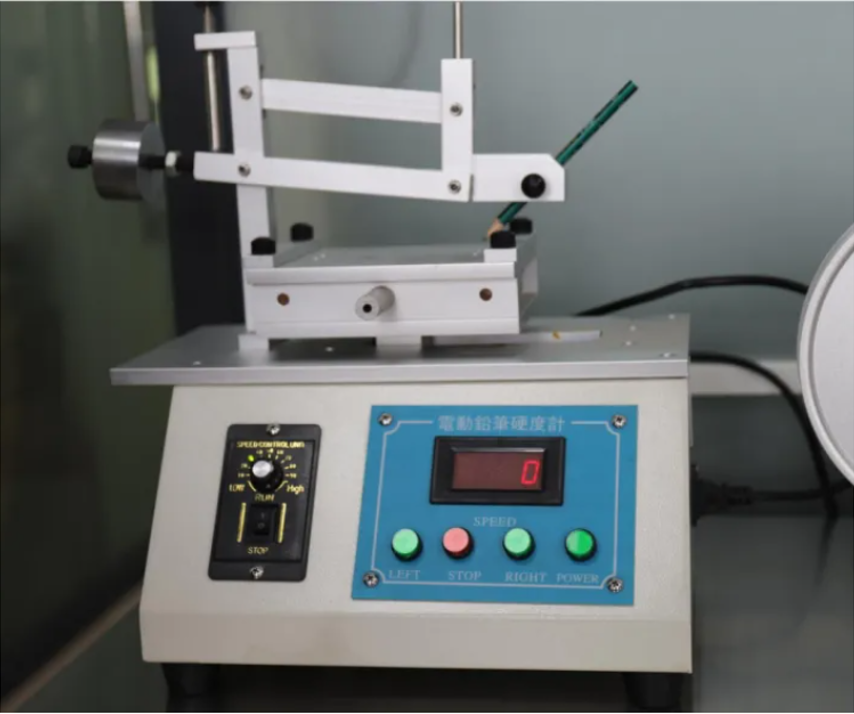
Plating hardness testing evaluates the resistance of a plated surface to mechanical damage such as scratching or indentation.
A controlled testing instrument is used to evaluate the surface response of the coating.
Hardness is particularly relevant for jewelry products that experience frequent contact with other objects.
For example:
Rings → high contact
Bracelets → repeated friction
Chains → movement between links
Pendants → contact with clothing and other accessories
A suitable hardness level can contribute to better plating durability and surface performance.
What should buyers ask?
Instead of simply asking:
"Is your plating durable?"
Ask:
"What plating durability or hardness tests do you perform?"
This gives you a much clearer understanding of a manufacturer's quality-control process.
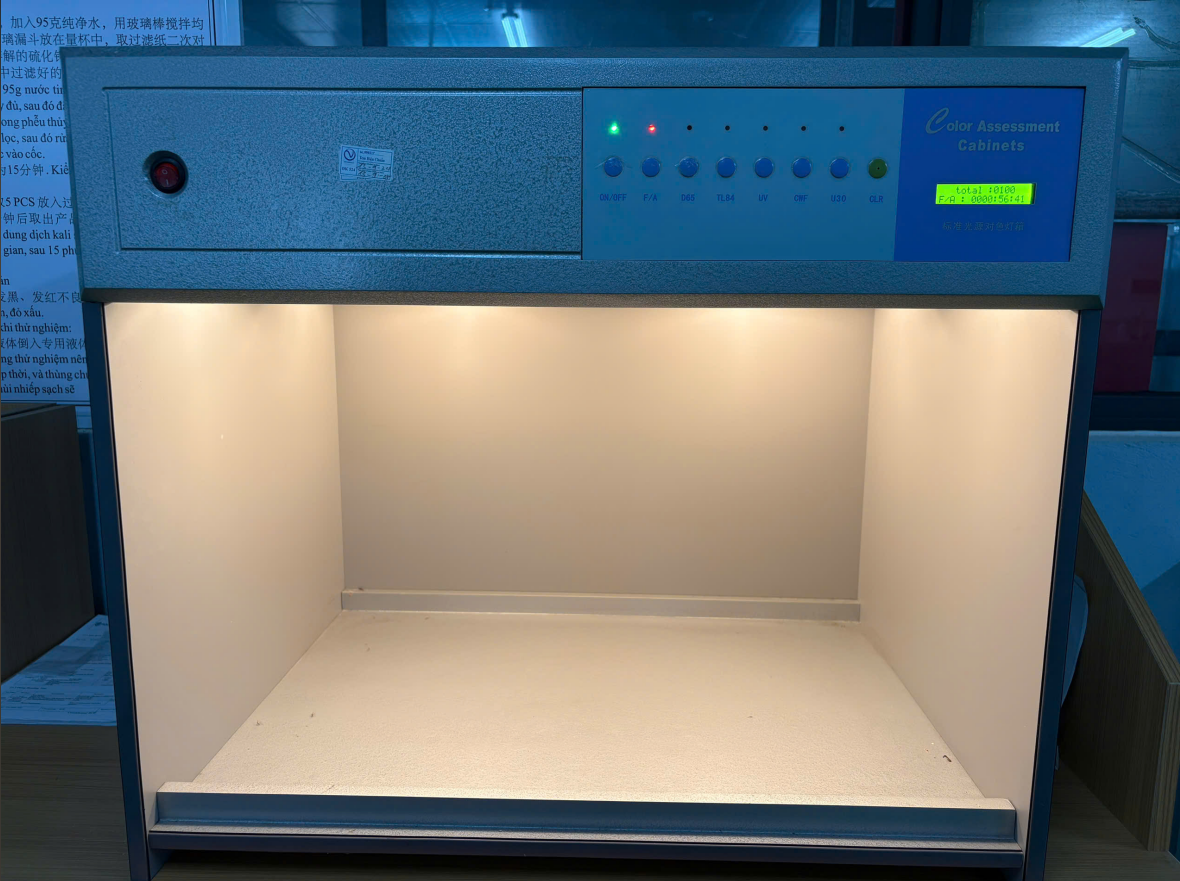
5. Plating Color Evaluation
Color consistency is extremely important for jewelry brands.
Customers expect products from the same collection to have a consistent appearance. Even small differences in gold, rose gold, or silver tones can become noticeable when products are displayed together.
A plating color evaluation cabinet provides controlled lighting conditions for comparing plated jewelry samples.
Manufacturers can use it to evaluate:
Gold color
Rose gold color
Silver tone
Black plating
Other customized colors
Batch-to-batch consistency
Why is color control important?
For a jewelry brand, consistent color helps maintain:
Brand identity → Product consistency → Professional appearance → Customer trust
For custom jewelry projects, B2B buyers should provide a physical sample, approved color reference, or agreed color standard whenever possible.
6. Plating Thickness Testing
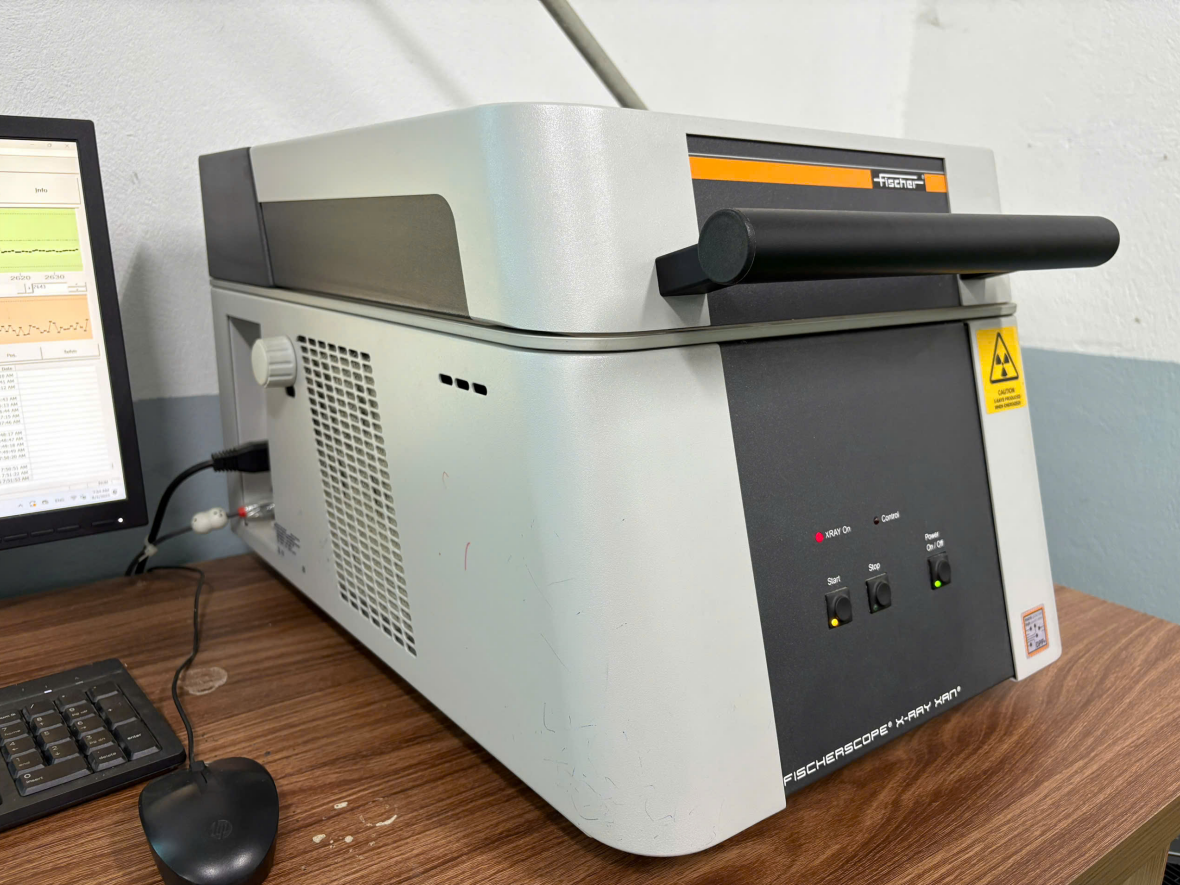
Plating thickness testing is used to measure the thickness of a coating deposited on the jewelry surface.
Thickness can influence the durability, appearance, and performance of a plated finish.
For example, if a customer requires a specific coating thickness, the manufacturer should be able to verify whether the production result meets the agreed specification.
For applicable MCGA production requirements, plating thickness can be specified at more than 1 μm, depending on the product, material, plating system, and customer requirements.
Why should B2B buyers care about plating thickness?
Because "gold plated" or "PVD gold" alone does not fully describe the coating specification.
A professional RFQ should ideally clarify:
Base material
Plating method
Plating color
Coating thickness
Surface finish
Durability requirements
Testing requirements
This makes it much easier for buyers to compare quotations from different jewelry manufacturers.
7. UV Accelerated Weathering & Yellowing Testing
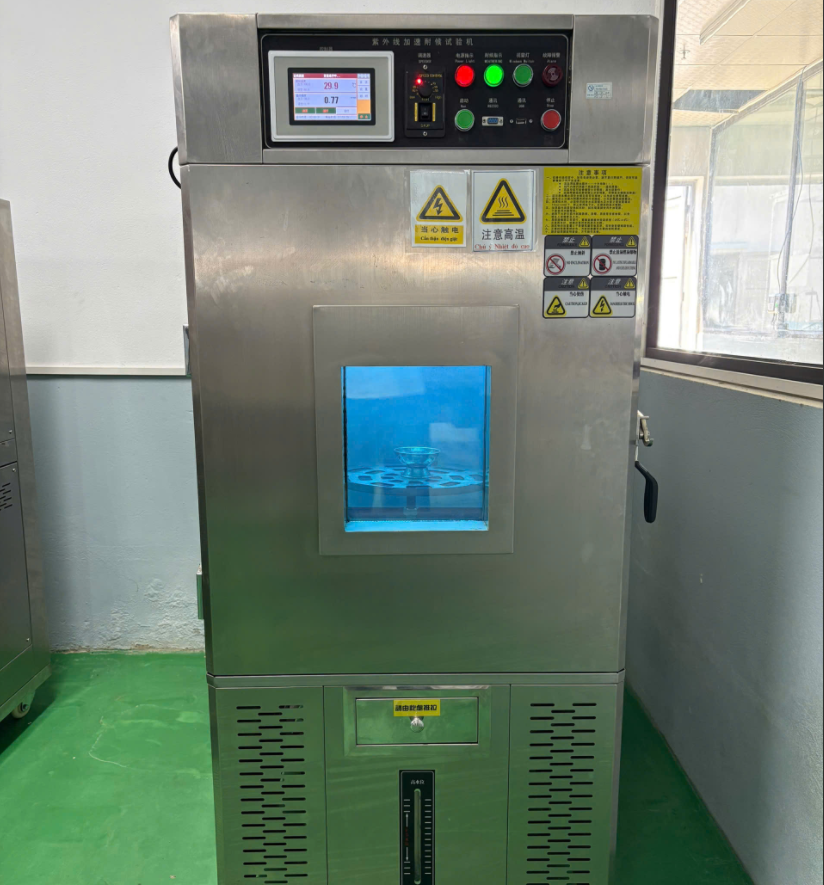
UV accelerated weathering testing evaluates how jewelry surfaces and coatings respond to prolonged exposure to ultraviolet radiation.
The purpose is to simulate the effects of sunlight and accelerate the aging process so manufacturers can evaluate the product's resistance to:
Fading
Color change
Yellowing
Surface deterioration
Peeling
Loss of gloss
This type of testing is particularly useful for PVD jewelry, plated jewelry, coatings, and other finished metal products.
Why Is UV Testing Important for Jewelry?
For jewelry intended for everyday wear and international markets, long-term color stability can be an important quality consideration.
For example, a PVD gold coating may look excellent when it is first produced, but prolonged UV exposure can potentially affect the appearance of some coatings or surface finishes.
UV accelerated weathering testing helps manufacturers assess the coating's UV resistance and color stability before mass production.
What Is PVD?
PVD stands for Physical Vapor Deposition.
PVD is a coating technology performed in a controlled high-vacuum environment. During the process, electrical and gas conditions are controlled to create the environment required for coating deposition onto the jewelry surface.
PVD coatings are widely used on 316L stainless steel jewelry because they can provide a highly durable, wear-resistant, and scratch-resistant surface finish when the coating system and production parameters are properly controlled.
For B2B buyers, combining PVD coating technology with appropriate durability and UV testing can help manufacturers evaluate the long-term appearance and performance of finished jewelry.
Comparison Table: 7 Jewelry Plating Quality Tests
| Test | What It Evaluates | Why It Matters | Common Application |
|---|---|---|---|
| Salt Spray Test | Corrosion resistance | Helps evaluate resistance to corrosive conditions | Stainless steel & plated jewelry |
| Rolling Abrasion Test | Repeated mechanical wear | Evaluates surface durability | Rings, bracelets, chains |
| Local Friction Test | Localized surface wear | Identifies high-friction areas | Moving components & links |
| Plating Hardness Test | Surface resistance | Helps evaluate scratch/mechanical resistance | Rings, bracelets, metal jewelry |
| Color Evaluation | Color consistency | Helps maintain consistent brand finishes | Gold, rose gold, silver & custom colors |
| Plating Thickness Test | Coating thickness | Verifies coating specification | Electroplating & other coatings |
| UV Accelerated Weathering Test | UV resistance & color stability | Helps evaluate fading, yellowing and surface aging | PVD, plated jewelry & coatings |
What Should B2B Buyers Ask a Jewelry Manufacturer?
Before placing a large jewelry order, consider asking your supplier:
1. What plating process do you use?
Ask whether the product uses PVD, electroplating, or another finishing process.
2. How do you test plating durability?
A professional supplier should be able to explain its jewelry quality control process.
3. Can you test plating thickness?
For products with specific coating requirements, confirm whether thickness can be measured and documented.
4. How do you control plating color?
Ask whether the factory uses controlled lighting or approved color samples to maintain consistency.
5. Do You Perform UV Accelerated Weathering Testing?
For products where long-term color stability is important, ask whether the manufacturer can perform or arrange UV accelerated aging testing.
6. Can You Provide Testing Results?
For larger projects, you may request relevant quality inspection reports or test results according to the agreed specifications.
Looking for a Jewelry Manufacturer with Professional Quality Control?
Choosing the right jewelry manufacturer is not only about price and product appearance. A reliable supplier should also have a clear jewelry plating quality control process.
At MCGA Jewelry, we focus on 316L stainless steel jewelry, brass jewelry, PVD plating, OEM/ODM manufacturing, and multiple quality-testing procedures to help brands develop durable and consistent jewelry collections.
Whether you are developing a new collection or looking for a long-term manufacturing partner, we can discuss your:
Material requirements
Plating color
PVD or electroplating requirements
Coating thickness
Surface finish
Durability expectations
Testing requirements
OEM/ODM specifications