Introduction
Stainless steel jewelry has become an important category for fashion jewelry brands seeking a balance between modern design, durability, and competitive manufacturing costs.
However, developing a successful collection requires more than choosing the right material. Jewelry designed for different customers may need different proportions, finishes, styling options, packaging, and inventory strategies.
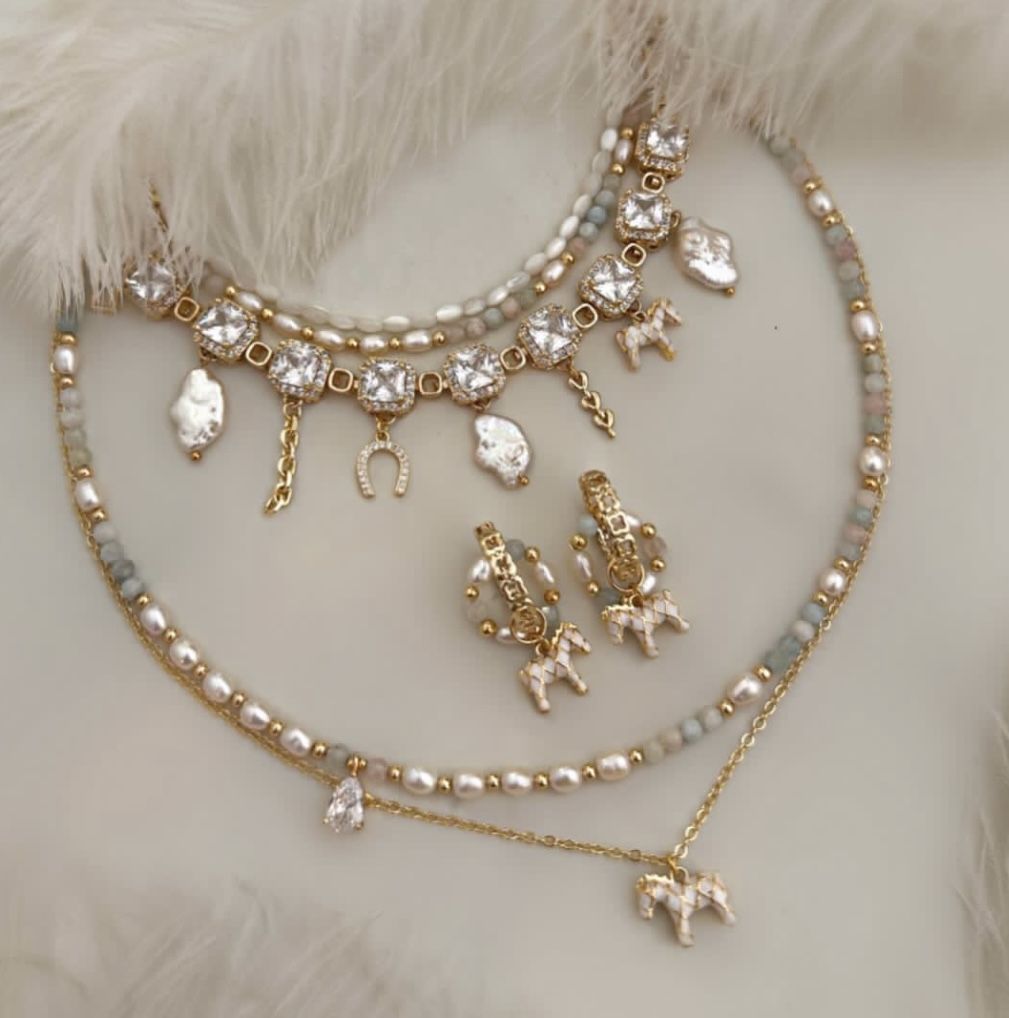
Women's collections often explore delicate chains, layered necklaces, statement earrings, and mixed-material designs. Men's collections frequently feature bold chains, signet rings, cuffs, and geometric pendants. Meanwhile, unisex jewelry is creating opportunities for brands to develop collections that appeal to a broader audience.
For B2B buyers, understanding these differences can help improve product selection, manage inventory, and develop a more competitive jewelry line.
At MCGA Jewelry, a Vietnam-based jewelry manufacturer, we support brands, retailers, wholesalers, and designers with OEM/ODM jewelry manufacturing using 316L stainless steel, brass, and 925 sterling silver.
In this guide, we explore the differences between women's and men's stainless steel jewelry, the role of PVD finishing, packaging considerations, and practical sourcing strategies for jewelry businesses.
1. What Drives Demand for Women's vs. Men's Stainless Steel Jewelry?
Understanding your target audience is an important first step in developing a jewelry collection.
Although customer preferences vary by market, price point, and brand identity, several general design patterns can help guide product development.
Women's Stainless Steel Jewelry: Versatility and Styling
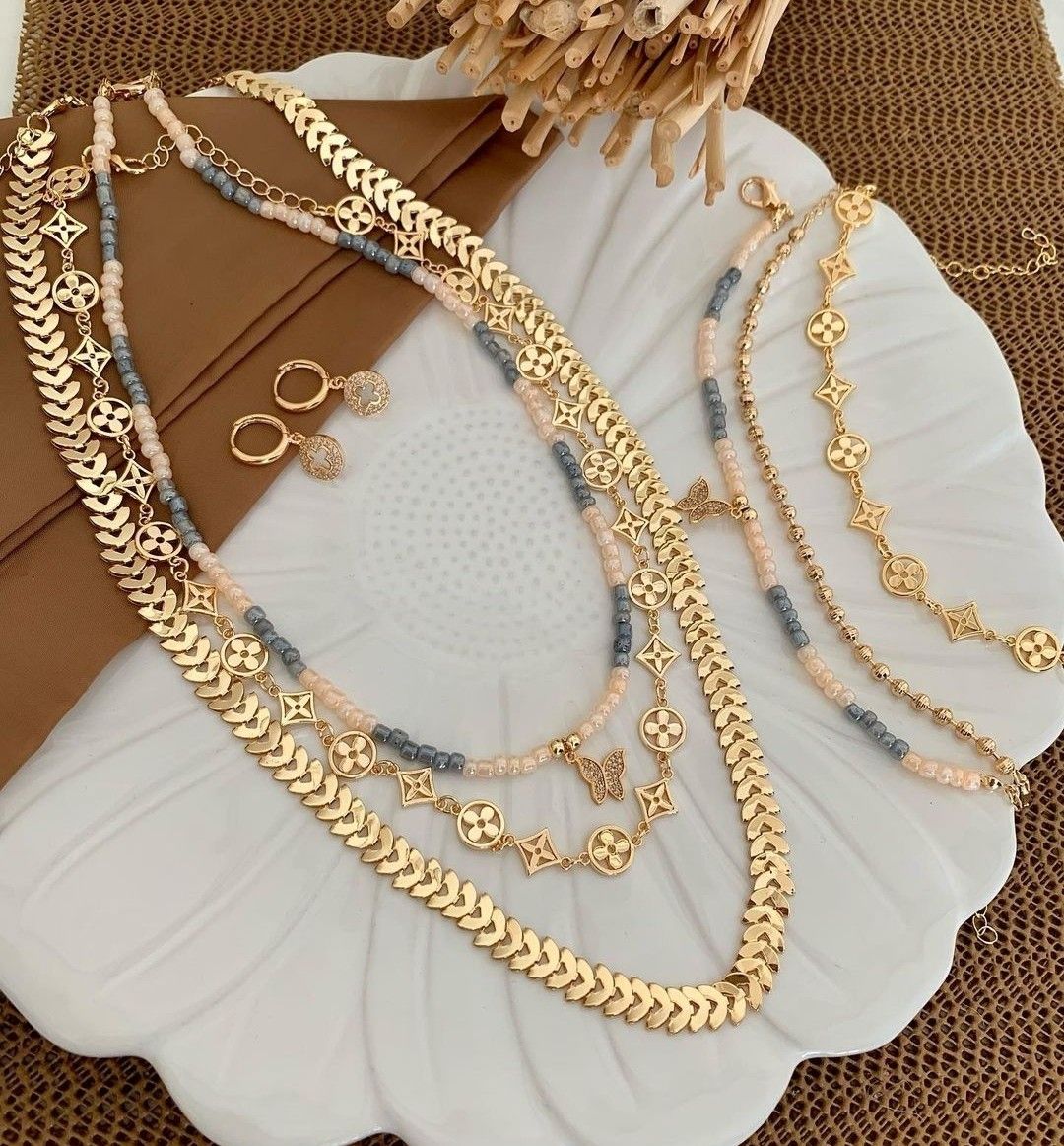
Women's jewelry collections often emphasize versatility, proportions, and the ability to combine multiple pieces.
Popular design directions include:
Minimalist necklaces and delicate chains
Layered necklaces and pendant combinations
Hoop earrings and sculptural statement designs
Adjustable bracelets and stackable rings
Gold-tone and silver-tone jewelry
Mixed-material designs featuring enamel, pearls, or decorative stones
For brands targeting everyday fashion jewelry, 316L stainless steel can provide a practical base material for designs that require consistent shapes and repeatable production.
Gold-tone PVD finishes can also help brands create different visual identities across a collection.
When developing products, manufacturers should consider chain thickness, overall weight, surface finish, and wearing comfort rather than focusing on appearance alone.
Men's Stainless Steel Jewelry: Structure and Proportion
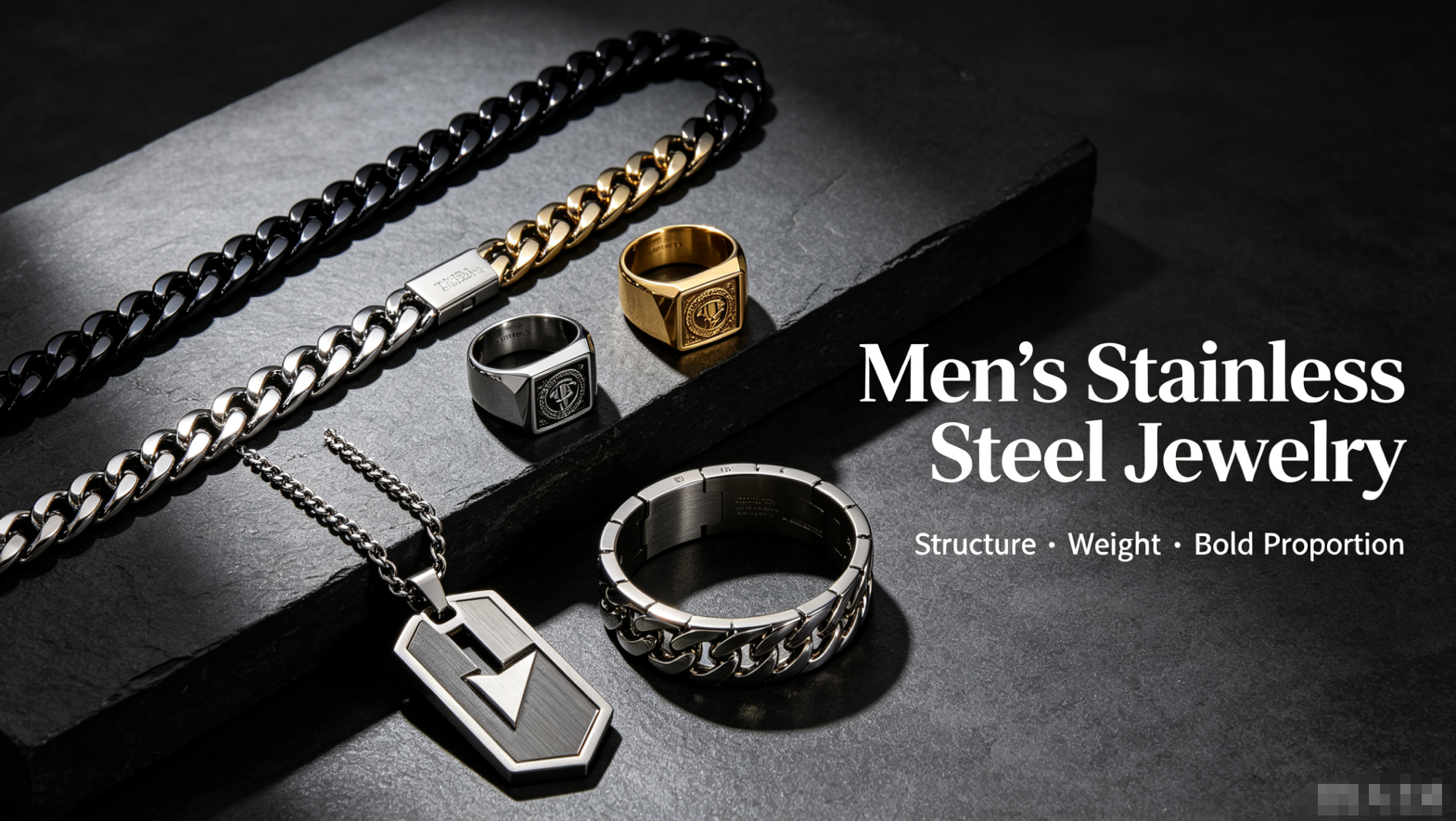
Men's collections often feature stronger geometric shapes, substantial chain links, and more prominent metal details.
Common product categories include:
Cuban, box, and other bold chain necklaces
Signet and geometric rings
Chain bracelets and cuffs
Symbolic and minimalist pendants
Matte, brushed, and polished metal finishes
Black, silver-tone, and gold-tone designs
For these products, dimensions and construction play an important role in the final appearance.
A heavier-looking bracelet may require thicker links or a carefully designed hollow structure. A signet ring may need particular attention to its proportions, internal comfort, and surface finishing.
The goal is to create a product that reflects the brand's positioning while remaining practical for everyday wear.
2. Comparing Women's and Men's Stainless Steel Jewelry
The following table provides a general reference for B2B collection planning. These are common design directions rather than fixed rules; individual brands may combine elements from both categories.
| Design factor | Women's collections | Men's collections |
|---|---|---|
| Common silhouettes | Delicate, layered, sculptural | Bold, geometric, structured |
| Chain styles | Fine chains, layering chains | Box, curb, Cuban, and thicker links |
| Popular products | Hoops, pendants, stackable rings | Signet rings, cuffs, statement chains |
| Common finishes | High polish, gold-tone, rose-gold-tone | Polished, brushed, matte, black-tone |
| Design priorities | Versatility, proportions, styling | Structure, visual weight, comfort |
| Product development | Multiple variations and coordinated sets | Core styles and coordinated accessories |
| Inventory approach | Test a range of designs and colors | Balance core styles with selected new designs |
| Packaging | Compact pouches, branded cards, boxes | Pouches, structured boxes, branded packaging |
For brands developing a collection across multiple customer groups, a consistent material and finishing strategy can help create a unified brand identity.
3. The Latest Design Directions in Women's Stainless Steel Jewelry
Minimalist and Sculptural Designs
Minimalist jewelry remains a useful direction for brands looking to create products that work across different outfits and occasions.
Smooth hoops, curved rings, organic shapes, and geometric pendants can create a refined appearance without relying on complicated decoration.
For manufacturers, the challenge is maintaining clean lines, balanced proportions, and consistent surface quality.
Some oversized designs may benefit from hollow construction or other weight-management approaches, depending on the product geometry and required strength.
Layering and Coordinated Collections
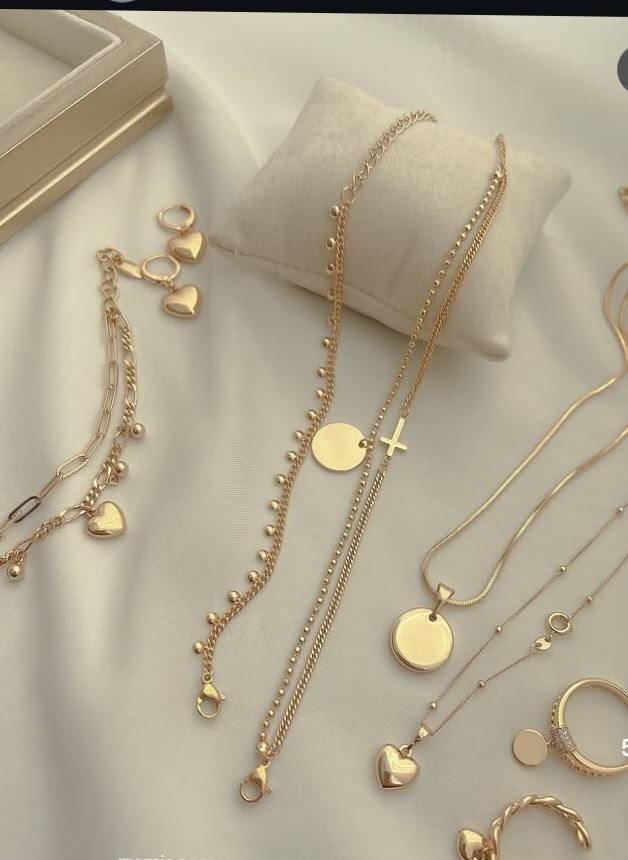
Layered necklaces and coordinated jewelry sets allow brands to offer complementary products rather than isolated items.
Manufacturers can help develop different chain lengths, pendant sizes, clasp options, and matching finishes within a collection.
This approach also creates opportunities for custom packaging and coordinated product presentation.
Mixed Materials and Color Accents
Women's stainless steel collections can incorporate decorative elements such as enamel, pearls, resin, and selected gemstones.
Combining metal with contrasting textures or colors can create a distinctive product identity.
However, each material introduces different manufacturing requirements. Brands should confirm component compatibility, attachment methods, and finishing requirements during sample development.
4. The Latest Design Directions in Men's Stainless Steel Jewelry
Bold Chains and Structured Links
Chain necklaces and bracelets are popular options for men's collections.
Different link structures create different visual effects, from clean geometric lines to bold, interlocking patterns.
When developing thicker chains, manufacturers should evaluate link dimensions, weight distribution, welding or assembly requirements, and clasp suitability.
Consistent link alignment and smooth finishing are particularly important for products with prominent metal surfaces.
Signet Rings and Geometric Designs
Signet rings, rectangular pendants, and architectural cuffs offer opportunities for branding and customization.
Possible details include engraved logos, symbolic motifs, brushed surfaces, and contrasting polished areas.
For custom projects, CAD modeling can help confirm dimensions and proportions before sampling.
Matte, Brushed, and Dark Finishes
Not every men's collection needs a mirror-polished appearance.
Brushed, satin, matte, and selected dark finishes can create a more understated or industrial visual style.
The right finish depends on the product design, target market, and brand positioning.
Manufacturers should evaluate how each surface treatment affects appearance, processing requirements, and the visibility of everyday scratches.
5. PVD Coating and Surface Finishing: What Should Buyers Consider?
Surface finishing has a major influence on the appearance of stainless steel jewelry.
The same base design can look significantly different with a polished silver-tone surface, gold-tone PVD, black-tone finishing, or a combination of textures.
Mirror Polishing vs. Brushed Finishes
Mirror polishing creates a smooth, reflective appearance that works well for minimalist rings, pendants, hoops, and other designs that emphasize clean metal surfaces.
Brushed and satin finishes create directional textures and a less reflective appearance.
When choosing a finish, consider:
The product's design and geometry
The desired visual effect
The visibility of surface marks
The target price point
The manufacturing process required
Complex shapes may require additional attention during polishing to achieve a consistent result across different surfaces.
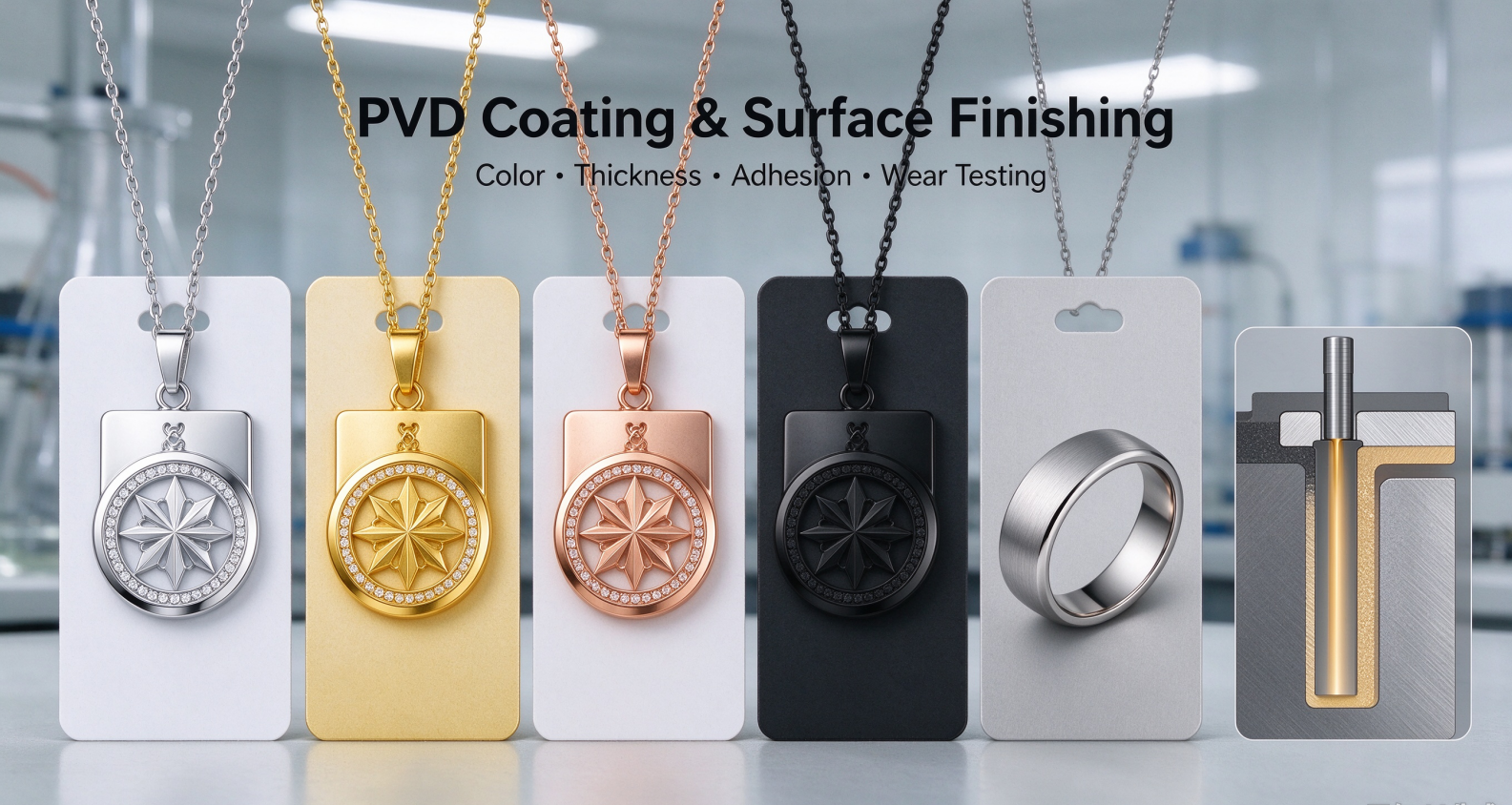
Understanding PVD Coating
PVD coating is a surface treatment commonly used to create decorative colors on stainless steel jewelry, including gold-tone and selected dark finishes.
The appropriate coating specification depends on the product, base material, intended use, and performance requirements.
Buyers should not assume that one coating thickness is suitable for every product.
Instead, discuss the following with your manufacturer:
Base material and surface preparation
Desired coating color
Specified coating thickness
Product geometry and intended use
Adhesion and wear-testing requirements
Applicable quality acceptance criteria
Rings, bracelets, necklaces, and earrings experience different patterns of contact and friction. Their finishing requirements should therefore be assessed according to the actual application.
At MCGA Jewelry, finishing options can be discussed as part of the product development and manufacturing process, helping B2B customers align surface appearance with their product specifications.
6. Unisex Stainless Steel Jewelry: An Opportunity for Brands
Jewelry collections do not always need to follow traditional gender categories.
Unisex designs can help brands develop products for customers who prefer minimalist, geometric, or statement accessories regardless of gender.
Potential product directions include:
Open cuffs and simple wire bracelets
Geometric pendants
Medium-width chain necklaces
Two-tone rings and bands
Minimalist hoops and ear accessories
Adjustable or versatile designs
From an inventory perspective, unisex products may allow some brands to consolidate overlapping product concepts.
However, a broader target audience does not automatically guarantee higher sales. Brands should evaluate customer preferences, product fit, pricing, and sales data before expanding a unisex collection.
For manufacturers, adaptable designs also require careful consideration of dimensions, adjustability, and the range of customers the product is intended to serve.
7. How Do Product Costs and Margins Differ?
The profitability of a jewelry collection depends on more than whether it targets men or women.
Material consumption, product dimensions, design complexity, finishing, assembly, packaging, order quantity, and shipping all influence the final cost.
Women's Collections: Design and Product Variety
Delicate jewelry may use less material per piece, but intricate designs can require additional assembly, detailed polishing, stone setting, or decorative components.
Brands may also need to manage more variations in chain length, color, and product design.
A broader product range can create opportunities for cross-selling, but it may also increase sampling and inventory-management costs.
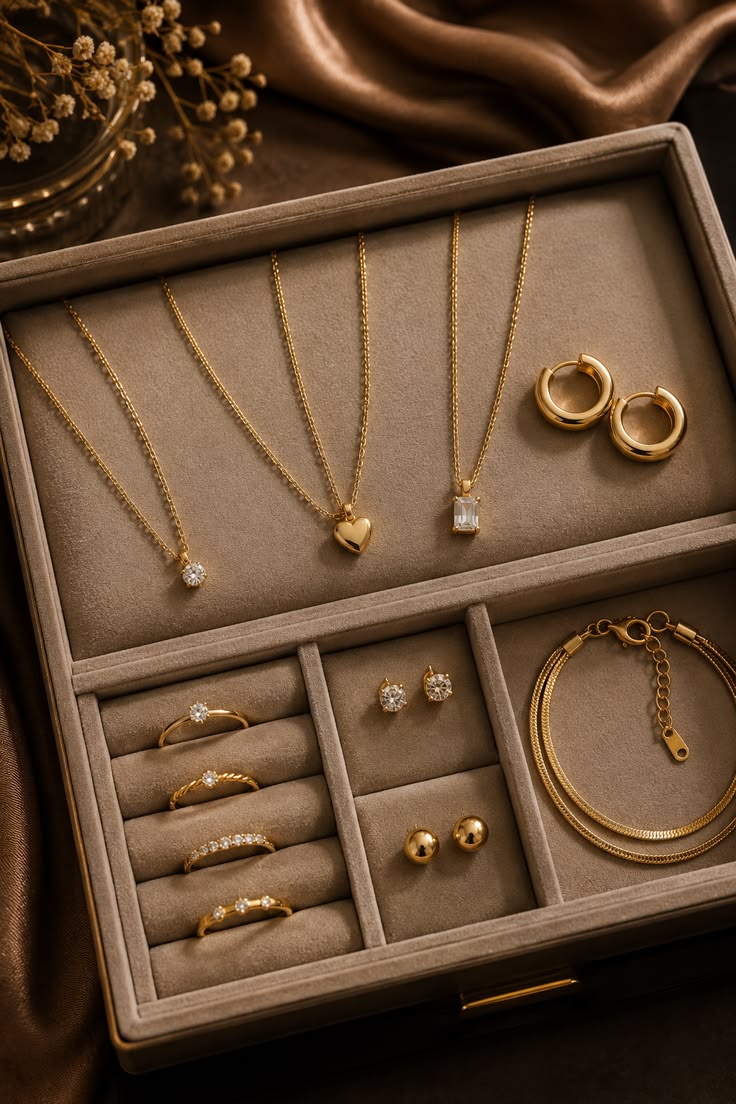
Men's Collections: Material and Structural Requirements
Some men's jewelry designs use thicker chains, larger rings, or more substantial components.
These products may require more material and different manufacturing processes, which can increase unit costs.
However, simple geometric designs may be relatively straightforward to repeat once the specifications and production methods have been established.
Actual costs depend on the design rather than gender alone.
How B2B Buyers Can Protect Profit Margins
Before confirming a production order, request a quotation that clearly identifies:
Material and component costs
Sampling and mold costs, where applicable
Surface finishing requirements
Assembly and gemstone-setting costs
Logo customization and packaging
Shipping and other applicable charges
Compare quotations using the same technical specifications.
A lower unit price does not necessarily represent better value if the materials, finishing, packaging, or quality requirements differ.
8. Choosing the Right Packaging for Different Jewelry Collections
Packaging protects jewelry during transportation and contributes to the customer's unboxing experience.
The best packaging solution depends on product weight, dimensions, brand positioning, sales channel, and shipping method.
Packaging for Delicate Jewelry
For lightweight necklaces, earrings, and bracelets, brands may consider:
Jewelry pouches
Branded jewelry cards
Compact gift boxes
Protective inserts
Retail-ready packaging
These options can help organize small components and present the product clearly.
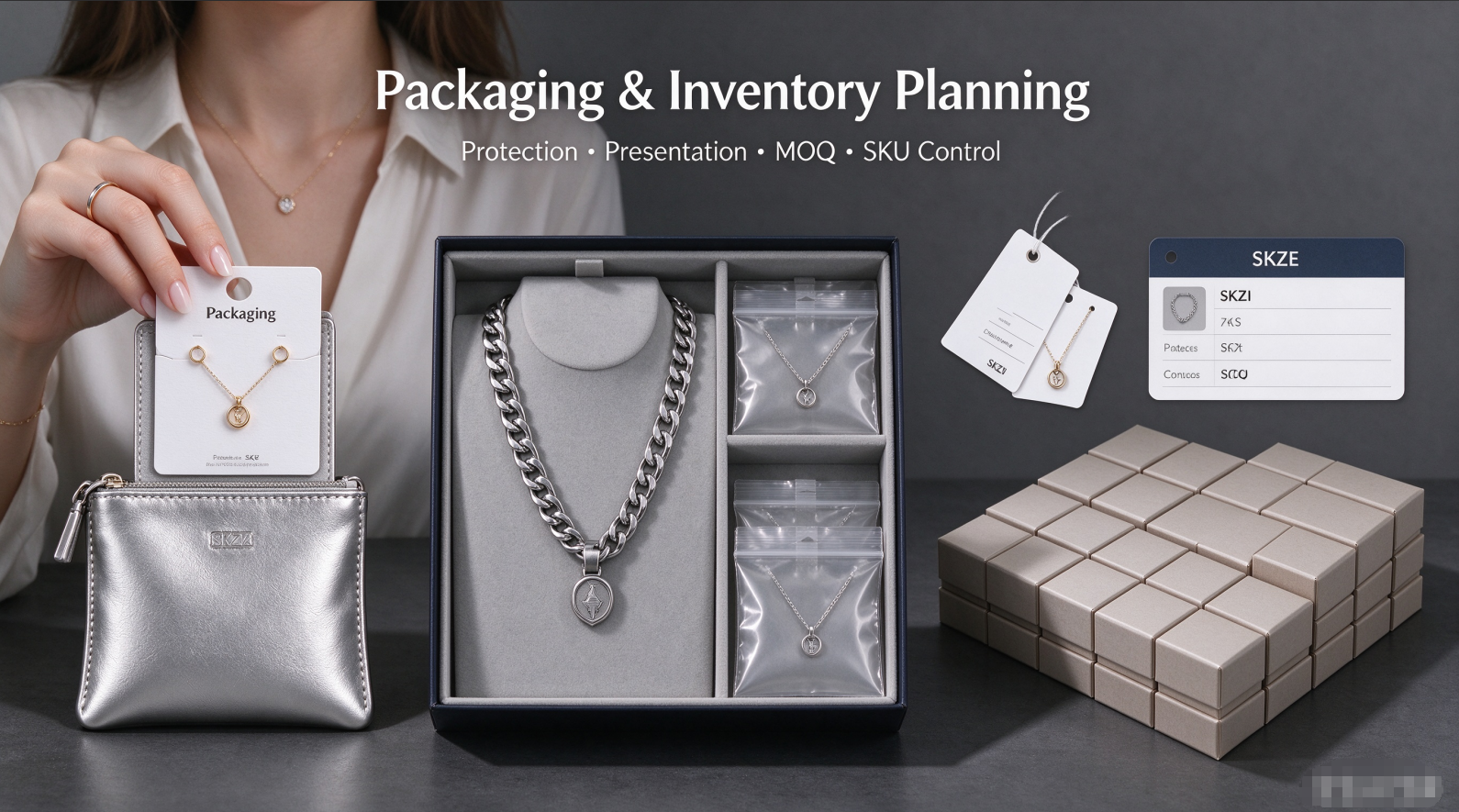
Packaging for Heavier Jewelry
For substantial chains, cuffs, and rings, packaging should provide adequate support to prevent movement and surface contact during transit.
Depending on the design, brands may consider stronger inserts, individual compartments, or structured boxes.
The packaging should be tested with the actual product rather than selected based on appearance alone.
Balancing Branding and Shipping Costs
Custom packaging can improve brand recognition, but oversized boxes may increase storage and shipping costs.
For international orders, consider packaging dimensions, protective requirements, shipping method, and the final retail presentation.
MCGA Jewelry can discuss packaging customization as part of a broader OEM/ODM jewelry project, subject to the product and packaging requirements.
9. How to Manage MOQ and SKU Planning
SKU management is an important part of jewelry sourcing.
A SKU represents a specific product variation, such as a particular design, color, or size.
For example, one necklace offered in silver-tone and gold-tone finishes may require separate inventory planning for each variation.
Start with a Focused Product Range
Rather than launching too many products at once, brands can begin with a carefully selected group of designs.
Consider testing:
A few core chain styles
A small number of signature pendants
Coordinated rings and bracelets
Selected color or finishing options
The right assortment depends on your customer base, sales channel, and available budget.
Use Sales Data to Guide Reorders
After launching a collection, track sales, returns, customer feedback, and inventory turnover.
These results can help identify which products deserve larger repeat orders and which designs need adjustment.
Avoid assuming that every new trend will perform well in your target market.
Discuss Flexible MOQ with Your Manufacturer
Minimum order quantities can vary according to material, design complexity, finishing, and production setup.
A manufacturer offering flexible MOQ options may help brands evaluate new products while managing inventory commitments.
At MCGA Jewelry, B2B buyers can discuss project-specific MOQ requirements for custom stainless steel, brass, and 925 sterling silver jewelry.
10. Material Selection and Compliance for International Buyers
Material selection should reflect product design, customer expectations, and the regulations applicable to the destination market.
Why 316L Stainless Steel Is Used in Jewelry
316L stainless steel jewelry is widely used for chains, rings, bracelets, pendants, and other fashion accessories.
Its properties make it a useful option for many everyday jewelry designs.
However, finished-product performance depends on more than the grade of stainless steel. Design, manufacturing quality, surface treatment, and actual wearing conditions also matter.
Consider Other Materials for Different Product Lines
Although stainless steel is versatile, it is not the only option for jewelry brands.
MCGA Jewelry also works with:
Brass: Suitable for a variety of fashion jewelry designs and decorative finishes.
925 sterling silver: A popular material for silver jewelry collections and designs positioned closer to traditional fine jewelry.
The right choice depends on the intended appearance, manufacturing requirements, budget, and target customers.
Verify Applicable Requirements
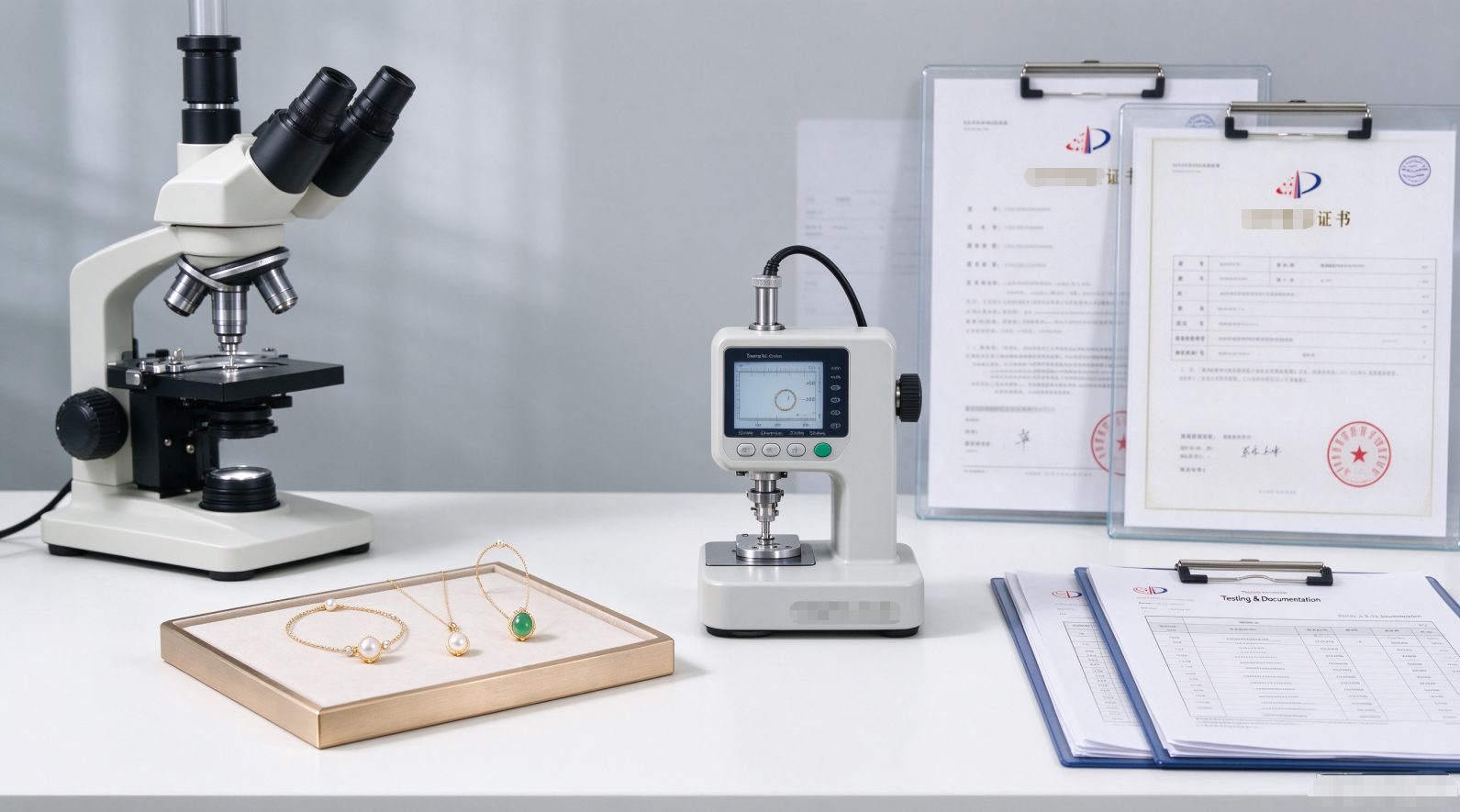
International buyers should confirm which material restrictions, chemical testing, labeling, and documentation requirements apply to their products and destination markets.
For example, REACH requirements may be relevant to certain products sold in the European Union.
Do not assume that selecting 316L stainless steel automatically guarantees compliance with every applicable regulation.
Discuss the required documentation and testing with your manufacturer before production.
11. How MCGA Jewelry Supports Custom Stainless Steel Jewelry Manufacturing
MCGA Jewelry is a Vietnam-based jewelry manufacturer supporting B2B brands, retailers, wholesalers, and independent designers.
Our OEM/ODM jewelry manufacturing capabilities help customers develop products for different market segments, design directions, and production requirements.
Multiple Material Options
We work with 316L stainless steel, brass, and 925 sterling silver, allowing customers to develop different product categories within their collections.
Custom Product Development
Depending on the project, customization can cover product dimensions, shapes, chains, logos, gemstones, surface finishes, and packaging.
Design files, reference samples, and clear technical specifications help align the product with your requirements.
Integrated Manufacturing Processes
Our manufacturing capabilities can include:
Design → Sampling → Casting → CNC Machining → Welding → Polishing → Plating/PVD → Stone Setting → Quality Control → Packaging
Not every product requires every process. The manufacturing route depends on the selected material, design, and construction.
Manufacturing in Vietnam
Our Vietnam manufacturing facility supports our jewelry production operations and B2B customer projects.
We work with customers to discuss product specifications, sampling requirements, order quantities, finishing options, and production expectations.
Whether you are developing a minimalist women's collection, a bold men's jewelry line, or a unisex range, our team can help assess the manufacturing requirements for your project.
Conclusion
Women's and men's stainless steel jewelry can share the same base material while serving very different design preferences and market needs.
Women's collections may emphasize layering, sculptural shapes, and versatile styling, while men's collections may focus on structured chains, geometric forms, and substantial proportions. Unisex designs create additional opportunities for brands to develop adaptable collections.
For B2B buyers, successful sourcing requires more than following trends. Material selection, PVD finishing, product costs, packaging, MOQ, inventory planning, and compliance all contribute to the final result.
MCGA Jewelry supports custom jewelry development and OEM/ODM manufacturing in Vietnam, working with 316L stainless steel, brass, and 925 sterling silver.
If you are planning a new jewelry collection or expanding your existing product range, 📩contact MCGA Jewelry to discuss your designs, materials, finishing requirements, and production needs.
One manufacturing partner. More possibilities for your jewelry brand.